Best Hypoallergenic Cats
The honest truth: no cat is truly hypoallergenic. But some breeds may bother allergy sufferers less — here's a realistic shortlist.
Compare quickly
7 breed picks with live size, lifespan, energy, shedding, and grooming context.
Let's be honest up front: there is no truly hypoallergenic cat. The main culprit is a protein called Fel d 1, found in cat saliva and skin glands and spread onto the coat during grooming — so every cat produces it, regardless of hair length. What varies is *how much*. Some breeds are reported to produce less Fel d 1 or shed less of it into the environment, which can make them more tolerable for some allergy sufferers. The only reliable test is spending real time with the individual cat before committing. Reactions are personal, so never assume a breed label guarantees comfort.
Visit preparation
Prepare questions about your pet
Use this reading to decide what to ask. Enter your own observations and questions in the visit tool; this list is not copied into the brief.
- 1
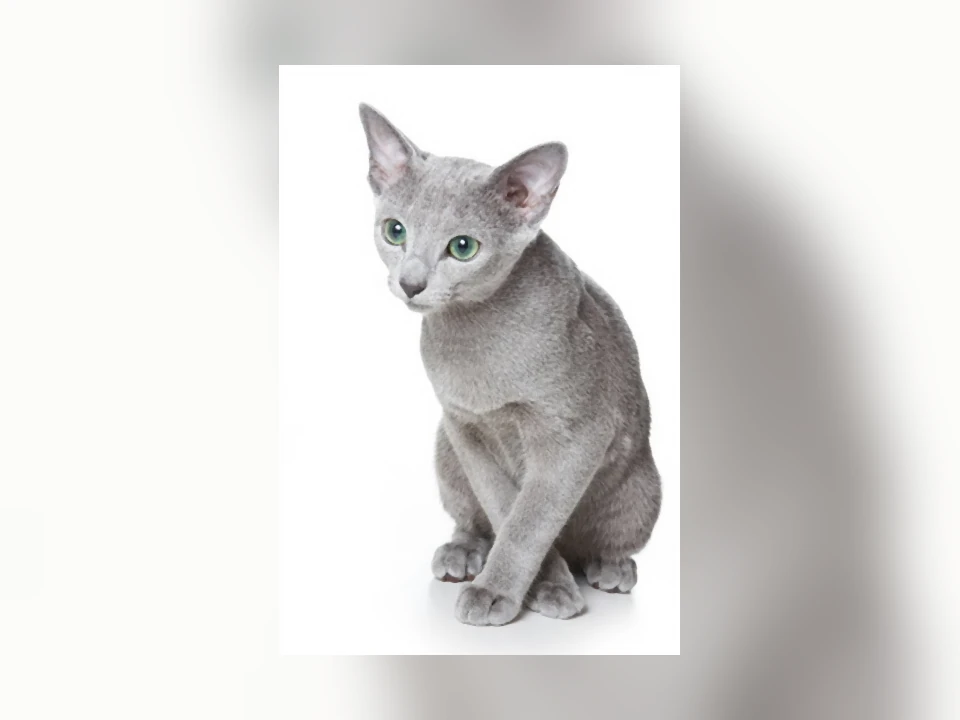
Russian Blue
Medium · 15–20 yearsWhy it makes the list: Often cited as lower in Fel d 1; its dense plush coat also traps dander — though no cat is allergen-free.
Full Russian Blue profileEnergy3/5Shedding2/5Grooming1/5 -
 2
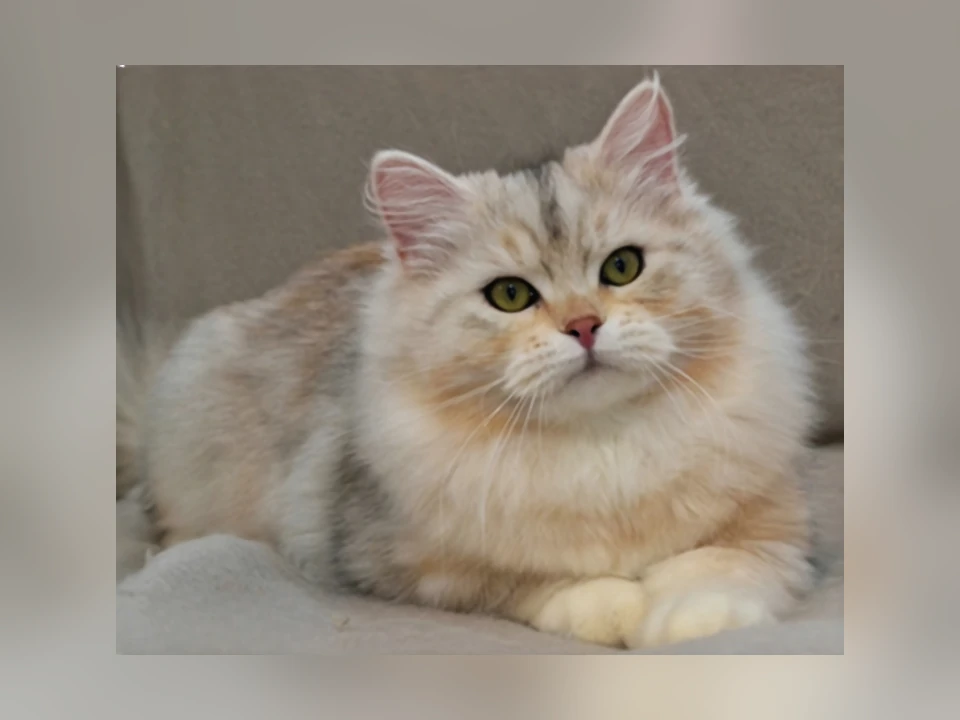
2Siberian
Large · 11–18 yearsWhy it makes the list: The classic 'allergy-friendly' cat — frequently reported to produce less Fel d 1 despite its thick triple coat.
Full Siberian profileEnergy4/5Shedding4/5Grooming3/5 -
 3
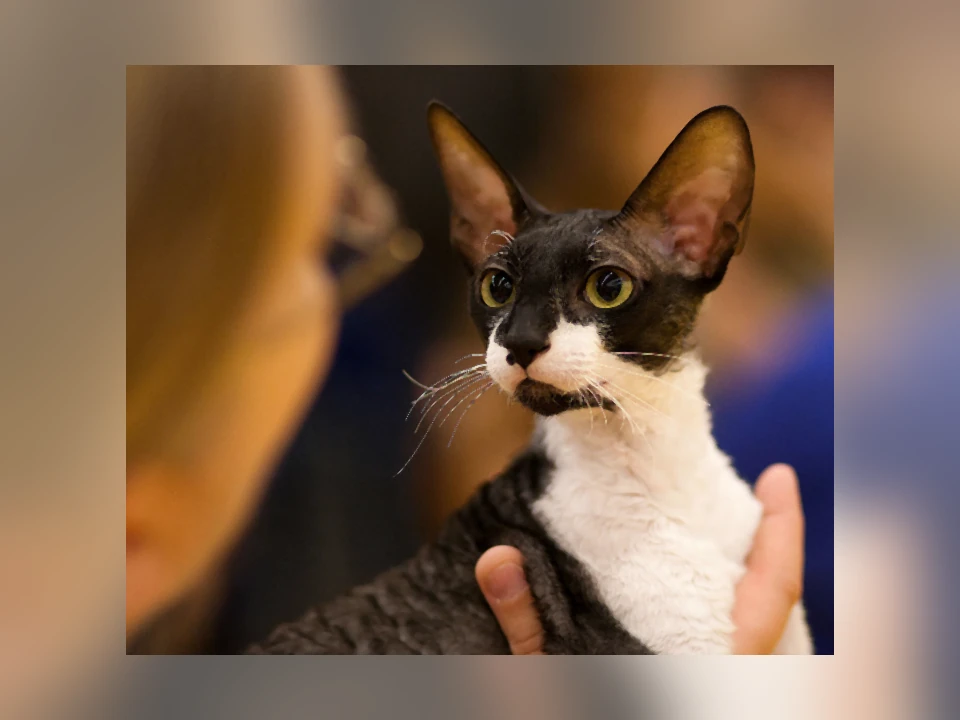
3Cornish Rex
Small-Medium · 11–15 yearsWhy it makes the list: A fine, sheds-little wavy coat means less dander spread around the home.
Full Cornish Rex profileEnergy4/5Shedding1/5Grooming2/5 -
 4
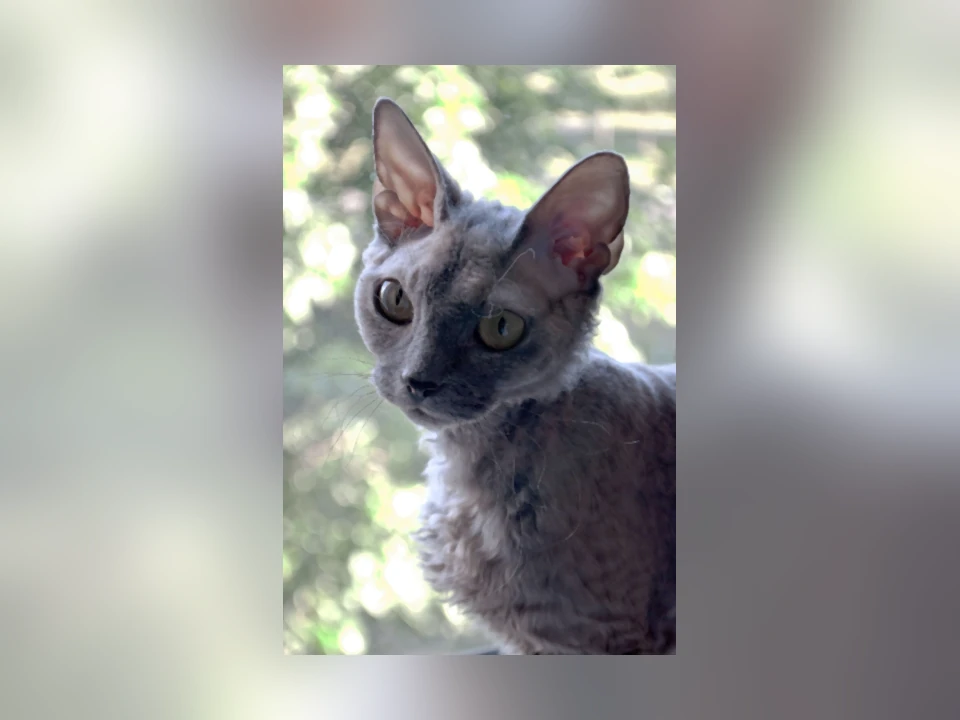
4Devon Rex
Small-Medium · 9–15 yearsWhy it makes the list: Short, sparse coat that sheds minimally; regular gentle bathing can further reduce allergens.
Full Devon Rex profileEnergy4/5Shedding1/5Grooming3/5 -
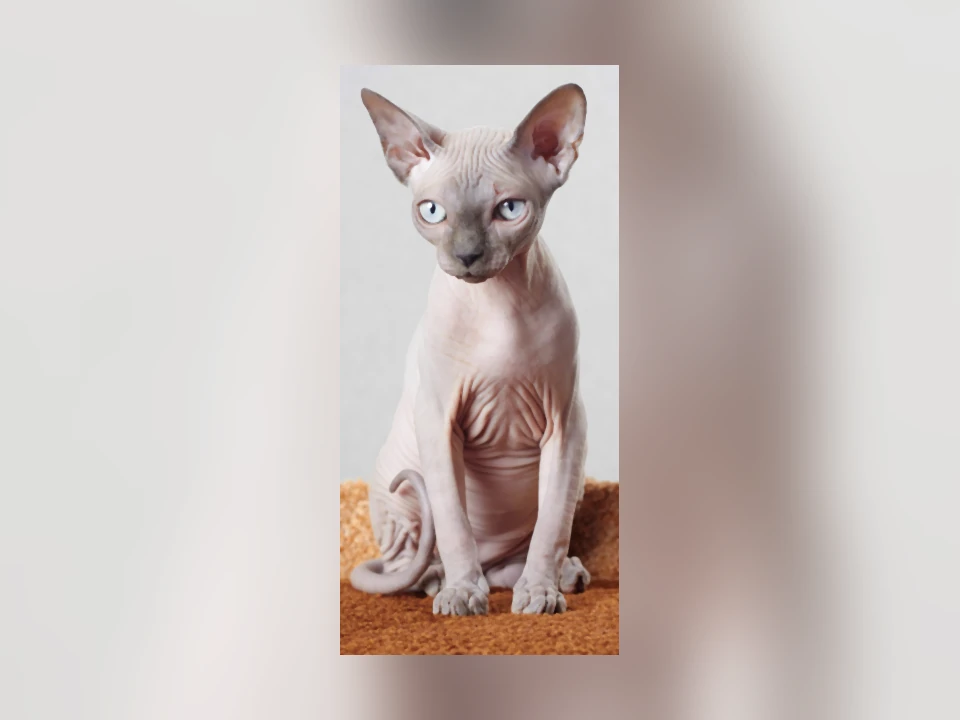 5
5Sphynx
Medium · 9–15 yearsWhy it makes the list: Hairless, so no fur to spread dander — but it still produces Fel d 1, and needs regular bathing to manage skin oils and allergen buildup.
Full Sphynx profileEnergy4/5Shedding1/5Grooming4/5 -
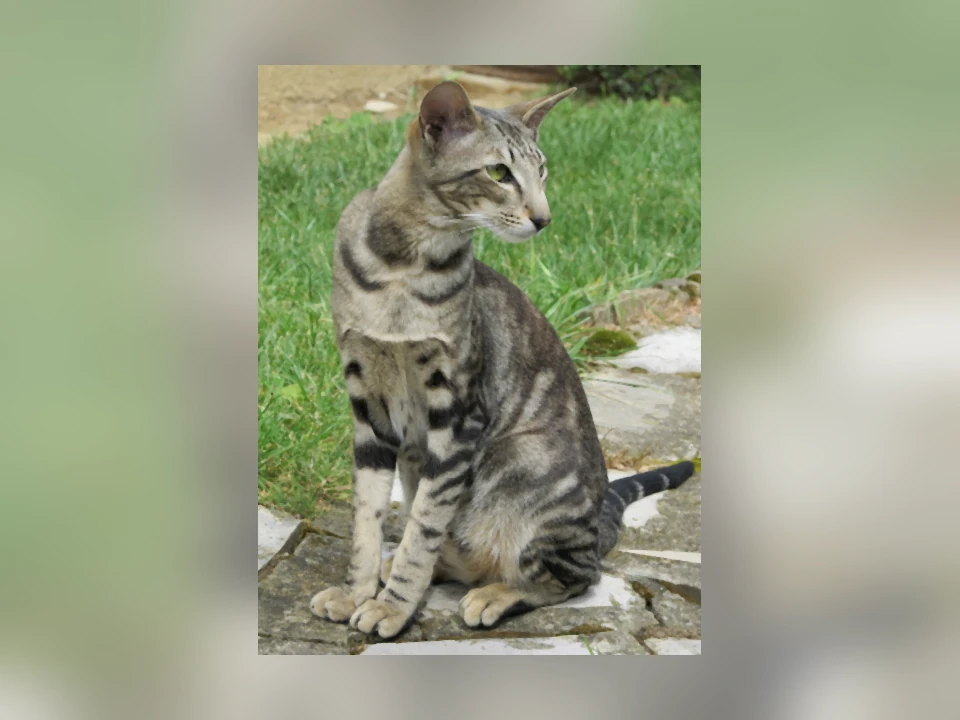 6
6Oriental Shorthair
Medium · 12–15 yearsWhy it makes the list: A fine, short, low-shedding coat that spreads less allergen than heavier-coated breeds.
Full Oriental Shorthair profileEnergy5/5Shedding2/5Grooming1/5 -
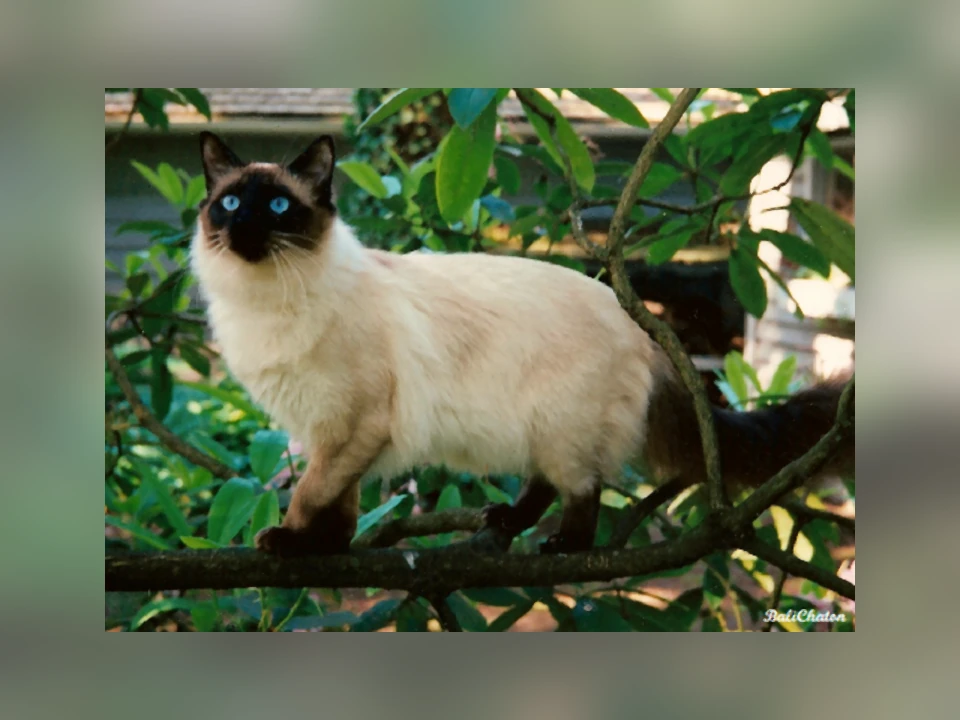 7
7Balinese
Medium · 12–16 yearsWhy it makes the list: The elegant 'long-haired Siamese' — affectionate and chatty, and often reported to produce less Fel d 1.
Full Balinese profileEnergy4/5Shedding2/5Grooming2/5
Frequently asked questions
Is there a truly hypoallergenic cat?
No. No cat breed is completely hypoallergenic. The main allergen, Fel d 1, comes from saliva and skin and ends up on the coat through grooming, so every cat produces it. Some breeds may produce or shed less, but none are allergen-free — even hairless cats trigger allergies.
Which cats are best for allergy sufferers?
Breeds often suggested for allergy sufferers include the Russian Blue, Siberian, Balinese, and the Rex and Sphynx breeds, because they may produce less Fel d 1 or shed less dander. Individual reactions vary widely, so spend time with the specific cat before deciding.
How can I reduce cat allergies at home?
Beyond choosing a lower-allergen cat, frequent cleaning and vacuuming with a HEPA filter, washing bedding, keeping the cat out of the bedroom, regular grooming or bathing, and air purifiers all help. Talk to an allergist about whether managing symptoms or immunotherapy is realistic for you.
More lists
Low-noise pet care
Get PetGrit care check-ins worth opening
New report workflows, calm checklists, and practical pet-care updates for dog and cat parents. No spam, no fear-selling. Unsubscribe anytime.
Prefer a personalized brief? Prepare a visit brief.