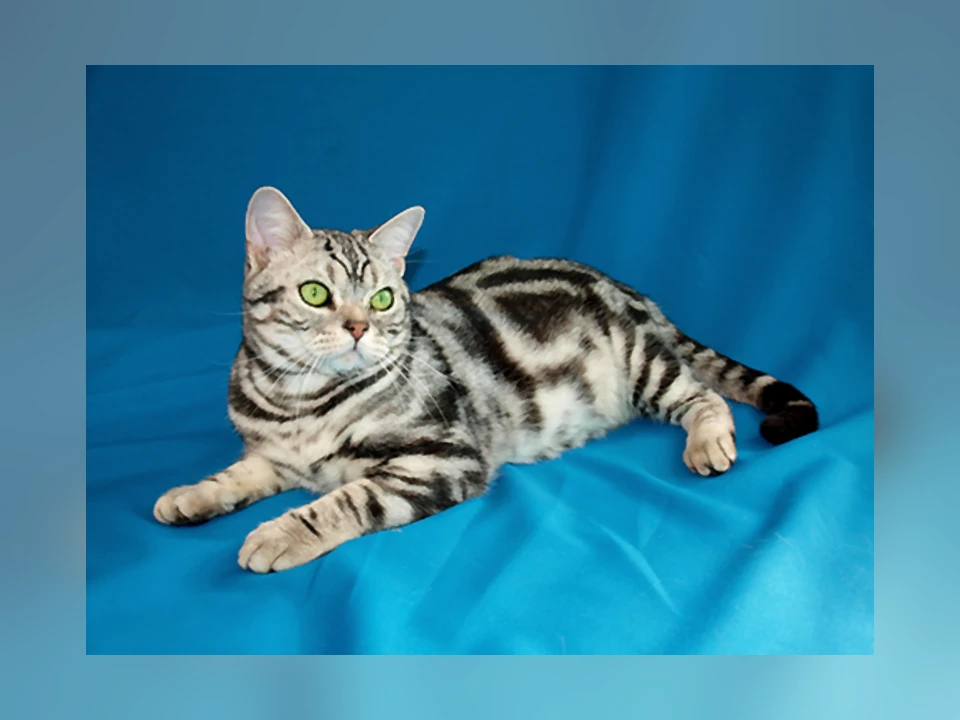
Meet the American Shorthair (the easygoing, all-American working cat)
The American Shorthair is one of the most quietly likable cats you can bring home — and one of the most misunderstood. Here’s the key thing to get straight up front: the American Shorthair is a pedigreed breed, recognized by registries like TICA and the CFA, bred to a written standard for its build, coat, and famously even temperament. That makes it genuinely different from the random-bred “domestic shorthair” — the everyday mixed-breed house cat (or moggie) that may look similar but carries no pedigree and no predictable standard.
The breed traces back to working cats that earned their keep as mousers on farms, ships, and in early American homes. That heritage shows: this is a sturdy, well-balanced, medium-to-large cat with a broad chest, full cheeks, and a dense, weather-ready coat that comes in dozens of colors and patterns (the silver tabby is the classic). They were bred for substance and stamina, not delicacy — and the result is a hardy, good-natured cat with a remarkably long average lifespan.
Personality & temperament
If you want a cat with a steady, drama-free personality, the American Shorthair is hard to beat. The breed is celebrated for being even-tempered, friendly, and adaptable — a true all-rounder rather than a high-maintenance specialist.
These cats tend to be affectionate without being clingy. They’ll happily sit near you, follow you from room to room, and enjoy a lap, but most are content to entertain themselves too. They’re moderately active and playful, especially as kittens and young adults, then settle into a more relaxed adulthood. Crucially, they’re generally good with children and other pets, which is a big reason the breed is such a popular family cat — patient, tolerant, and not easily ruffled.
They’re also on the quieter side. An American Shorthair will let you know when dinner is late, but you won’t get the constant running commentary you’d hear from a chattier breed. As always, individuals vary: some are bolder lap-seekers, others are more reserved. But as a breed, “easygoing” is the word that fits best.
Living with an American Shorthair
This is a cat that fits almost any household. American Shorthairs adapt well to apartments and houses, to busy families and quiet single homes, and to the comings and goings of daily life. They don’t demand constant attention, which makes them forgiving of work schedules — but they do thrive on routine and enrichment.
Give them outlets for their natural instincts: interactive wand play, puzzle feeders, a window perch to survey the yard, and sturdy scratching posts (vertical and horizontal) so they can stretch, mark, and keep their claws in shape. A few minutes of daily play does wonders for both body and mind.
The one habit to watch closely is the food bowl. American Shorthairs love to eat and gain weight easily, and a chunky cat is at higher risk for diabetes, joint strain, and a shorter life. Skip the always-full bowl, measure meals to your cat’s real needs, and check their shape regularly. Our guide on whether your cat is overweight walks through reading body condition and adjusting portions before a few extra ounces become a real problem.
Grooming & care
The dense, plush double coat is low-maintenance but not no-maintenance. A weekly brushing removes loose hair, keeps the coat healthy, and cuts down on the fur drifting around your home. During seasonal sheds — typically spring and fall — you’ll want to brush more often, both to manage the extra hair and to reduce how much your cat swallows while self-grooming.
That last point matters: more swallowed hair means more hairballs. Regular brushing is your best front-line defense, and our hairballs in cats guide covers when the occasional hairball is normal and when it’s worth a vet’s attention.
Round out their care with the basics every cat needs: trimmed nails, clean ears, and — easy to overlook — dental care. Dental disease is one of the most common problems vets find in cats by middle age, and it’s often painful and hidden. Brushing your cat’s teeth even a few times a week makes a real difference; see our cat dental care guide to get started.
Health
The honest picture is a good one: the American Shorthair is a generally robust, long-lived breed, with many cats reaching their mid-to-late teens and some living to around 20. Their working-cat heritage and broad gene pool help. But “generally healthy” is not “trouble-free,” and a few conditions deserve your attention.
The main ones to know:
- Hypertrophic cardiomyopathy (HCM) — the most common heart disease in cats, in which the heart muscle thickens. It can be present without obvious signs, which is why responsible breeders screen their breeding cats and your veterinarian may recommend monitoring.
- Obesity — the breed’s love of food makes weight gain a real and preventable risk, and it amplifies nearly every other health problem.
- Dental disease — common across all cats; brushing and regular checkups keep it in check.
- Polycystic kidney disease (PKD) — an inherited condition seen in some lines, where cysts form in the kidneys. There’s a reliable DNA test, so reputable breeders screen for it.
The thread running through all of this: buy from breeders who screen. A responsible American Shorthair breeder DNA-tests for PKD, screens breeding cats for HCM, and is happy to show you the results — never skip that conversation. If you’d rather adopt, plenty of American Shorthair–type cats need homes through shelters and breed rescues, where a good organization can describe a specific cat’s health and personality. Either way, the foundation stays the same: spay or neuter, keep vaccines and parasite control current, and book annual checkups (with senior bloodwork after about age seven), as authorities like the Cornell Feline Health Center and the Merck Veterinary Manual advise.
Is an American Shorthair right for you?
For most people, the answer is an easy yes. The American Shorthair is a low-drama, friendly family cat that suits almost any household — families with kids, multi-pet homes, first-time owners, apartment dwellers, and busy professionals alike. It asks for little beyond good food (in the right amounts), a weekly brush, some daily play, and routine veterinary care.
Who might want to look elsewhere? If you’re after a cat with relentless energy, intense interactive demands, or a constant vocal presence, a more high-strung breed will suit you better. And if you can’t commit to portion control, this food-loving breed’s waistline will let you know.
But if what you want is a sturdy, even-tempered, affectionate companion that gets along with everyone and tends to stick around for a long, healthy life — the all-American working cat has earned its reputation many times over.