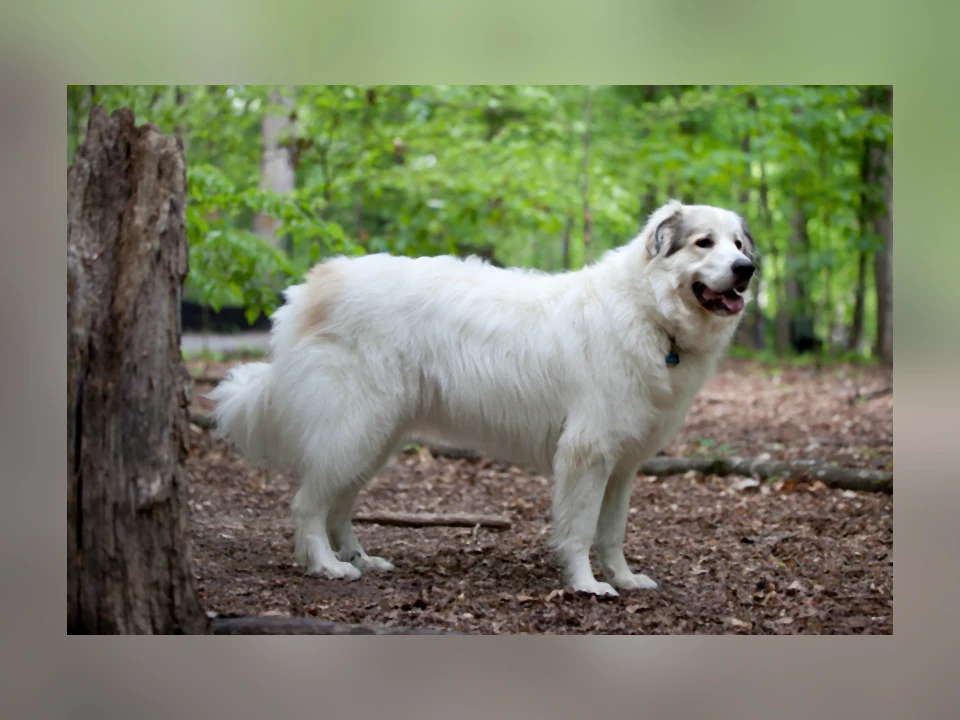
Meet the Great Pyrenees (calm, independent livestock-guardian giant)
For centuries the Great Pyrenees has stood watch over flocks in the mountains between France and Spain, a massive white dog bred to live among sheep and fend off wolves and bears on its own. That heritage as a livestock guardian, not a herder or a retriever, explains nearly everything about the breed: its calm steadiness, its fierce devotion, its independent mind, and its booming nighttime bark.
What draws people to the Pyr is its serene, gentle majesty. A good one is a patient, affectionate guardian that watches over its family with quiet confidence. But that same independence makes it a very different kind of dog from the eager, biddable breeds most owners expect, and it is worth understanding before you commit.
Personality & temperament
Great Pyrenees are typically calm, devoted, watchful, and patient, with a gentle steadiness that belies their size. Bred to guard, they are naturally protective and reserved with strangers while affectionate with their family, and many are notably tolerant of children and other animals, especially the livestock they were made to protect.
The defining trait, though, is independence. This is a dog bred to work alone at night and make its own decisions without waiting for a handler. That makes the Pyr intelligent but stubborn and not reliably obedient. Training takes patience, consistency, and positive methods, and even then off-leash reliability is rarely achievable. Two instincts come with the territory: barking, which they do readily and persistently, especially at night, and roaming, a strong urge to patrol that makes a secure fence non-negotiable.
Living with a Great Pyrenees
Despite their size, exercise needs are moderate. A couple of daily walks and room to patrol usually satisfy an adult Pyr, which tends toward a calm, low-key indoor presence. What they truly need is space and security: a large, well-fenced yard at minimum, and ideally a rural or semi-rural setting where their barking and roaming cause fewer problems. They are poorly suited to apartment life.
Two daily realities stand out. First, the barking: a Pyr left outside at night will often bark for hours at real or imagined threats, which can strain relations with close neighbors. Bringing the dog indoors at night and providing companionship helps. Second, the shedding: that thick white double coat sheds heavily year-round and blows out dramatically in seasonal coat changes, leaving hair everywhere. Plan also for the costs of scale, since food, beds, crates, and veterinary care all run large.
Grooming & care
The coat is more manageable than it looks but still a real commitment. Weekly brushing keeps the weather-resistant double coat from matting, with much more frequent brushing during heavy seasonal sheds. The coat is naturally somewhat dirt- and tangle-resistant, so the Pyr does not need constant clipping, but never shave it, since that coat insulates against both cold and heat. Keep up with nail trims (long nails strain a heavy dog’s gait), routine ear checks, and dental care, and remember to check between the toes, where the breed’s distinctive double dewclaws sit.
Health
As a giant breed, the Great Pyrenees carries the health profile that comes with great size. Hip and elbow dysplasia are common, so insist on OFA clearances on both parents and keep your dog lean. Bloat, or gastric dilatation-volvulus (GDV), is a life-threatening emergency in large, deep-chested dogs; learn the warning signs, such as a distended belly, restlessness, and unproductive retching, and ask your vet about a prophylactic gastropexy. Patellar luxation occurs in the breed, and like many giants the Pyr has an elevated risk of osteosarcoma (bone cancer), so report persistent lameness or limb swelling promptly. Fast-growing puppies may show panosteitis (“growing pains”), best managed with a proper large-breed puppy diet rather than overfeeding. As a giant, the breed also needs careful attention to anesthesia and drug dosing, so use a veterinarian experienced with large dogs. As the Merck Veterinary Manual notes, knowing a dog’s hereditary risks lets your vet screen proactively, so choose a breeder who health-tests both parents.
Is a Great Pyrenees right for you?
A Great Pyrenees can be a magnificent, devoted guardian, calm, gentle, and steadfast, for the owner who understands what the breed truly is. But it is not a conventional pet. You need secure space, tolerance for heavy shedding and persistent barking, patience with an independent dog that will never be off-leash reliable, and the budget for giant-breed care. If you can meet it on its own terms, ideally in a rural or large-property home and starting with a responsible breeder or breed rescue, the Pyr rewards you with quiet, watchful, lean-into-you devotion. If you want an obedient, low-shedding apartment companion, this is not your dog.