Origins
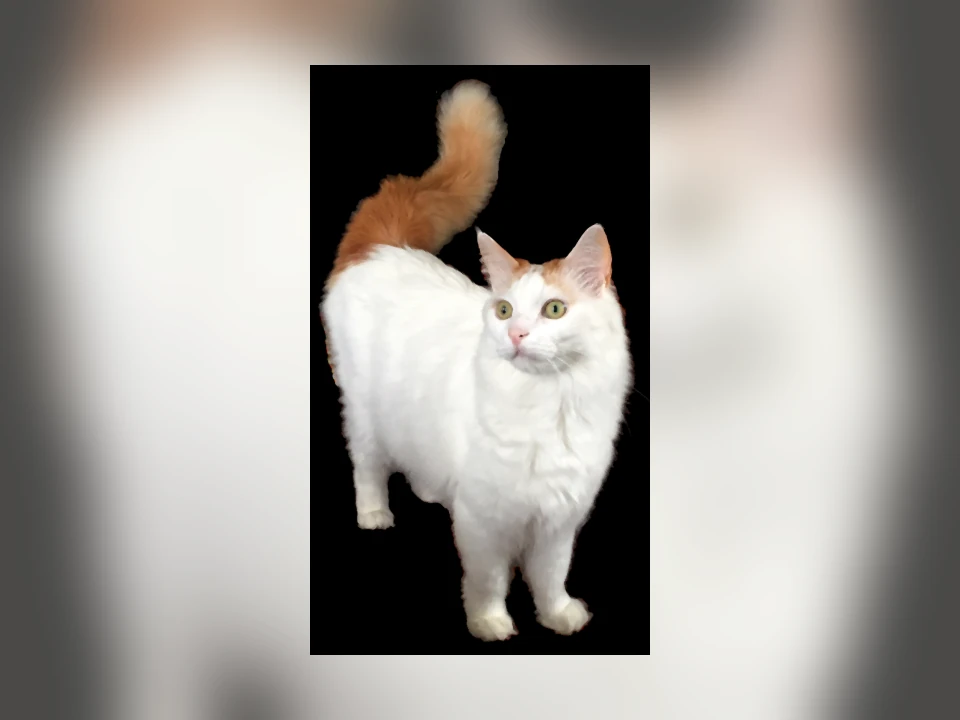
The Turkish Van is an old natural breed from the rugged Lake Van region of eastern Turkey, where its distinctive markings, color on the head and tail with a chalk-white body, earned the “Van pattern” its name. These weren’t laboratory-built cats; they developed over centuries in a harsh mountain climate, which shows in their sturdy build, broad chest, and powerful hindquarters. The breed was introduced to the West in the mid-20th century and is recognized today by both CFA and TICA as a natural breed.
Personality and daily life
Vans are smart, busy, and physical. Expect a cat that climbs to the highest shelf, opens cabinets, carries toys around, and invents games. Many will fetch. They bond strongly with their people and like to be involved in whatever you’re doing, but they tend to express affection through proximity and play rather than long lap sessions. They’re talkative without being shrill, and they keep their kitten-like energy well into adulthood.
The famous water habit is real for many individuals: paws in the water bowl, joining you at the bathroom sink, even wading. It’s charming, but it varies, never assume your Van will swim, and never put a cat in water against its will.
Exercise and training
This is a breed that genuinely needs an outlet. Tall cat trees, wall shelves, puzzle feeders, and daily interactive play (wand toys, fetch) keep a Van satisfied and out of trouble. Bored Vans redirect that energy into your countertops and curtains. Their intelligence makes them easy to teach tricks, recall, and leash-walking if introduced patiently.
Grooming
A real bright spot. The semi-long coat is single, with no dense woolly undercoat, so it rarely mats and feels like cashmere. A weekly comb keeps it tidy, with extra attention during spring and fall shedding. Routine nail trims, dental care, and ear checks round out the basics.
Health
Vans are generally robust, but a few items deserve attention. Hypertrophic cardiomyopathy (HCM), the most common heart disease in cats, is the priority; responsible breeders screen breeding cats with echocardiograms, and the condition can be silent until advanced. Being a larger, athletic breed, hip dysplasia and patellar luxation (kneecap instability) are also reported and can affect mobility. Keeping your Van lean protects its joints and heart alike. Ask any breeder for documented screening results, and keep up with annual vet exams.
Who they’re best for
The Turkish Van suits an active, engaged owner who wants a clever, interactive companion and can provide vertical space and daily stimulation. They’re a poor match for someone seeking a quiet lap cat or a home that can’t tolerate an athletic problem-solver. Give a Van a job and a jungle gym, and you’ll have a devoted, endlessly entertaining family member.