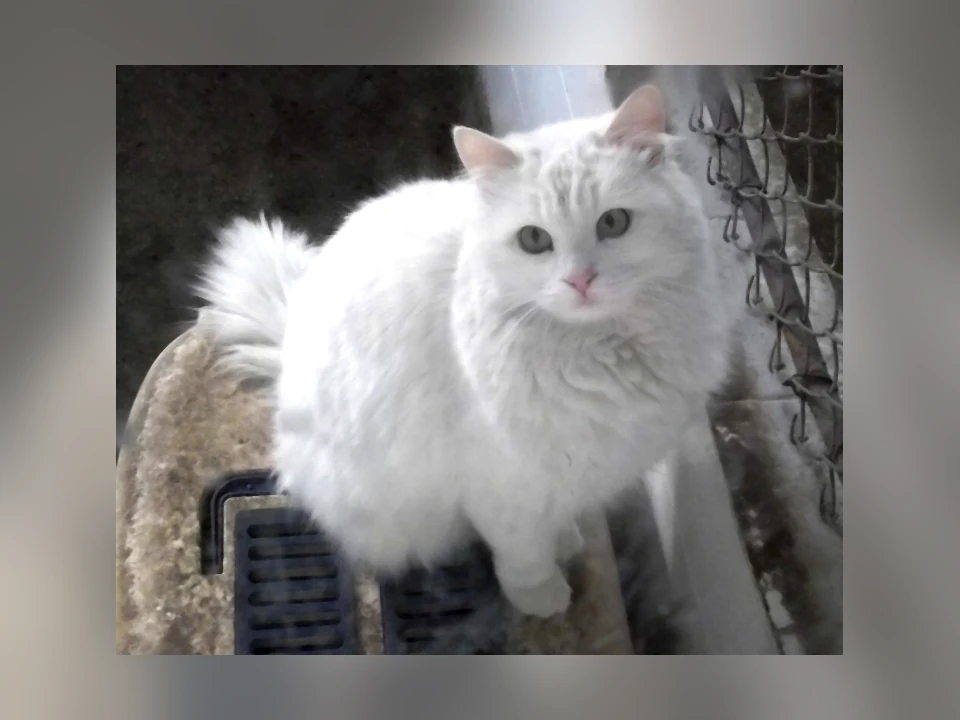
Meet the Turkish Angora (the ancient elegant athlete)
The Turkish Angora is one of the oldest natural cat breeds, originating in the Ankara (historically Angora) region of Turkey. It’s a national treasure there — the famous all-white, sometimes odd-eyed Angoras of the Ankara Zoo breeding program helped preserve the breed in the 20th century. Elegant and finely built, the Angora has a long, lithe body, a graceful plumed tail, and a fine, silky medium-long coat that shimmers when it moves. Crucially, that coat is a single coat with no woolly undercoat, which is why an Angora looks luxurious without the heavy matting of a Persian.
White is the breed’s iconic color, but Angoras come in a wide range of colors and patterns. The look says “refined and delicate.” The personality says otherwise.
Personality & temperament
Angoras are athletic, intelligent, and gloriously bossy. Many quietly (or not so quietly) appoint themselves household manager — supervising your activities, opening things they shouldn’t, and inserting themselves into the center of family life. They’re energetic and stay playful well into old age, with a real fondness for climbing, leaping, and games. At the same time they’re genuinely affectionate and people-oriented, often bonding strongly and choosing favorite humans to shadow.
This is not a placid lap cat. An Angora is a doer: curious, interactive, and assertive enough that it can dominate shyer pets. Channel that intelligence with play and challenge, and you get a delightful, engaged companion; leave it bored and under-exercised, and it will find its own entertainment.
Living with a Turkish Angora
Plan vertically and interactively. Tall cat trees, shelves, and window perches satisfy the climbing drive; daily play, puzzle feeders, and even fetch or harness training engage the busy mind. Angoras are social and don’t love being alone all day — a compatible companion animal helps in homes that are out a lot. They generally do well with respectful older children, other cats, and cat-savvy dogs, though their assertiveness means introductions to timid pets should be handled with care.
They’re moderately chatty — communicative and willing to tell you their opinions, but not relentlessly loud.
Grooming & care
The silky single coat is more forgiving than it looks. Comb it once or twice a week to keep it sleek and tangle-free and to manage the moderate shedding; step it up a little during seasonal sheds. Because there’s no dense undercoat, serious matting is uncommon when you keep up a light routine. Add nail trims, ear checks, fresh water, and a regular tooth-brushing habit — see our cat dental care guide.
Health
The Turkish Angora is generally healthy and often long-lived, but it has two notable breed-specific concerns alongside the usual feline ones:
- Congenital deafness — linked to the dominant white gene with blue eyes, not to the breed at large. White, blue-eyed or odd-eyed Angoras have a higher risk of inherited deafness, sometimes unilateral. Responsible breeders BAER-test their white cats. A deaf cat thrives as an indoor-only pet with a few simple accommodations.
- Hereditary ataxia — a rare but documented inherited neurological condition; affected kittens show tremors and poor coordination and usually do not survive. Careful breeding aims to avoid producing it.
- Hypertrophic cardiomyopathy (HCM) — the most common feline heart disease, reported in the breed; ask your vet about periodic cardiac screening, especially as the cat ages.
- Periodontal disease — common across cats and preventable with routine dental care.
Per the Cornell Feline Health Center and Merck Veterinary Manual, BAER testing for deafness and cardiac screening for HCM are the most useful safeguards. Choose a breeder who tests and is transparent, or adopt and keep up with routine vet care.
Is a Turkish Angora right for you?
The Angora is a superb match for an interactive household that wants an elegant, athletic, take-charge cat with real personality — someone who’ll play, climb, supervise, and stay affectionately involved for years. Give it vertical space, daily engagement, and ideally company, and you’ll have a beautiful, lively, deeply characterful companion.
It’s the wrong cat for anyone hoping for a calm, independent lap warmer, for a home with no room to climb or time to interact, or for a household with timid pets that a confident Angora might overrun.