Best Cats for First-Time Owners — Bombay, Selkirk Rex & More (Scored)
Friendly, forgiving, and not too fussy. Here are the breeds that make a first kitten — or first cat — easiest to get right. (Spoiler: an adult shelter cat often beats any kitten.)
How we built it
A composite 'beginner fit' score computed from PetGrit's 1–5 trait ratings, weighted toward friendliness and easy grooming. The exact formula is shown in the breakdown above the list — nothing is hand-picked.
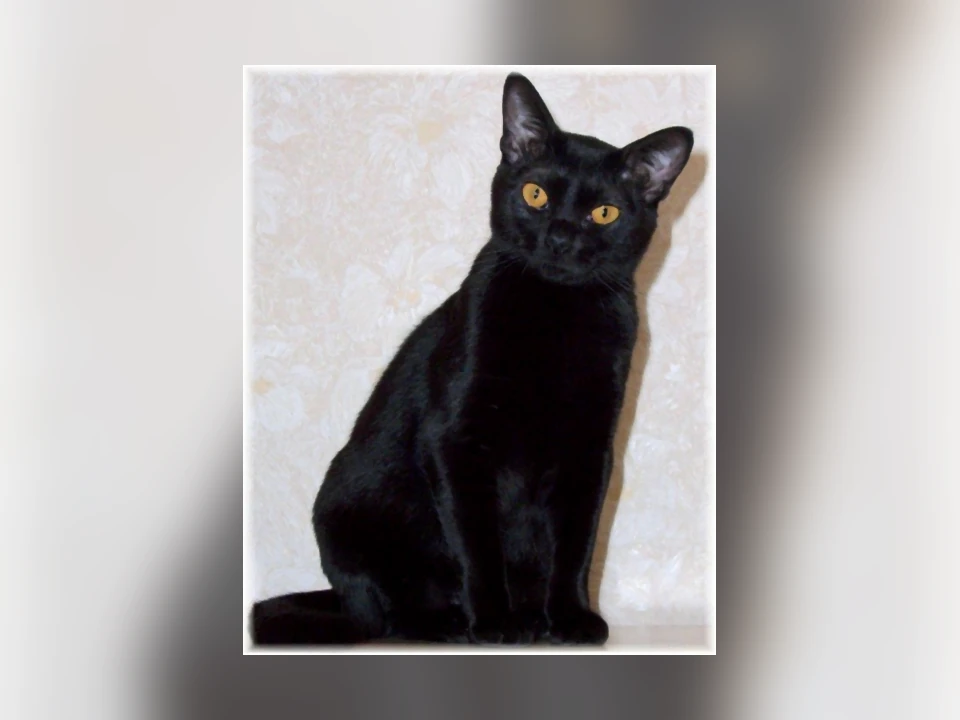
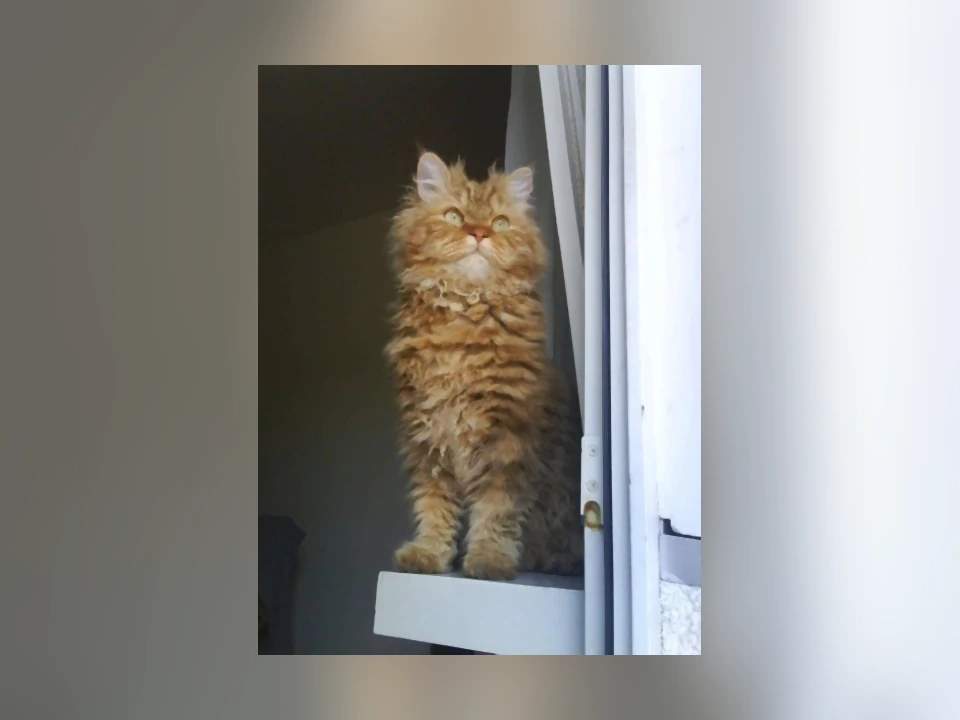
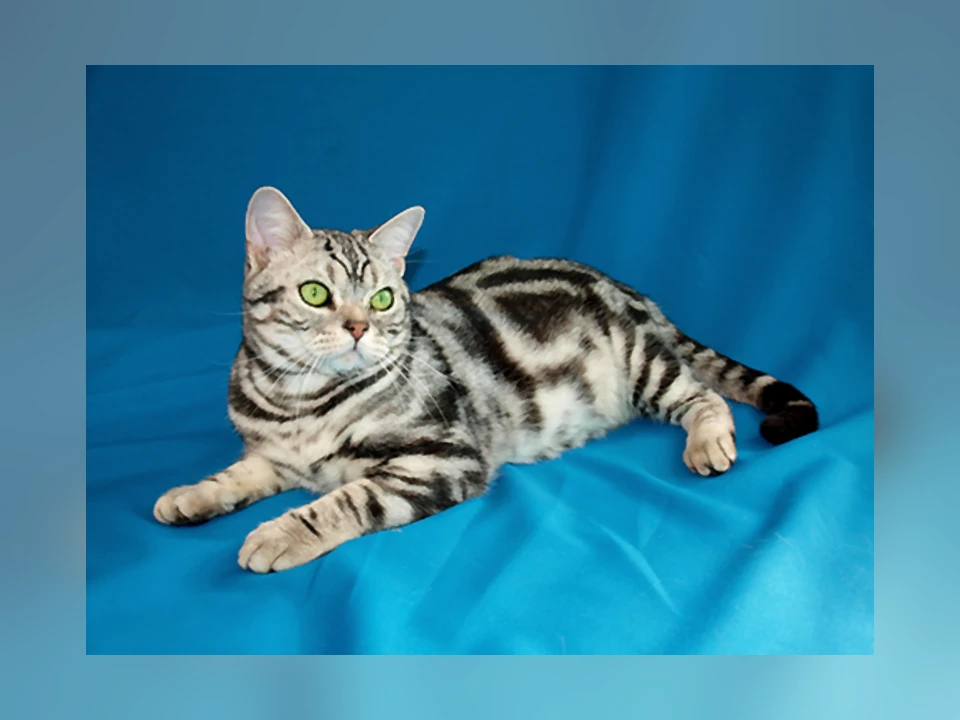
A beginner-friendly cat isn't just any cat — it's one that's affectionate without being demanding, has a coat you can maintain, and forgives you when you're still learning. This is a transparent fit score, computed live from our breed dataset: we blend friendliness (weighted highest), grooming ease, calm temperament, and quietness, with a bonus for breeds tagged as naturally beginner-friendly. The result puts easygoing, social breeds like the Bombay — a friendly, compact 'mini-panther' — the Selkirk Rex, and the American Shorthair at the top. These cats bond with their owners without constant attention-seeking and adapt well to a first-time household. But there's an honest shortcut worth knowing before you choose a kitten.
Visit preparation
Bring your questions to the next visit
Add your own observations and questions in the visit tool. Rankings are not copied into the brief or used as a clinical assessment.
How the fit score works
Each breed's fit % is a transparent, weighted blend of our 1–5 trait ratings — no hidden editorial thumb on the scale. The weightings:
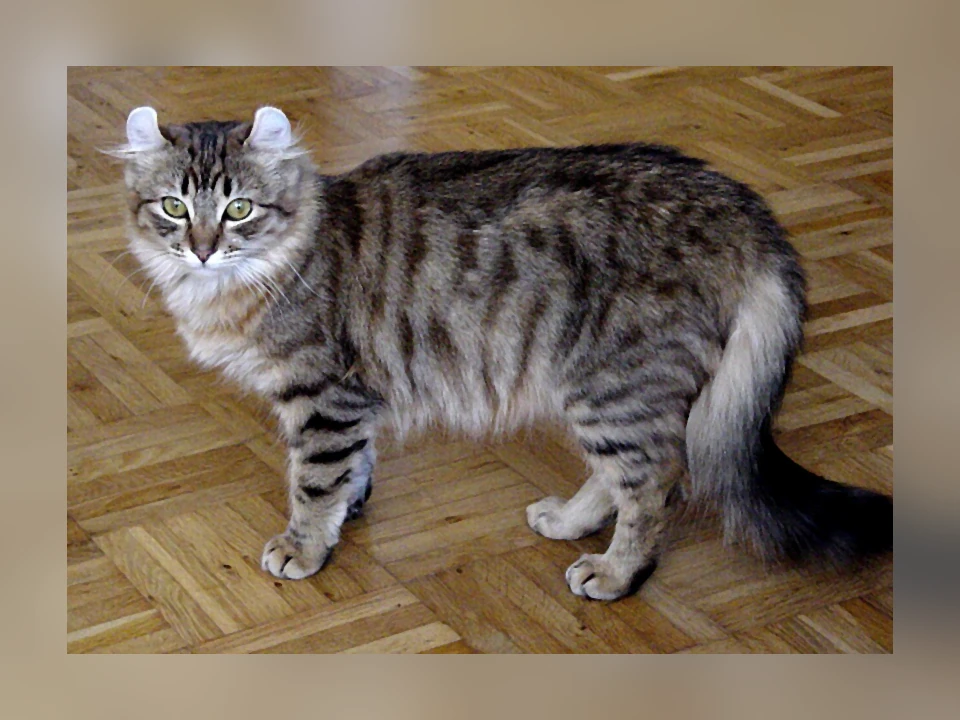
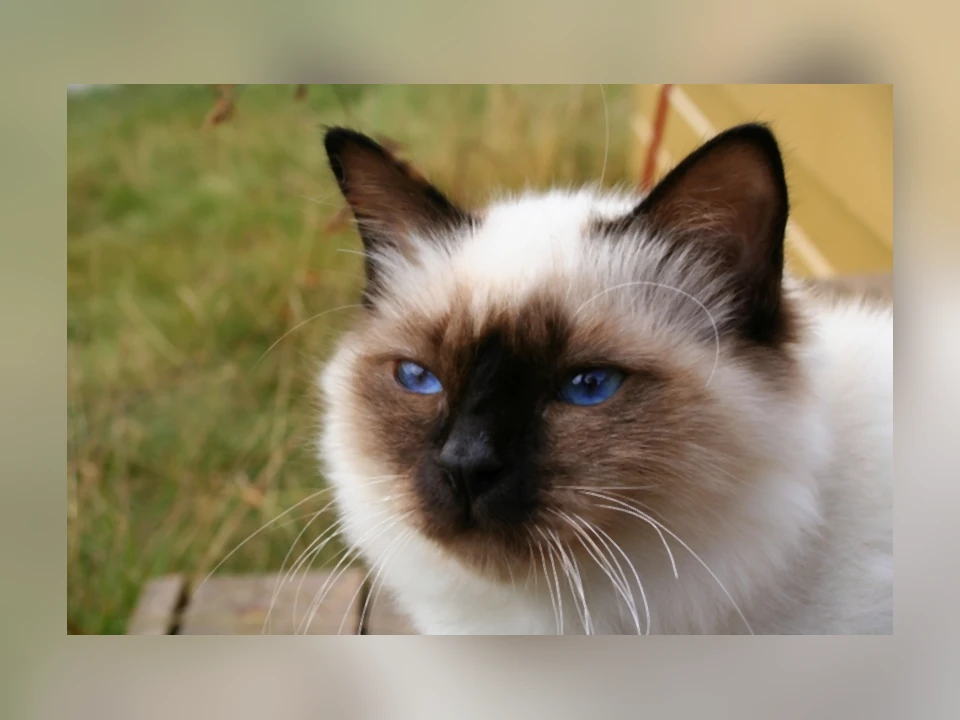
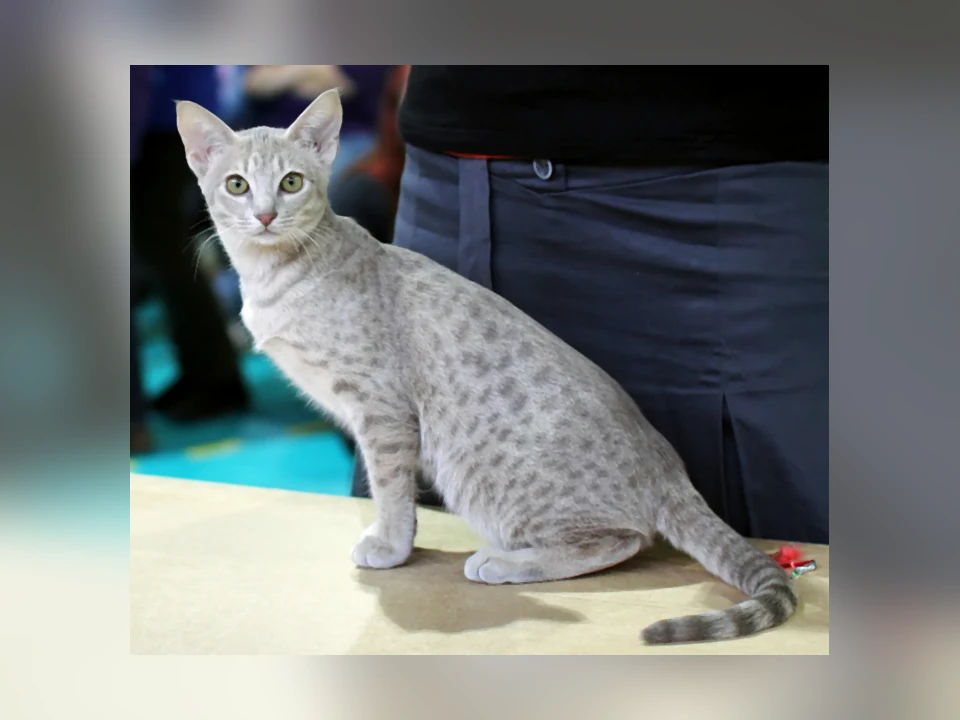
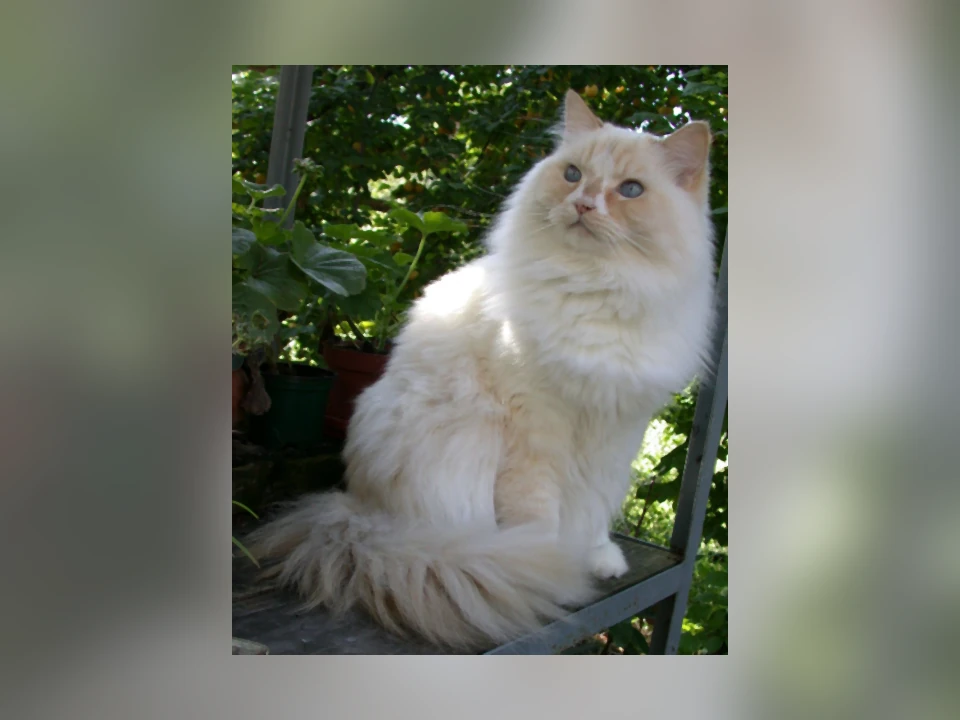
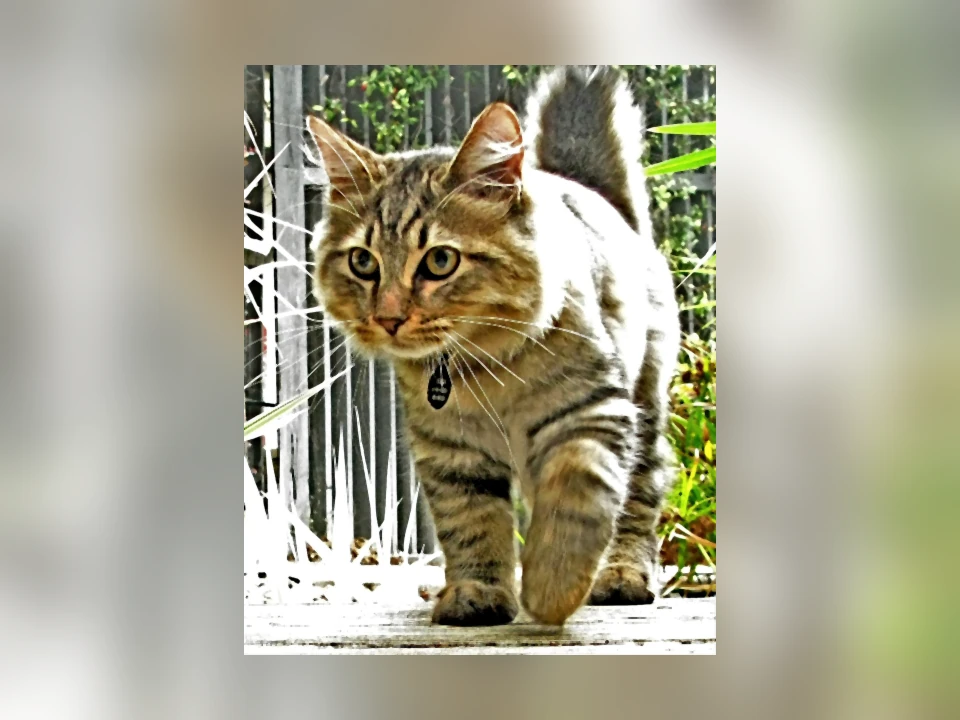
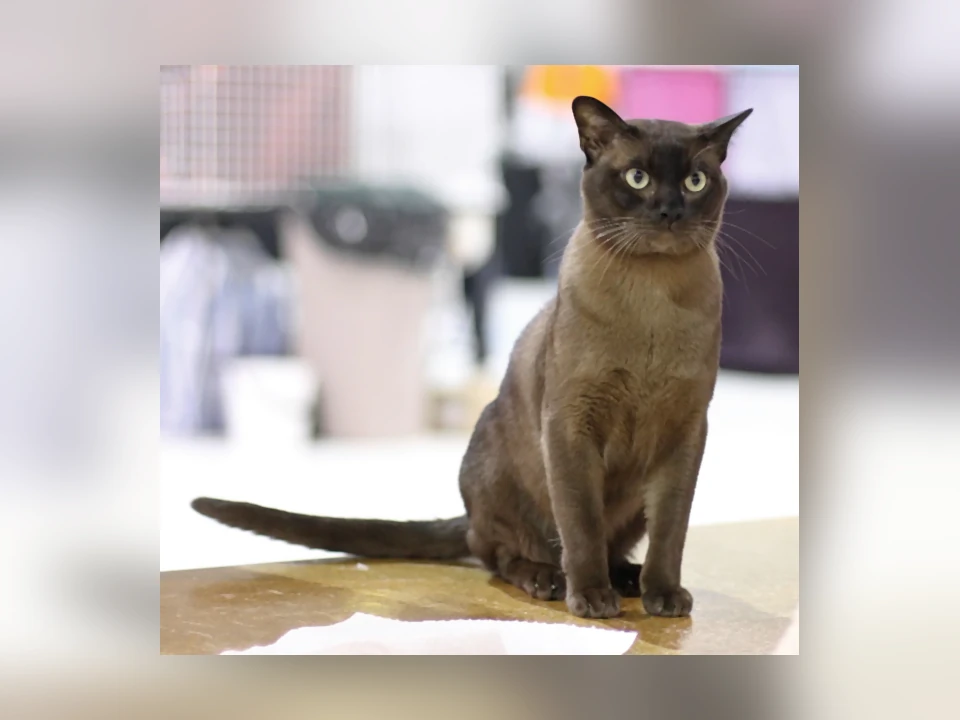
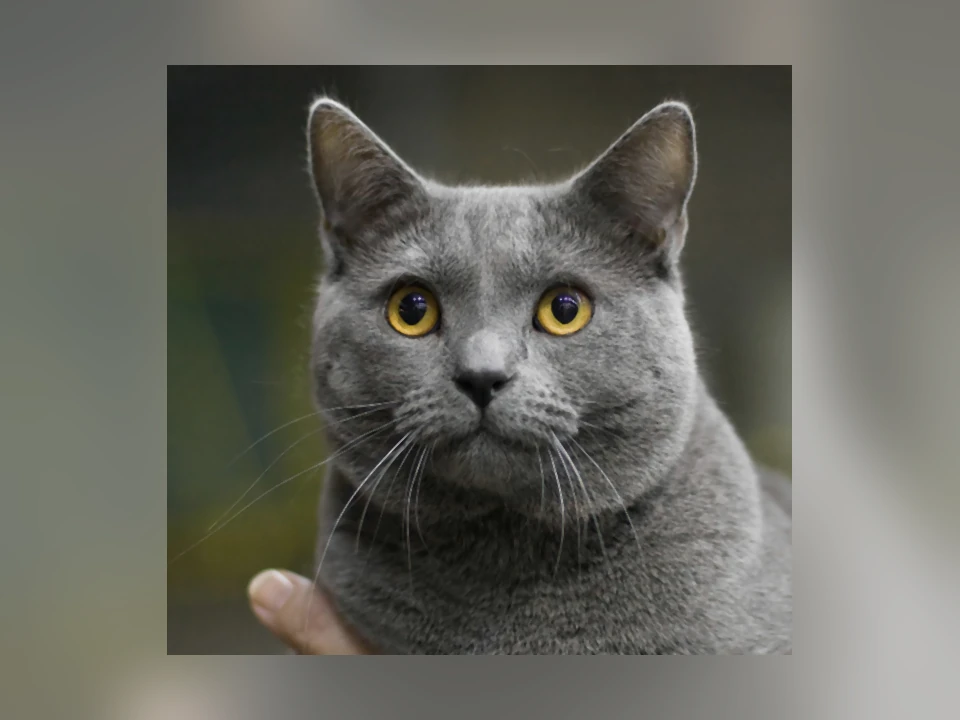
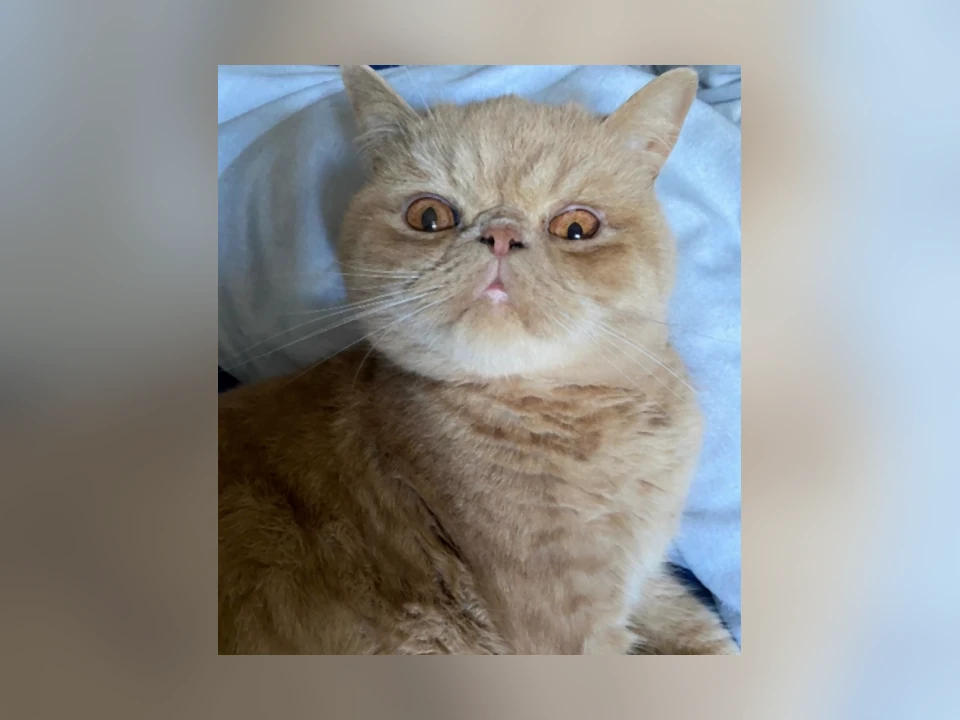
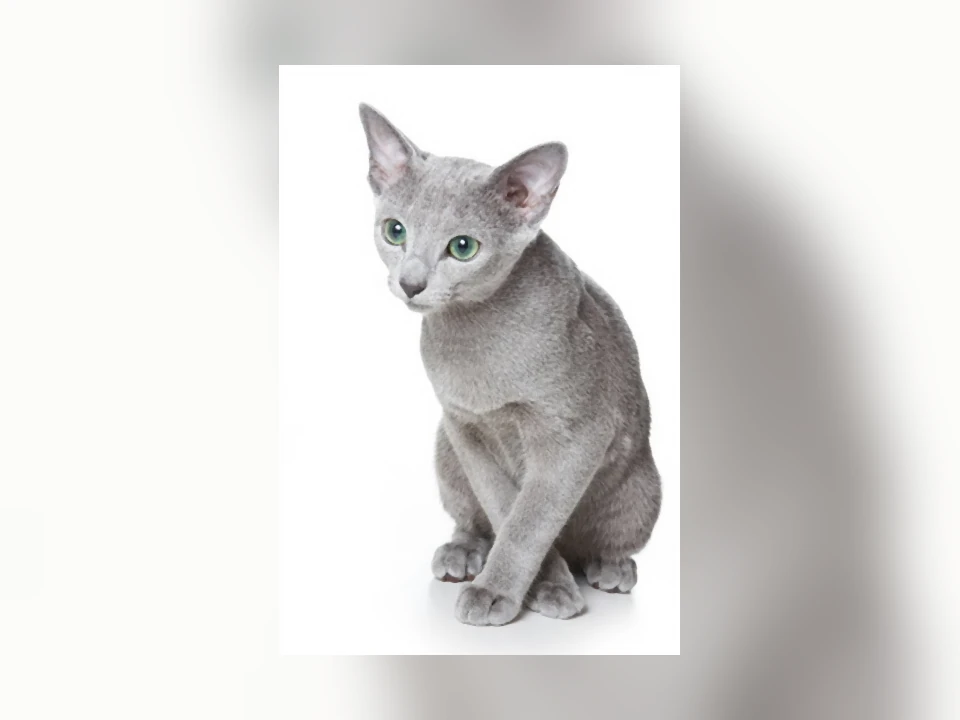
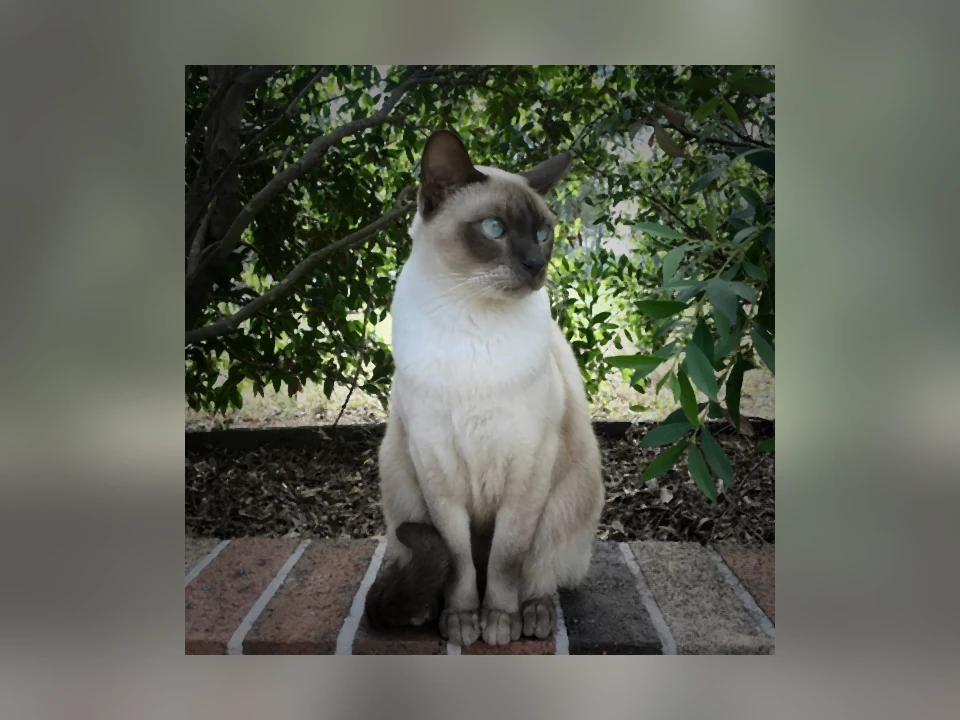
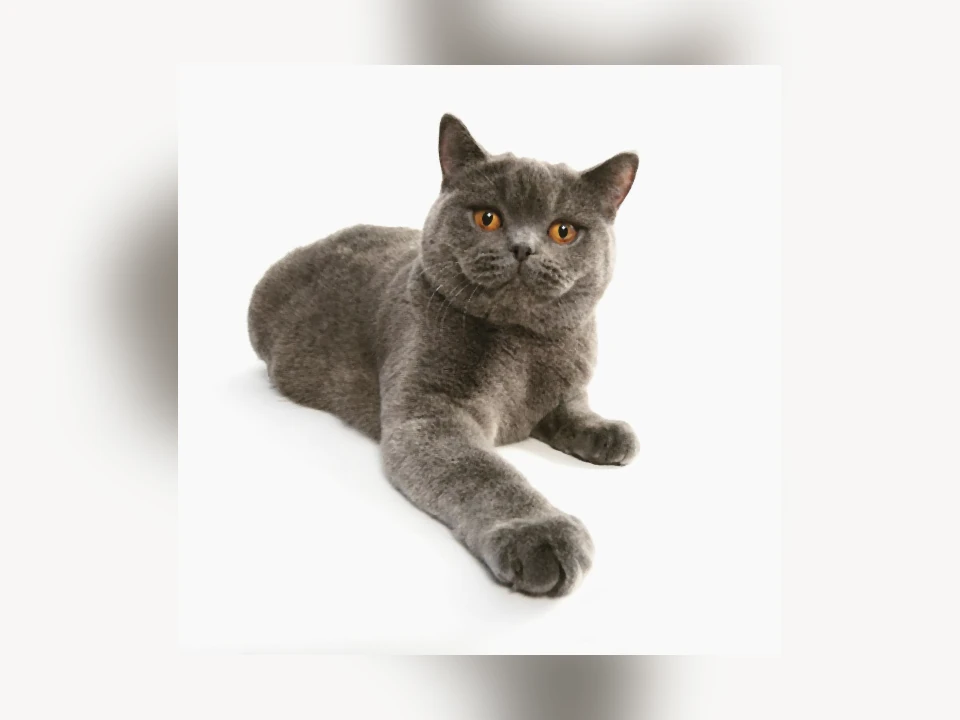
Fit scores are computed from PetGrit's own 1–5 trait ratings — a transparent, weighted blend, not an editorial pick. Browse the full breed dataset →
Sources & method
- PetGrit cat breed dataset — 1–5 trait ratings — Our transparent beginner fit score blends friendliness (weighted 2×), grooming ease (1.5×), energy level, vocalness, and a bonus for breeds tagged beginner-friendly.
- ASPCA and Petfinder guidance on adopting adult cats — Why an adult shelter cat with known temperament often makes a better first companion than a kitten for new owners — calmer, litter-trained, and less destructive.
The short version
- The Bombay, Selkirk Rex, and American Shorthair score highest for first-time owners — friendly, adaptable, and easygoing companions with moderate grooming needs.
- Beginner-friendly is about temperament, not just breed — a calm adult cat from a shelter often beats a high-strung kitten, even if the breed scores well.
- Friendly cats need company and enrichment; a breed that scores well doesn't excuse leaving a cat alone for days.
Frequently asked questions
What are the best cat breeds for first-time owners?
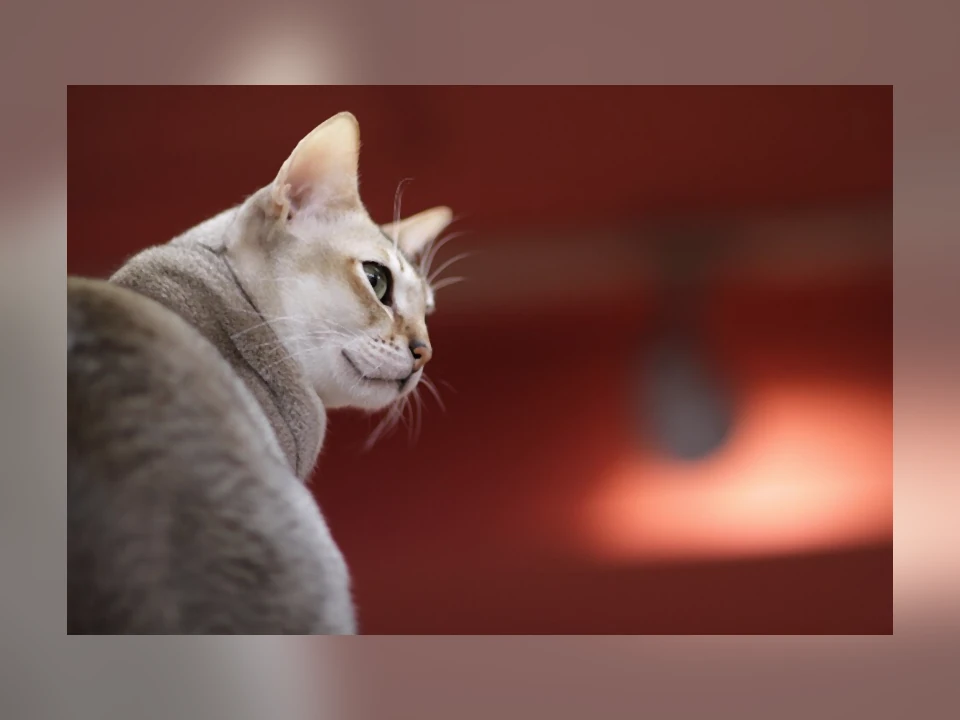
By our fit score, the Bombay, Selkirk Rex, and American Shorthair top the list — adaptable, affectionate, and hardy cats that forgive learning mistakes. The Bombay is a friendly, easygoing 'mini-panther' that thrives on human company without being fussy. The Selkirk Rex has a distinctive wavy coat and patient personality. The American Shorthair is the textbook easy cat: sturdy, low-key, and genuinely low-maintenance. Other strong fits include the Singapura, American Curl, Birman, Ocicat, Ragamuffin, and American Bobtail. The common thread is a friendly, patient temperament — these breeds bond with their owners without being clingy or high-maintenance.
Is an adult cat better than a kitten for a first-time owner?
Often, yes. A kitten is work: litter training, teething, climbing curtains, 3 AM zoomies, and veterinary visits as they grow. An adult shelter cat comes with a known personality and is usually calmer and already litter-trained. If a first-time owner does choose a kitten, pick a calmer, friendlier breed and adopt a pair so they entertain each other while you're learning.
What do first-time cat owners need to know?
Every cat needs a litter box (scooped daily), fresh water, regular food, annual vet visits, and dental care. Friendly, social breeds like the Bombay and Selkirk Rex that score well on this list do get anxious or destructive if left alone constantly, so plan for playtime or enrichment every day. Budget for unexpected vet emergencies. And remember: meet the individual cat before you adopt — breed is a guide, but personality, socialization, and health matter far more.
Related reading
More rankings
Low-noise pet care
Get PetGrit care check-ins worth opening
New report workflows, calm checklists, and practical pet-care updates for dog and cat parents. No spam, no fear-selling. Unsubscribe anytime.
Prefer a personalized brief? Prepare a visit brief.