Origins
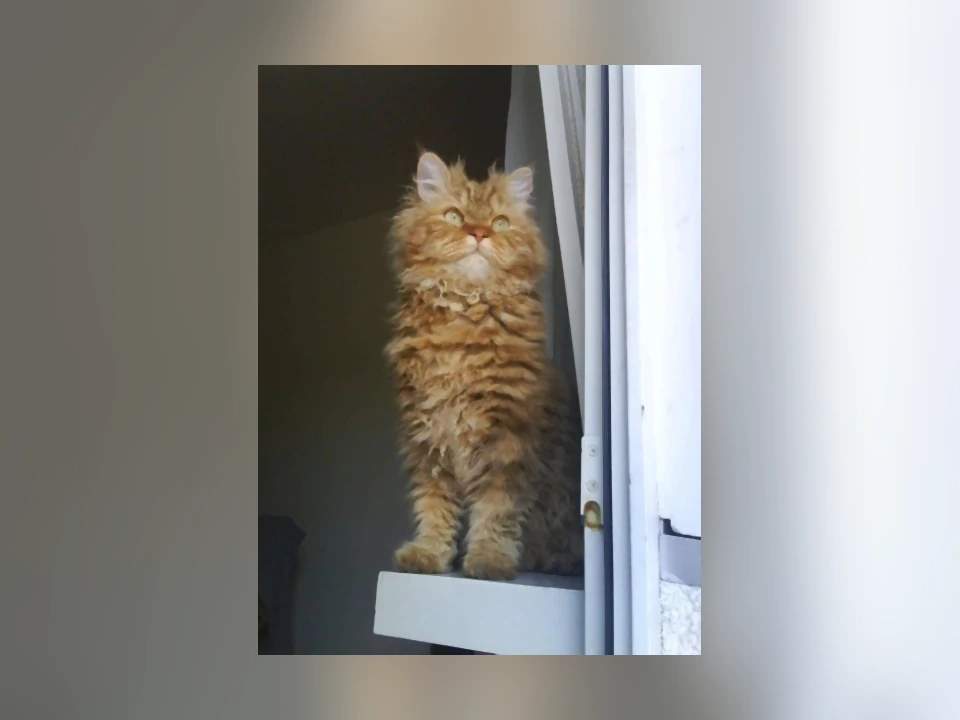
The Selkirk Rex traces to a single curly-coated kitten born in a Montana shelter in 1987. A breeder recognized the unusual plush coat and developed the breed from her, naming it (unusually for a cat breed) after a person. To build genetic diversity, the Selkirk Rex was outcrossed to Persians, Exotic Shorthairs, and British Shorthairs, which is why it comes in both shorthair and longhair varieties and inherits some traits, and health considerations, from those breeds. Its curl is caused by a dominant gene, setting it apart from the recessive rex mutations of the Cornish and Devon. Even the whiskers curl.
Personality and daily life
The Selkirk’s nickname, “the cat in sheep’s clothing,” fits its temperament as well as its coat. These are mellow, patient, affectionate cats that like to be near their people without demanding constant action. They’re playful in moderation, tolerant of children and other pets, and generally unflappable, qualities that make them wonderful family and multi-pet cats. They tend to be quiet, communicating with soft chirps rather than loud demands.
Exercise and training
Energy is on the low-to-moderate side. A Selkirk Rex enjoys daily play and a few good perches but is just as happy lounging. Keep them active enough to stay trim, since the breed is heavy-boned and can put on weight. Their easygoing intelligence means they take well to gentle clicker training and enjoy puzzle toys.
Grooming
Here the Selkirk Rex is a bit counterintuitive: the curly coat needs care, but a light touch. Comb occasionally with a wide-tooth comb to prevent mats, especially in the longhair variety, but resist frequent brushing, which relaxes and straightens the curls. Over-bathing flattens the coat too. Standard nail trims, dental care, and ear checks complete the routine. Note that the breed is not hypoallergenic and does shed.
Health
Because of its Persian, Exotic, and British outcrosses, the Selkirk Rex inherits several screenable health concerns. Polycystic kidney disease (PKD), a Persian-line condition in which cysts progressively damage the kidneys (often surfacing around 7-10 years), is testable by DNA; if a kitten’s parent is Persian, Exotic, or Himalayan, insist on proof of PKD-negative parents. Hypertrophic cardiomyopathy (HCM), the most common feline heart disease, is also reported, look for breeders who echocardiogram-screen their cats, and be skeptical of anyone promising an “HCM-free” line, since no one can guarantee that. Hip dysplasia is reported in this stocky breed as well, particularly through British Shorthair heritage; keeping your cat lean helps protect the joints.
Who they’re best for
The Selkirk Rex is ideal for someone who wants a calm, cuddly, novelty-coated companion that fits easily into family life, multi-pet homes, and first-time households. It’s less suited to those seeking a high-energy athlete or anyone unwilling to groom thoughtfully. Choose a breeder who screens for PKD and HCM, learn to leave the curls mostly alone, and you’ll have a gentle teddy bear of a cat for years.