Best Family Cat Breeds for Kids (Ranked & Scored)
Sociable, robust cats that thrive on human company — but only if families teach kids to handle them gently. Here's the ranked list, the transparent score formula, and the one thing that matters most: supervision.
How we built it
A composite 'family-fit' score computed from PetGrit's 1–5 friendliness and grooming ratings, weighted heavily toward friendliness (weight: 2) and moderately toward easier coat care (weight: 0.5), with a bonus for breeds historically tagged as good with families or children (weight: 2). The exact formula is shown in the breakdown above the list. It's a transparent algorithm, not an editorial verdict — it ranks breed averages and cannot account for an individual cat's temperament, history, socialization, or how it's raised in your home.
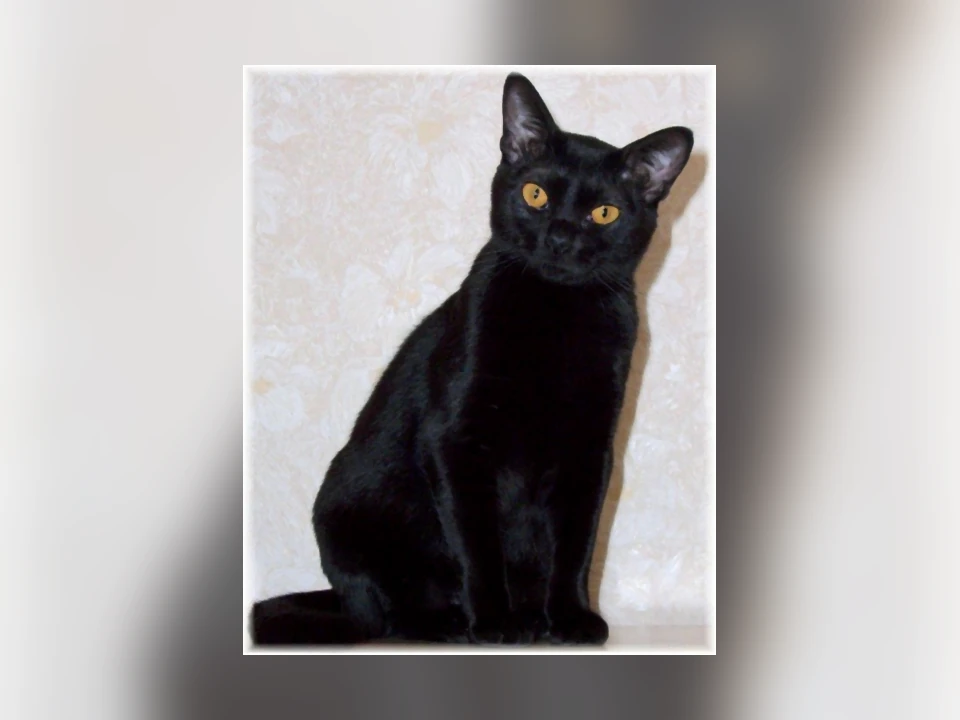
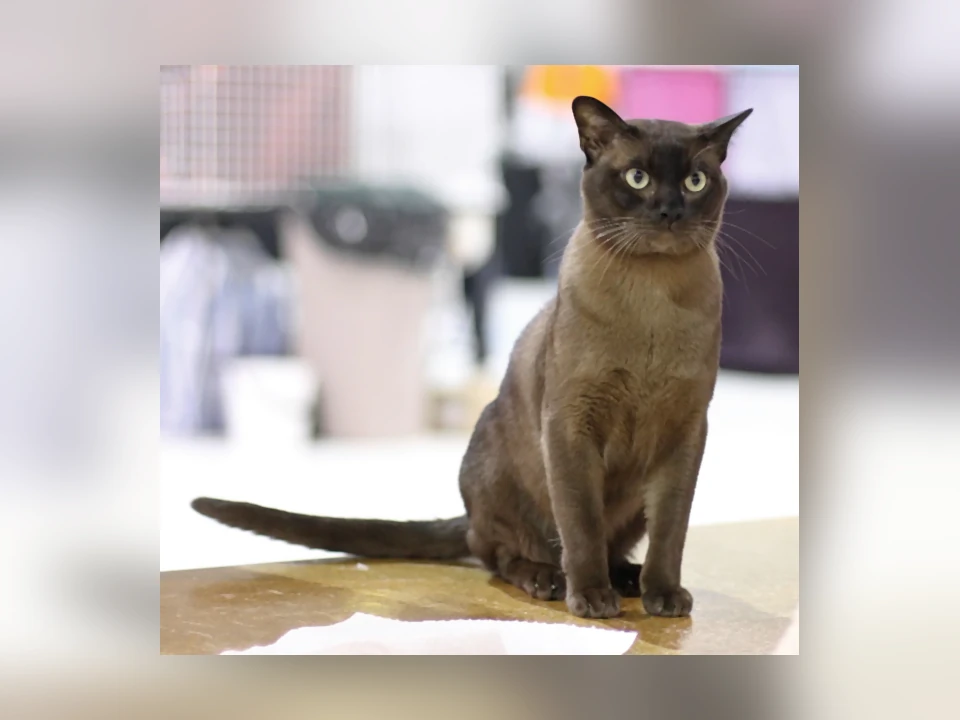
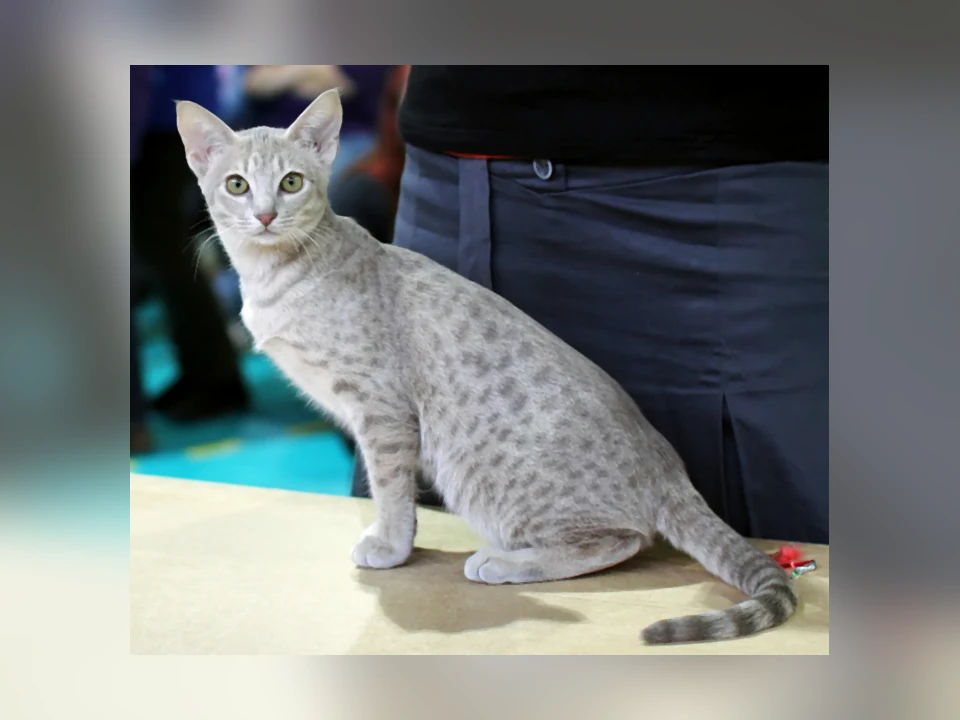
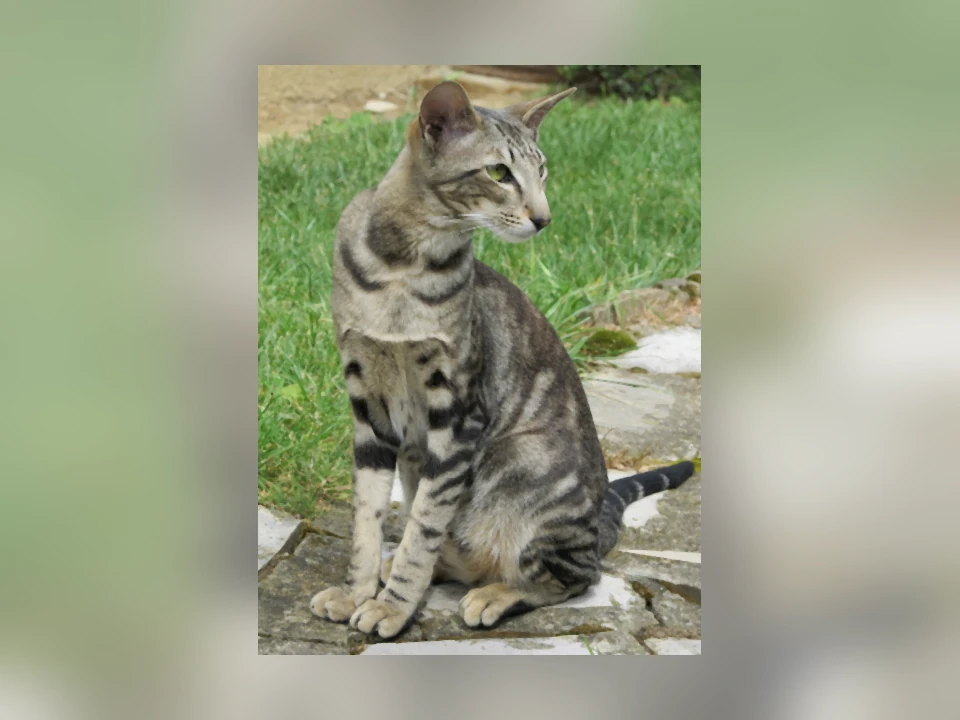
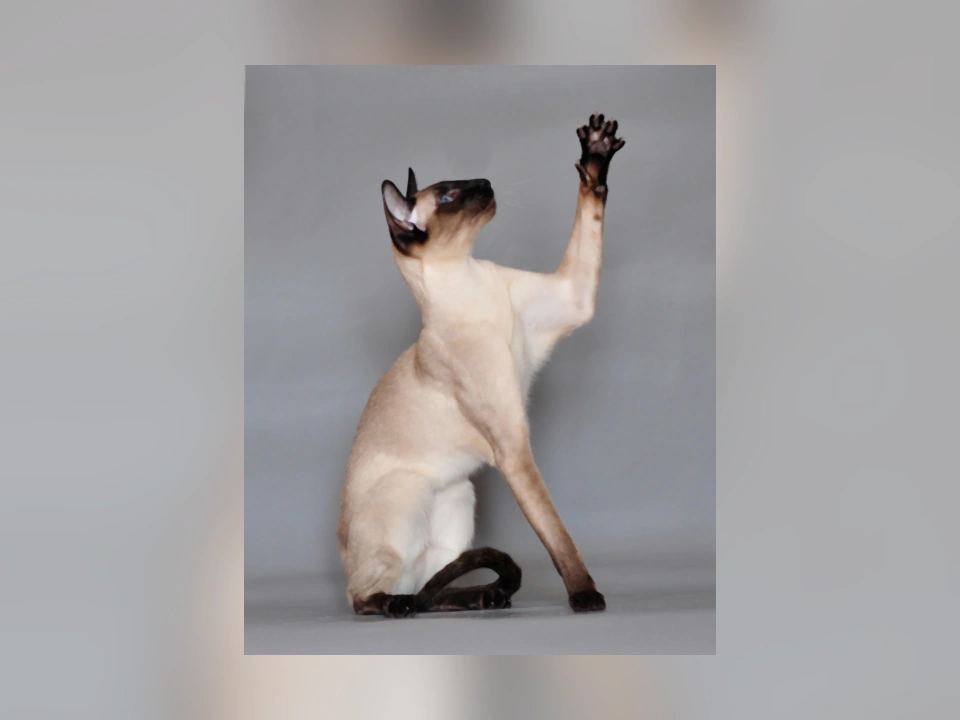
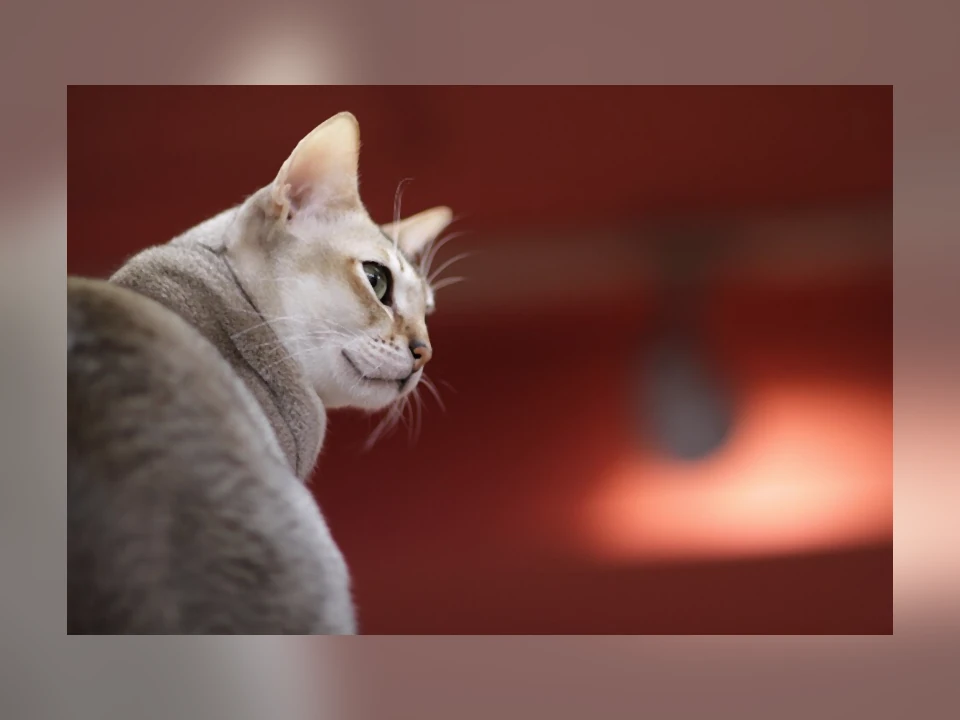
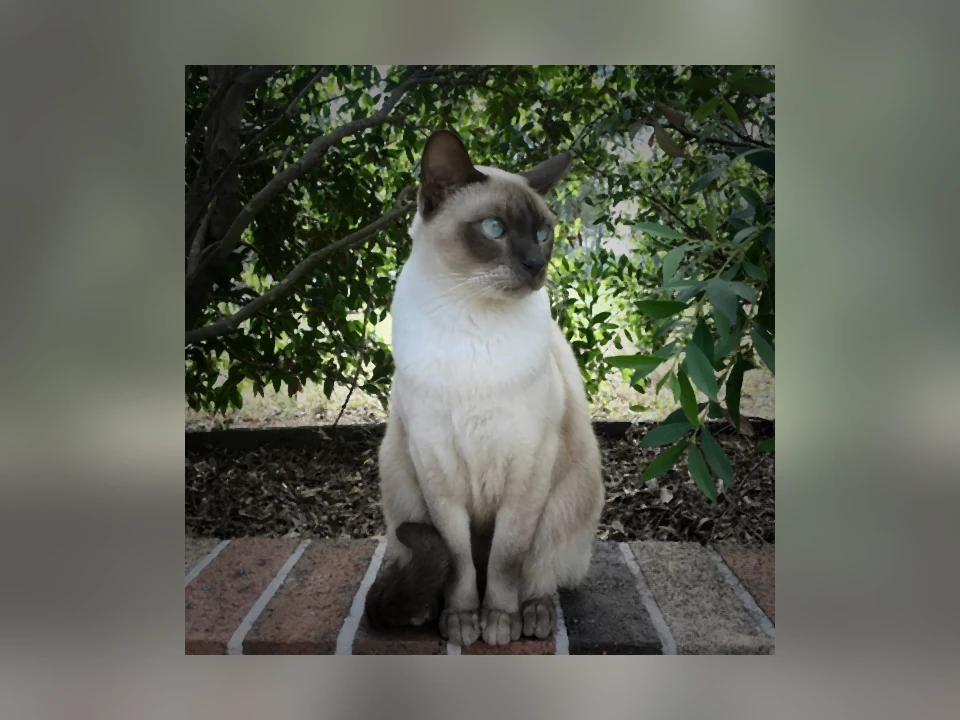
The best family cat isn't a babysitter — it's a cat that actively enjoys human company, tolerates handling without hiding, and bounces back from the chaos of family life. The Bombay, Burmese, Ocicat, Oriental Shorthair, and Siamese top this fit score — intensely social, people-focused breeds that want to be in the thick of things. The score is a transparent weighted blend of our 1–5 friendliness and grooming ratings, boosted for breeds tagged as good with families; it's a math formula, not an editorial pick, and a high score is not a guarantee that any one cat will be a good match. The thing it can't measure matters most: a cat's behavior depends far less on breed than on its individual temperament, how well it was socialized, and how your kids are taught to handle it.
Visit preparation
Bring your questions to the next visit
Add your own observations and questions in the visit tool. Rankings are not copied into the brief or used as a clinical assessment.
How the fit score works
Each breed's fit % is a transparent, weighted blend of our 1–5 trait ratings — no hidden editorial thumb on the scale. The weightings:
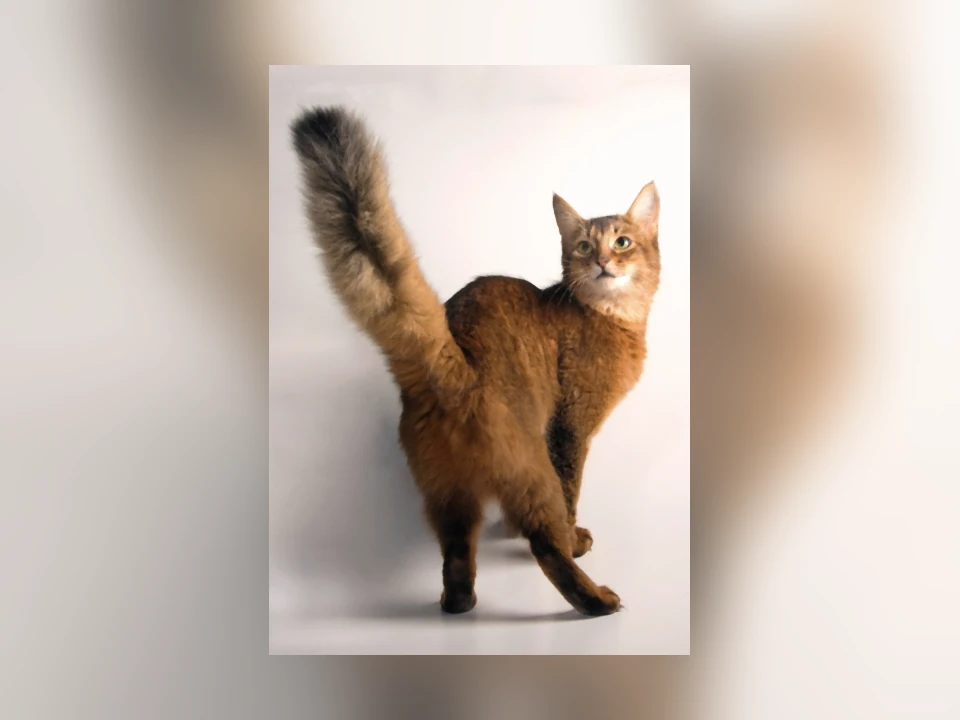
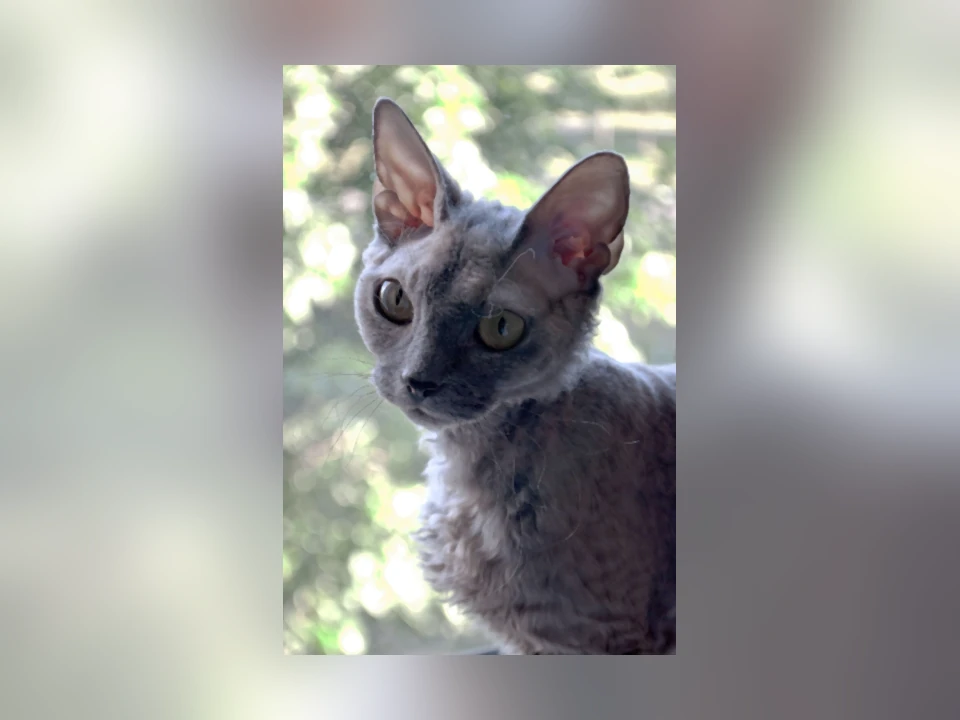
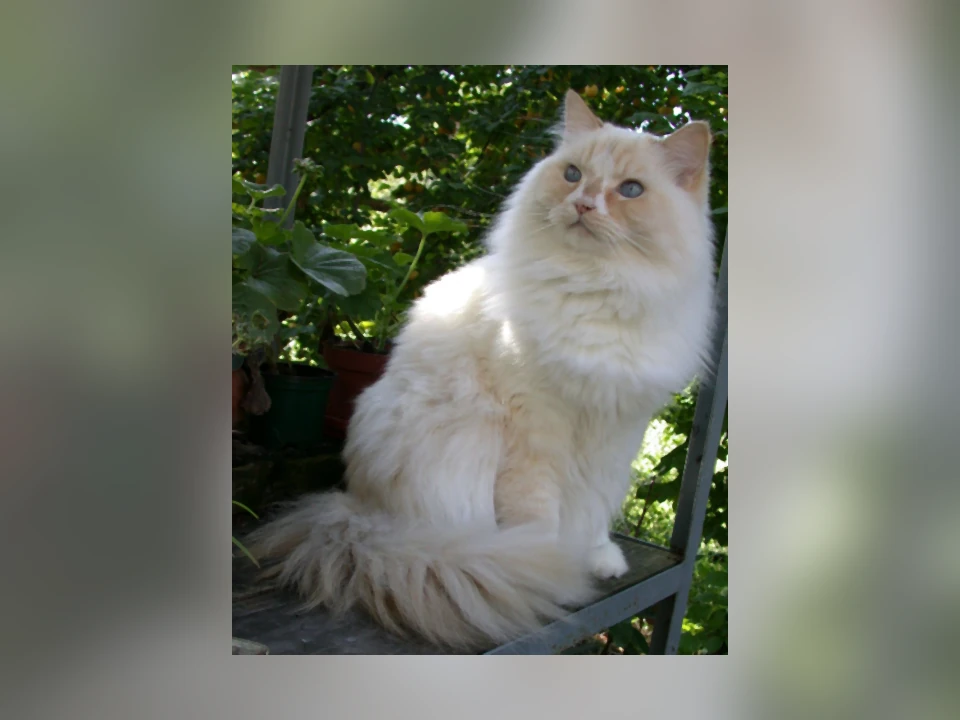
Fit scores are computed from PetGrit's own 1–5 trait ratings — a transparent, weighted blend, not an editorial pick. Browse the full breed dataset →
Prefer a hand-picked shortlist? Best Cats for Families Our editors' curated picks — the data leaderboard above, distilled.Sources & method
- PetGrit breed dataset — 1–5 friendliness and grooming ratings — The transparent inputs to the family-fit score; the formula is shown in the breakdown above the list.
- Breed-standard temperament descriptions — Documentation of each breed's historical sociability, energy level, and behavior around families and children.
The short version
- The Bombay, Burmese, Ocicat, Oriental Shorthair, and Siamese score highest — intensely social, people-loving breeds that want to be underfoot and in the middle of family activity.
- Gentle handling and supervision matter far more than breed: teach kids to respect the cat, and always give the cat a way to escape.
- Many of the top scorers — especially Siamese, Oriental Shorthair, and Tonkinese — are vocal and high-energy. They thrive on constant attention and will let you know if they're bored or lonely. If you prefer a calmer cat, look down the list.
Frequently asked questions
What are the best cat breeds for families with kids?
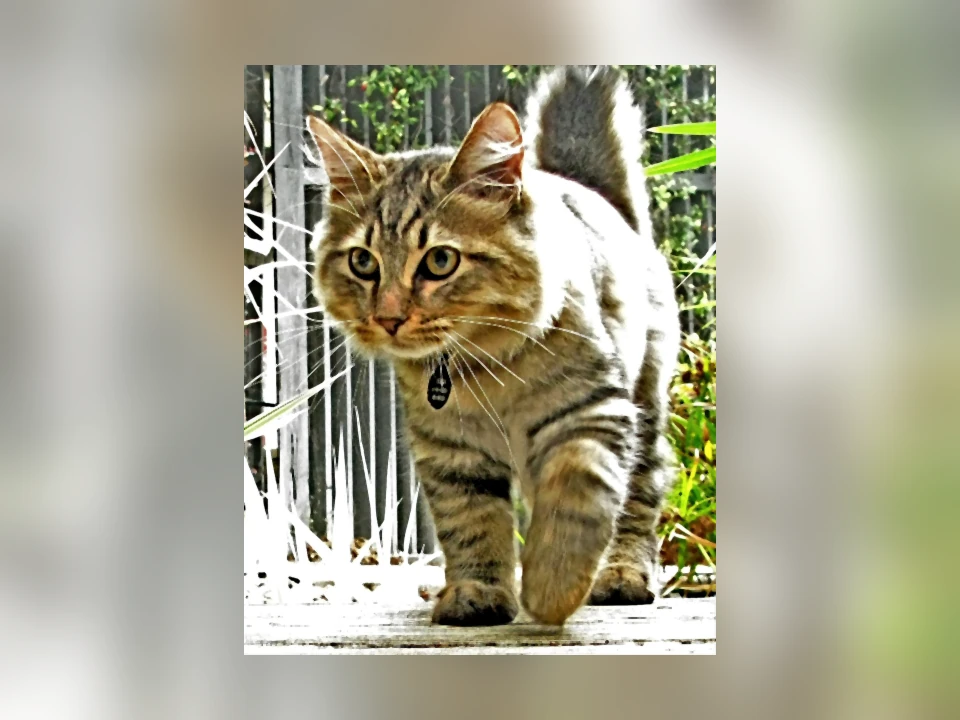
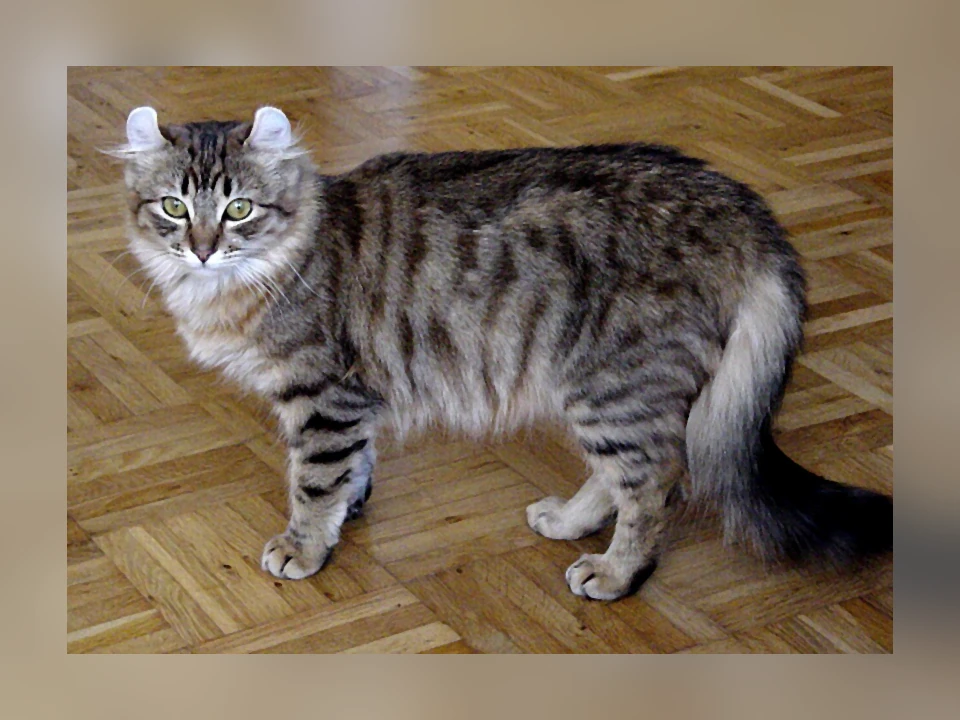
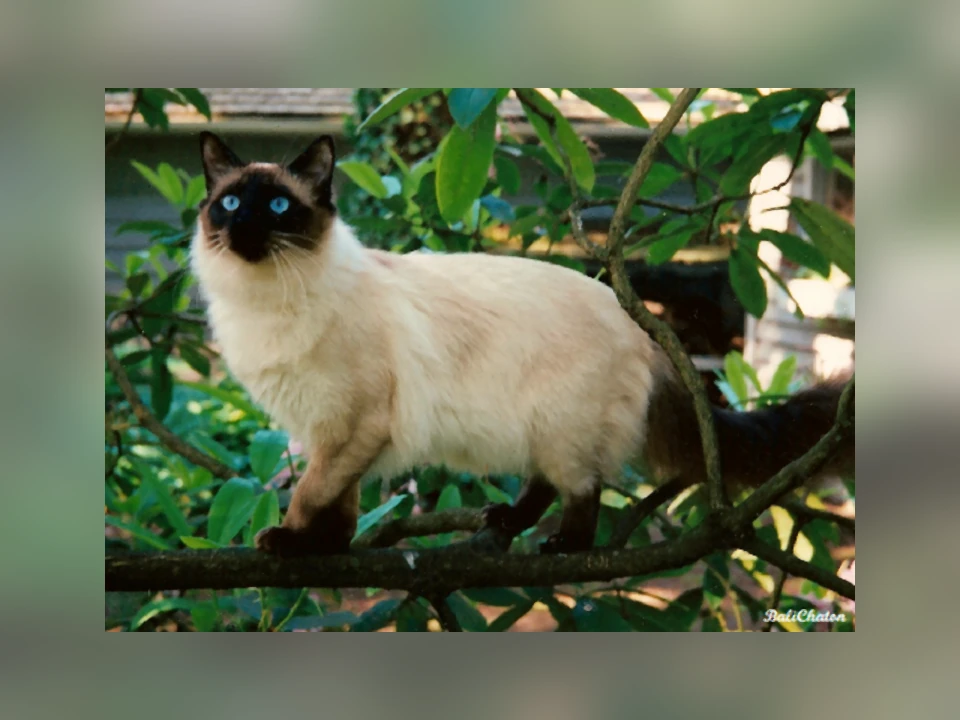
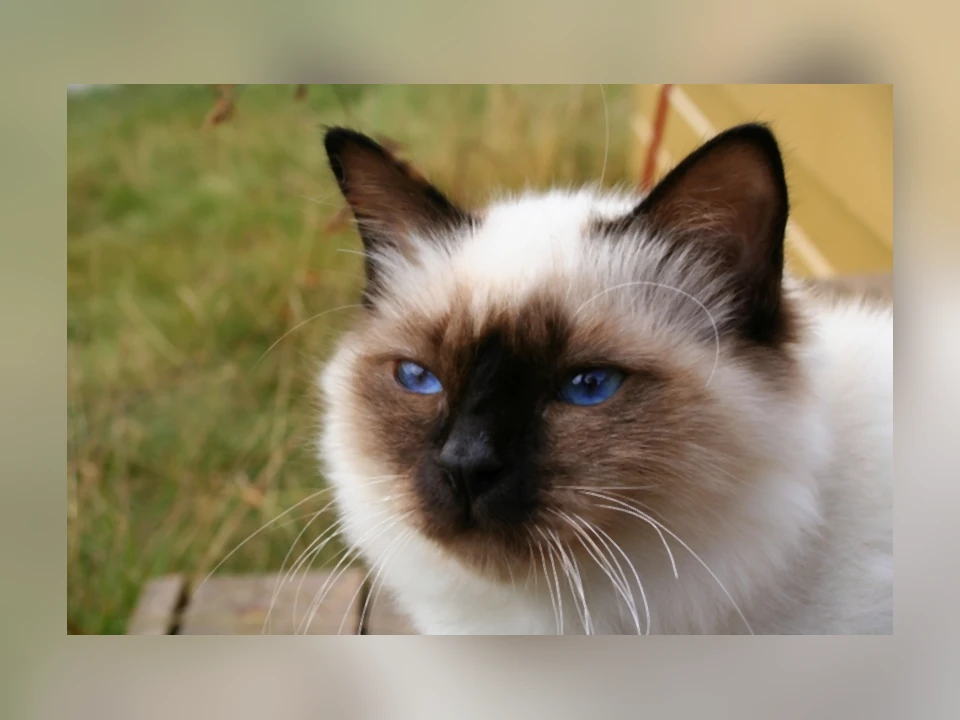
By our family-fit score, the Bombay, Burmese, Ocicat, Oriental Shorthair, and Siamese top the list — intensely people-focused, sociable breeds that actually want to be in the middle of family activity and tolerate handling well. The Singapura, Tonkinese, American Bobtail, American Curl, and Balinese round out the top 10. The common thread is strong sociability and a robust temperament that bounces back from noise, chaos, and a child's eager (sometimes clumsy) petting. Long-haired breeds like Ragdoll and Maine Coon also score well — they're equally gentle and social — but their grooming needs edge them slightly lower on this particular ranking.
How do I teach my child to handle a cat safely?
Start early and be clear: the cat is not a toy or a doll. Show kids how to pet gently (smooth strokes, not grabbing), and teach them to leave the cat alone when it walks away or hides. Never allow tail-pulling, ear-grabbing, or picking the cat up without permission. Supervise all interactions between young children and the cat, even with family-friendly breeds. A cat that feels hurt or cornered will scratch or bite in self-defense, regardless of breed. Many cat bites on kids happen during 'rough play' that felt fine at first but went too far.
Do highly social cats need more attention than quiet ones?
Yes. The breeds at the top of this list — especially the Oriental Shorthair, Siamese, and Tonkinese — are demanding in the best way: they want to be with you, they'll follow you from room to room, and they can get destructive or anxious if left alone for long stretches. If your family is often out of the house or you prefer a lower-key companion, look further down the list or consider a more independent breed. These top scorers thrive in homes with consistent activity and company, not quiet households where they're left alone for 8+ hours a day.
Related reading
More rankings
Low-noise pet care
Get PetGrit care check-ins worth opening
New report workflows, calm checklists, and practical pet-care updates for dog and cat parents. No spam, no fear-selling. Unsubscribe anytime.
Prefer a personalized brief? Prepare a visit brief.