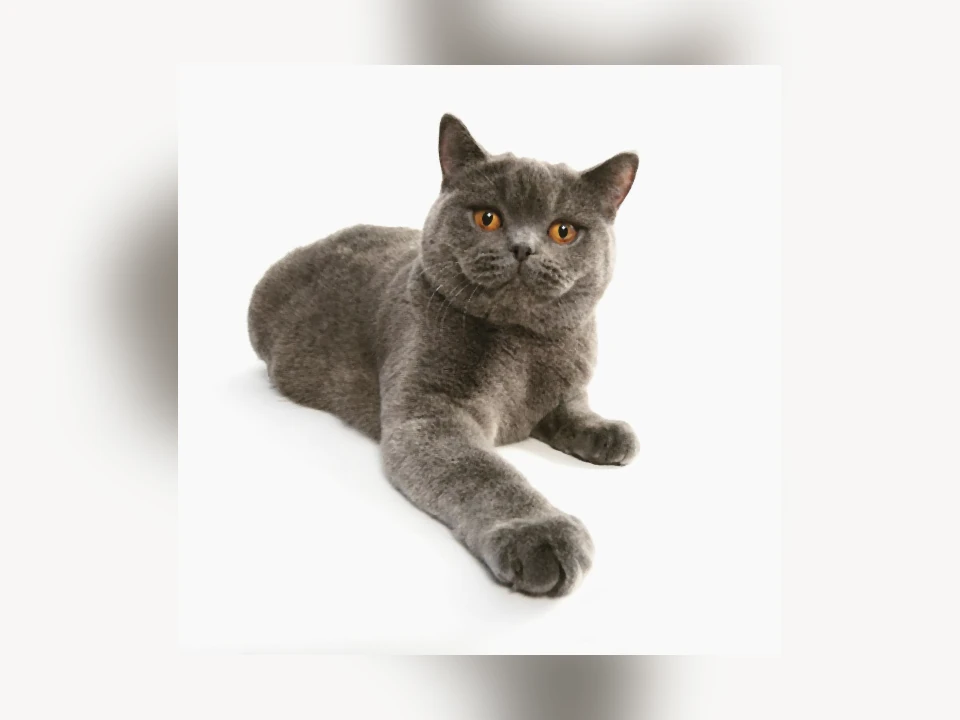
Meet the British Shorthair (the plush, round-faced “teddy bear” cat — the original tabby)
The British Shorthair is one of the oldest recognized cat breeds, tracing back to the domestic cats of Roman Britain and later refined by Victorian breeders. The original British Shorthairs were tabbies, and the breed standard still embraces a wide range of colors and patterns — though the blue-gray “British Blue” has become its most famous face.
The look is unmistakable: a sturdy, cobby body, a broad round head, full cheeks, and large round eyes that give the breed its enduring “teddy bear” reputation. The coat is short but remarkably dense and plush, standing slightly off the body like crisp velvet. This is a substantial cat — males in particular can be quite heavy and muscular — and one that matures slowly, often not reaching full size until three to five years of age.
Personality & temperament
If you want a calm, drama-free housemate, the British Shorthair delivers. The breed is famous for being easygoing, dignified, and emotionally steady. They are affectionate and genuinely bonded to their people, but they show it on their own terms.
Here is the honest part that surprises many new owners: a British Shorthair is often not a lap cat. Most prefer to sit beside you, follow you from room to room, or supervise from a nearby perch rather than be scooped up and held. Many actively dislike being carried. Their affection is real — it is just understated and undemanding.
They are also among the quieter breeds. You will hear the occasional soft chirp or request for dinner, but constant chatter is not their style. They tend to tolerate being alone better than clingier breeds, and they generally coexist peacefully with other cats and cat-friendly dogs when introductions are done gradually.
Living with a British Shorthair
This is a low-key breed that fits calm homes, families, seniors, and busy or working owners well. They do not demand nonstop interaction, and a couple of daily play sessions plus reliable food, water, and a clean litter box keep them content.
The biggest day-to-day caution is the waistline. British Shorthairs are low-energy and notably food-motivated, a combination that makes weight gain easy and common. Free-feeding is a frequent culprit. Measure meals to the calorie, favor scheduled feedings over an always-full bowl, and use puzzle feeders or interactive play to keep them moving. If you are unsure whether your cat is carrying extra weight, our guide on how to tell if your cat is overweight walks through the body-condition checks vets use.
Grooming & care
The dense, plush double coat looks low-maintenance, and for much of the year it is. Weekly brushing removes loose hair, prevents the coat from matting at the dense undercoat, and cuts down on the hair your cat swallows during self-grooming.
The exception is seasonal shedding. In spring and fall the British Shorthair “blows” its coat and sheds heavily for several weeks — during these periods, brushing several times a week makes a real difference. More grooming means fewer ingested hairs, which means fewer hairballs; if your cat is coughing them up often, our guide on managing hairballs in cats covers when it is normal and when to call the vet. Otherwise, care is standard: regular nail trims, ear checks, and dental attention.
Health
British Shorthairs are generally hardy and long-lived, but the breed carries a few inherited concerns that responsible buyers should take seriously. Individual cats vary, and a well-bred, screened cat tilts the odds in your favor.
- Hypertrophic cardiomyopathy (HCM). The most common heart disease in cats, HCM thickens the heart muscle and can progress silently before causing problems. A DNA test exists for one known mutation associated with the disease, and reputable breeders also screen breeding cats with cardiac ultrasound (echocardiography).
- Polycystic kidney disease (PKD). An inherited condition in which fluid-filled cysts develop in the kidneys over time. A reliable DNA test allows breeders to avoid producing affected kittens, so ask whether the parents were tested.
- Obesity. As above, this is the most common preventable health issue in the breed and a contributor to diabetes, joint strain, and reduced lifespan. Portion control and a vet-guided feeding plan are the fix — see how much to feed a cat.
- Dental disease. Like most cats, British Shorthairs are prone to tartar buildup and gum disease, which routine home care and veterinary cleanings help control.
The single most important step is sourcing: buy only from breeders who DNA-test and health-screen for HCM and PKD, or adopt and ask the shelter or rescue for any known history. Be wary of sellers who cannot show screening results.
Is a British Shorthair right for you?
A British Shorthair is an excellent match if you want a laid-back, low-drama, quietly affectionate companion — and if you can accept a cat that is more independent and less cuddly than its plush appearance suggests. They reward calm households, tolerate working schedules, and rarely create chaos.
They are a poorer fit if you are set on a lap cat, a high-energy playmate, or a vocal, attention-seeking breed. And whatever you do, watch the waistline: with this food-loving, easygoing cat, disciplined feeding is the kindest thing you can do for a long, healthy life.