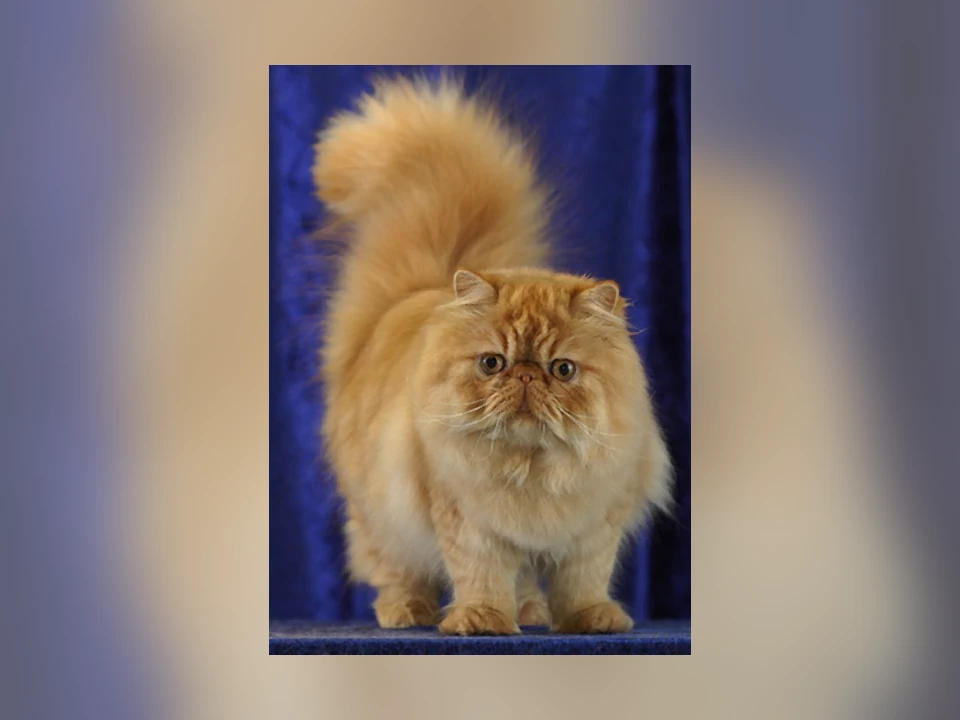
Meet the Persian (the glamorous, long-haired, flat-faced classic)
Few cats look as unmistakably regal as a Persian. With a long, flowing coat, a broad round head, big expressive eyes, and that famously flat face, the Persian is one of the oldest and most recognizable pedigree cats in the world — registered and shown for well over a century by bodies like the Cat Fanciers’ Association (CFA) and TICA. Tracing back to long-haired cats from Iran (historically Persia), they’ve been bred as living ornaments and devoted lap companions for generations.
But this is a breed where love and honesty have to travel together. The same dramatically flat face that gives the Persian its dreamy, doll-like expression is also the source of well-documented health problems. Welfare organizations including International Cat Care have raised real concern about the most extreme “peke-faced” conformation, because brachycephalic (flat-faced) cats carry meaningfully higher risks of tear-duct overflow, breathing difficulty, and dental crowding. None of this means a Persian can’t be a wonderful companion — millions are. It means you should choose your breeder carefully, plan for daily grooming, and go in with your eyes open.
Personality and temperament
If serenity is what you’re after, the Persian delivers. These are quiet, gentle, dignified cats — the antithesis of the frenetic, climb-the-curtains kitten. Persians prefer calm. They tend to drape themselves across a sunny windowsill or your lap rather than tear around the house, and their energy needs are genuinely low.
They are affectionate, but in a reserved, undemanding way. A Persian is more likely to settle quietly beside you than to follow you room to room meowing for attention; they’re not big talkers, and they bond deeply with the people who respect their unhurried pace. That dignity comes with a preference for stability — sudden noise, chaos, rough handling, or a household of boisterous toddlers can stress them. In the right quiet home, though, a Persian is a soothing, devoted presence that asks little and gives steady companionship.
Living with a Persian
For the right home, a Persian fits beautifully — but day-to-day life with this breed comes with one non-negotiable: the coat is a daily commitment. That long, thick double coat mats astonishingly fast. Miss a couple of days and you’ll find tight tangles forming behind the ears, in the armpits, and along the belly, which are painful and can pull at the skin. Brushing isn’t a nicety here; it’s daily care, and our guide on whether cats need baths covers when an occasional wash helps keep that coat manageable.
All that grooming has a second consequence: hairballs. A cat licking a long coat swallows a lot of loose hair, so Persians are especially prone to them — our hairballs in cats guide explains how regular brushing and the right diet keep them in check.
Persians are best kept as indoor cats. Their flowing coat collects burrs, dirt, and parasites outdoors, the flat face leaves them poorly equipped to defend themselves, and they simply aren’t built for rough-and-tumble outdoor life. Provide a calm environment, comfortable perches, and a clean litter box. And plan on routine eye and face wiping: the flat face means tears tend to overflow onto the fur, so a gentle daily pass with a damp cloth helps prevent staining and irritation.
Grooming and care
There’s no sugarcoating it — the Persian has one of the heaviest grooming workloads of any cat. Daily brushing with a comb and slicker is the foundation; it removes loose hair, prevents mats before they form, and gives you a chance to check the skin. If a mat does form, never yank it — work it loose gently or have a groomer clip it.
Beyond brushing, expect to give occasional baths to keep the coat clean and free of grease, since Persians often can’t fully maintain that volume of fur themselves. Face and eye cleaning is a daily habit, not an occasional one: wipe the folds around the eyes and nose to manage tear staining and keep the area dry. Litter is another quirk — the long belly and leg fur readily picks up litter and waste, so many owners trim the “sanitary” areas and choose a low-dust litter. Round it out with regular nail trims and dental care, and you have a cat that looks magnificent because of the work, not in spite of it.
Health
Here is the honest center of this breed. Much of the Persian’s most serious health profile traces back to the same flat face that defines its look.
Brachycephalic problems. The extreme short-muzzled conformation can cause noisy or labored breathing, and in the flattest individuals, real airway compromise. The Merck Veterinary Manual recognizes brachycephalic airway issues across flat-faced breeds, and the more extreme the face, the higher the risk.
Tear-duct and eye problems. A squashed face distorts the tear ducts, so tears overflow onto the fur instead of draining — causing chronic watering, reddish staining, and a greater susceptibility to irritation, entropion, and eye infections.
Dental crowding. Shortened jaws crowd the teeth into too little space, raising the risk of misalignment and dental disease, so brushing and regular dental checks matter.
Polycystic kidney disease (PKD). This serious inherited disease, in which cysts gradually replace healthy kidney tissue, has a long historical association with Persians and related breeds. Reputable breeders DNA-test their cats to avoid it. Increased thirst and urination can be early signs — our guide on why a cat is drinking so much water explains when to get bloodwork done.
The single most important thing a buyer can do is choose a breeder who DNA-tests for PKD and deliberately breeds toward a moderate, less-extreme face rather than the flattest “peke-face” look. Per authorities like the Cornell Feline Health Center and the AAFP, health-screened, moderate lines simply live easier, healthier lives.
Is a Persian right for you?
A Persian can be one of the most serene, beautiful companions you’ll ever share a home with — a calm, dignified lap cat that brings a quiet, ornamental grace to a peaceful household. That’s the real, warm truth.
The equally real truth is this: you must be willing to do daily grooming and face care, and you should go in clear-eyed about flat-face health issues. If you can’t commit to brushing every day, live in a loud and chaotic home, or aren’t prepared to manage potential eye, breathing, and dental care, another breed will serve you better. But if you can offer a calm, indoor home, enjoy the grooming ritual, and choose a breeder who health-screens and favors a moderate face, a Persian will repay you with a gentle devotion that’s hard to match.