Most Vocal Cat Breeds (the Talkative Ones)
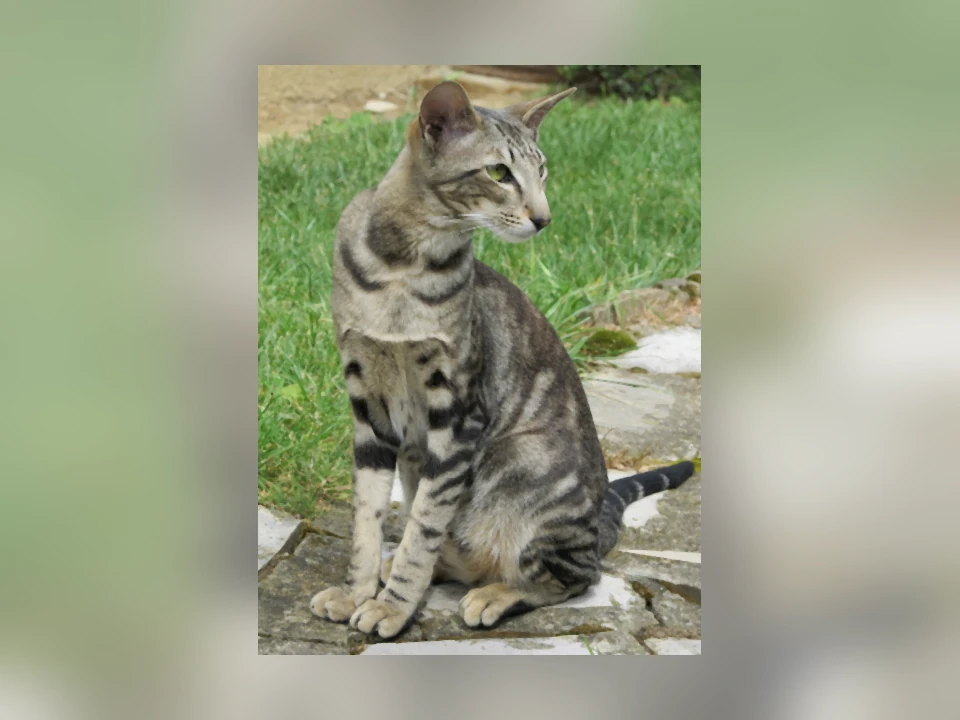
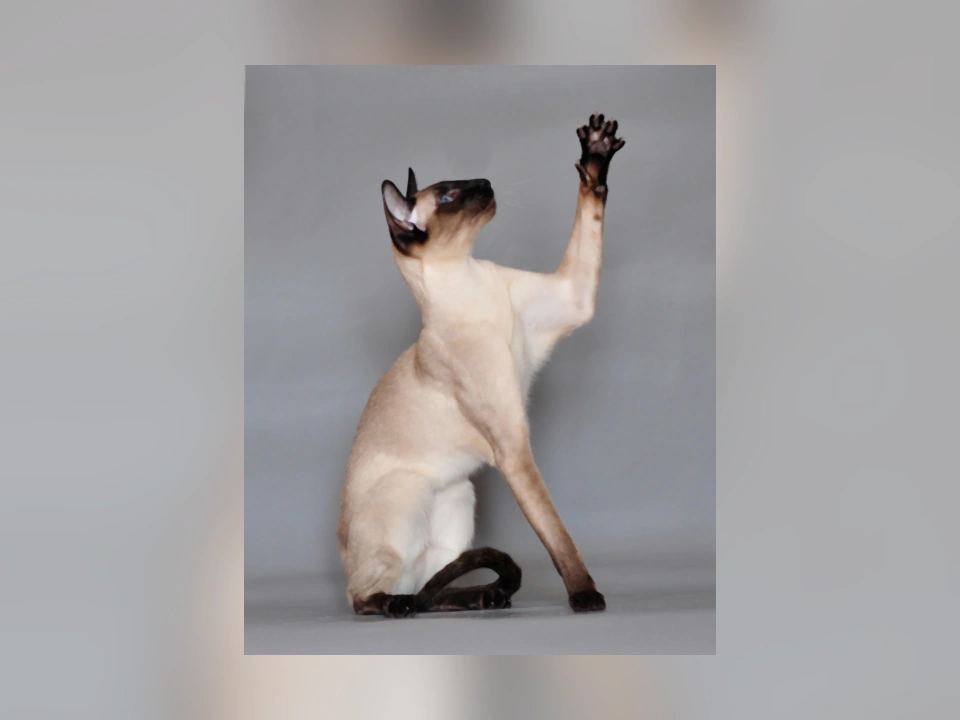
Some cats hold full conversations. The Siamese and Oriental top our vocalness scale — wonderful if you want a chatty companion, a lot if you don't.
How we built it
Computed automatically from PetGrit's 1–5 vocalness rating on each cat profile (1 = quiet, 5 = very talkative), sorted highest first. Ratings are graded against breed-standard and veterinary sources; ties are listed alphabetically.
Some cats are quiet observers; others narrate their entire day at full volume. If a chatty, conversational cat sounds delightful — or like a dealbreaker — this is the trait to check. This ranking is computed live from PetGrit's 1–5 vocalness rating on every cat profile, loudest first. The Oriental breeds run away with the top, but it's worth knowing that a normally quiet cat suddenly becoming vocal can mean something entirely different.
Visit preparation
Bring your questions to the next visit
Add your own observations and questions in the visit tool. Rankings are not copied into the brief or used as a clinical assessment.
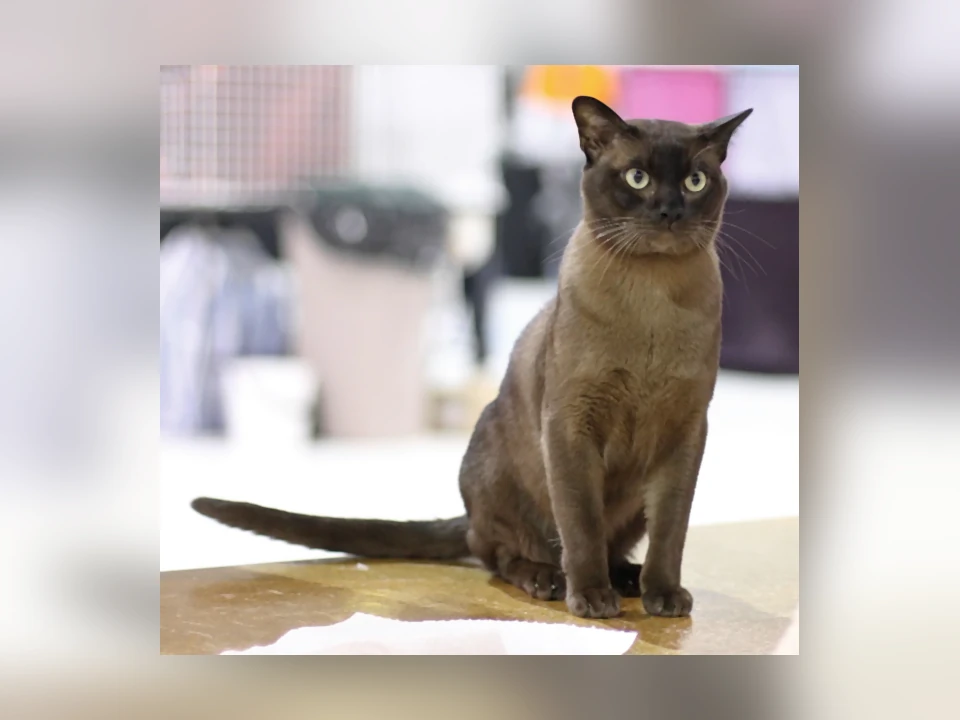
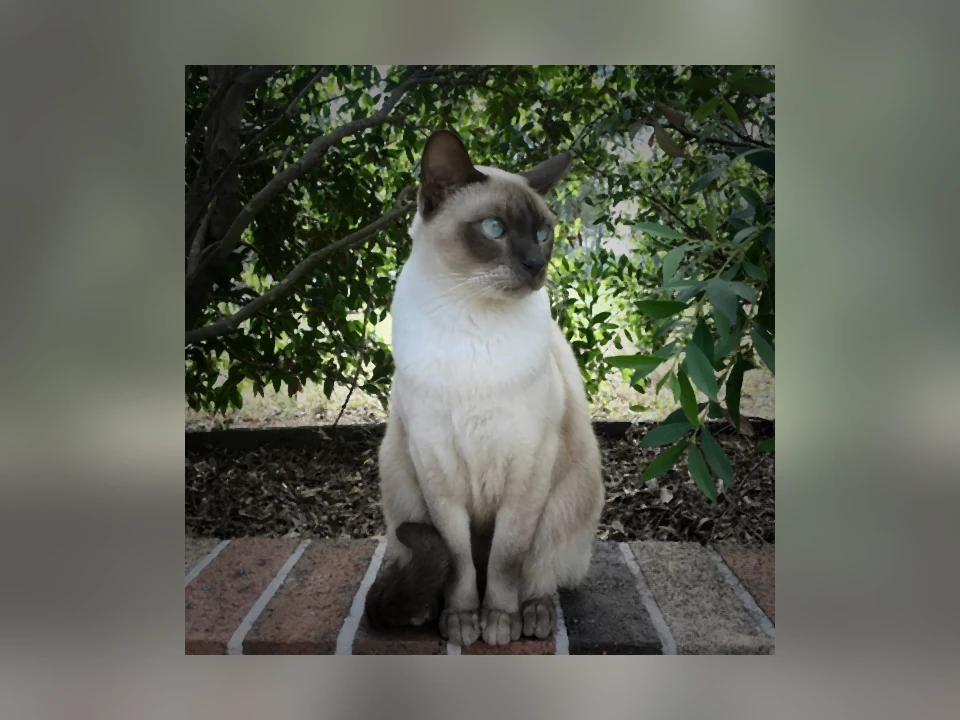
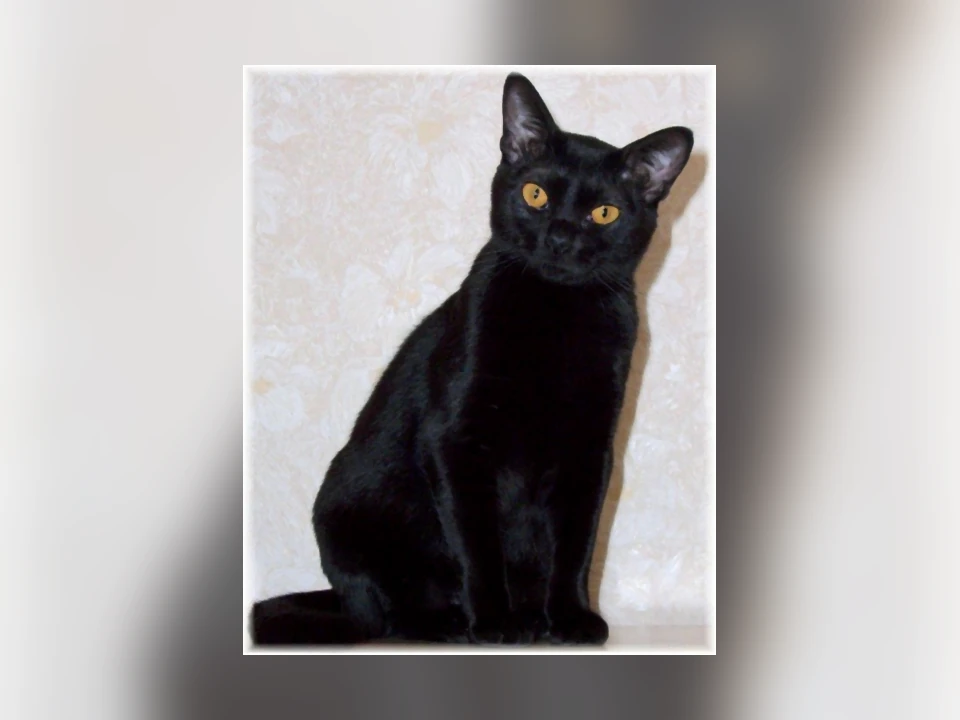
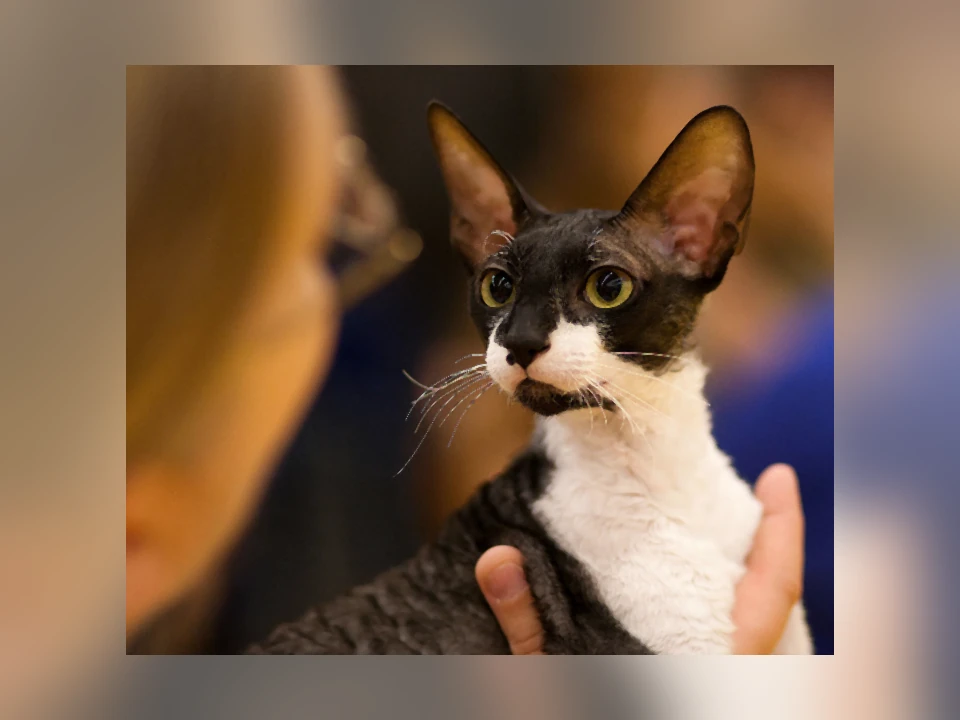
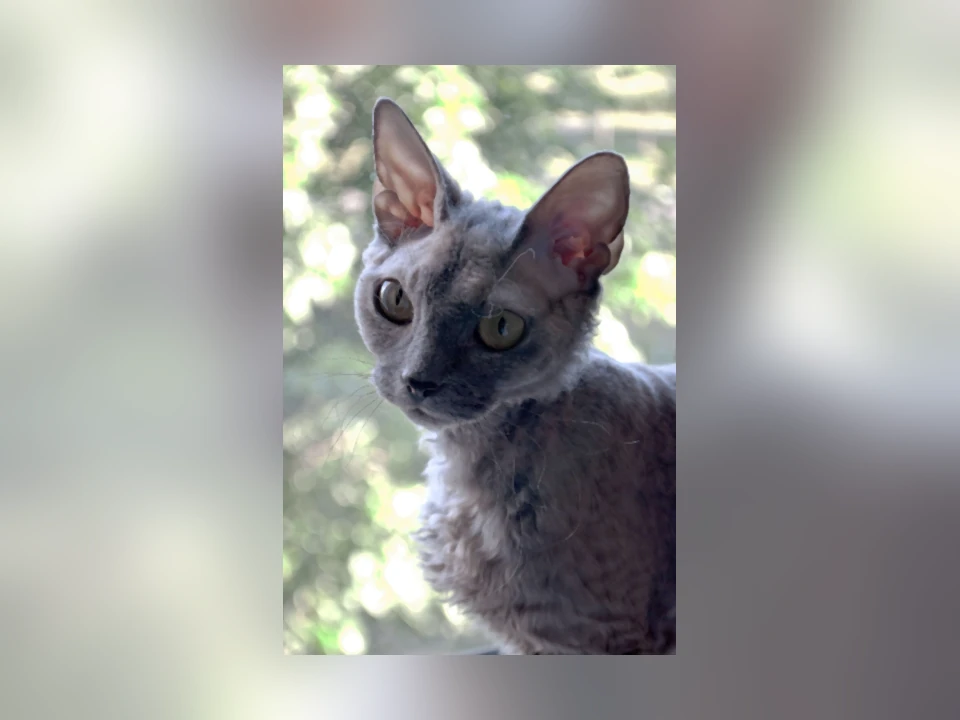
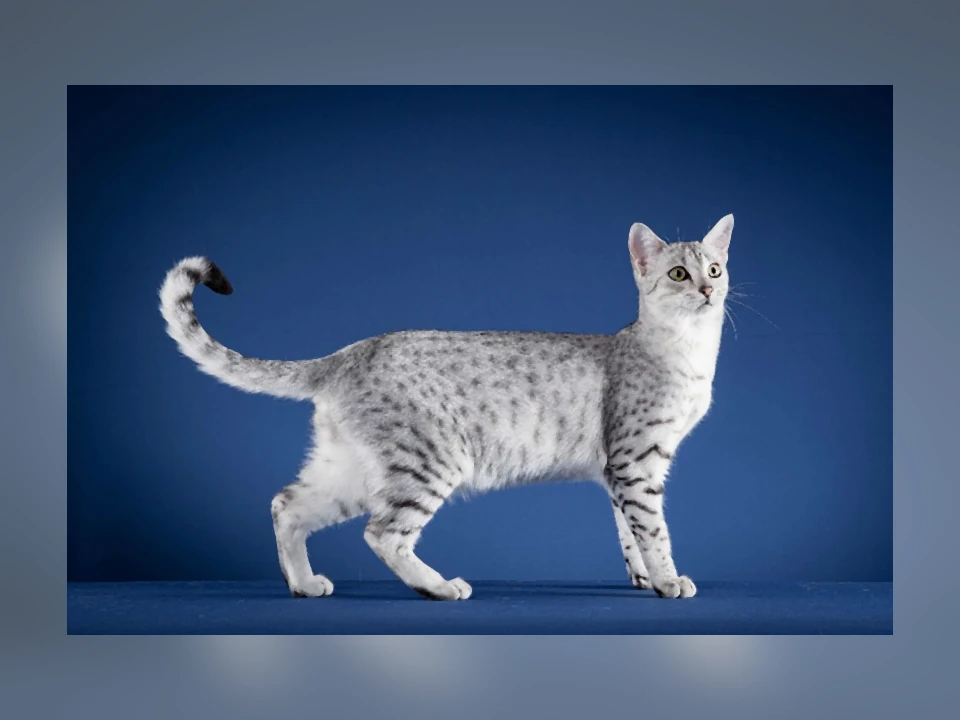
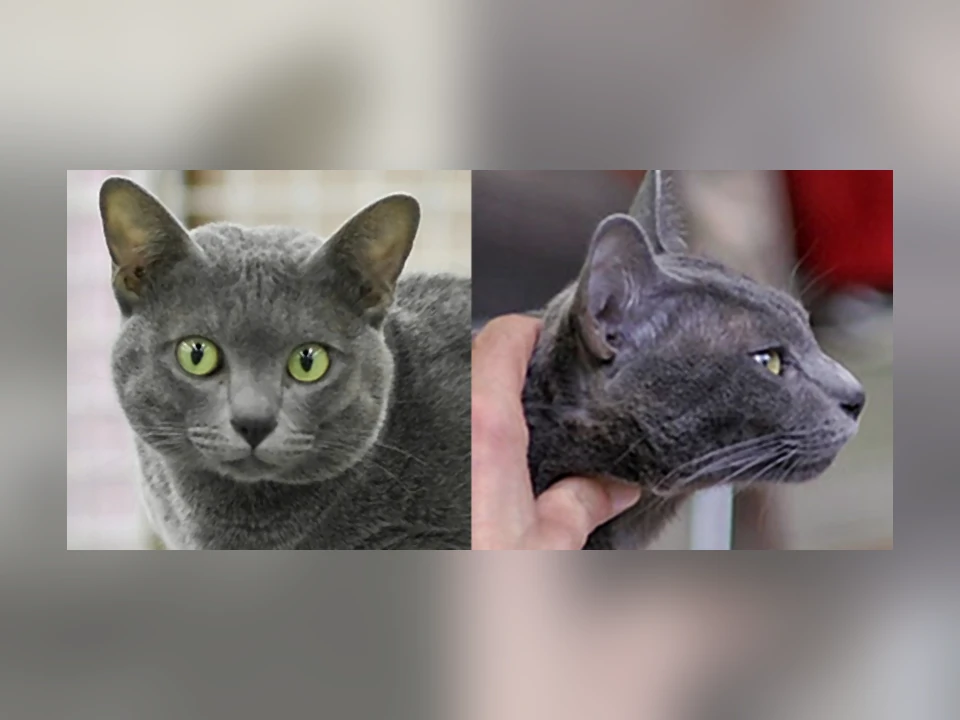
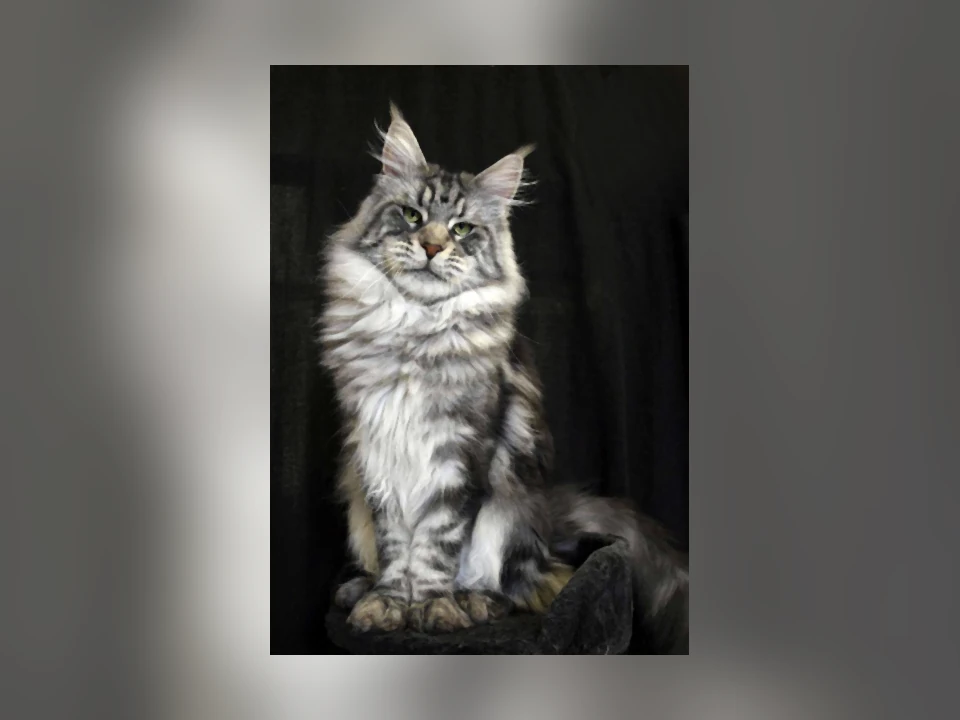
Scores are PetGrit's own 1–5 trait ratings, graded against breed-standard and veterinary sources. Browse the full breed dataset →
Sources & method
- PetGrit cat breed dataset — 1–5 vocalness ratings — Graded against breed-standard and veterinary sources, single-sourced from each profile.
- Veterinary guidance on changes in cat vocalization — Context for when increased vocalizing signals a health issue.
The short version
- The Siamese and Oriental Shorthair are the most vocal cat breeds, both scoring a full 5 out of 5 on our vocalness scale.
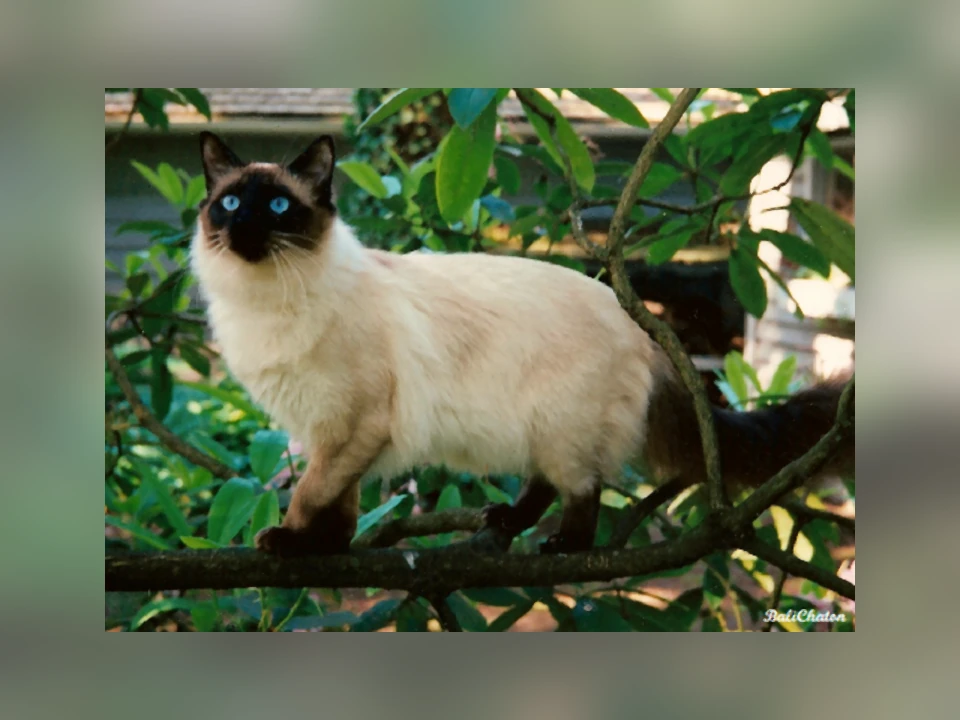
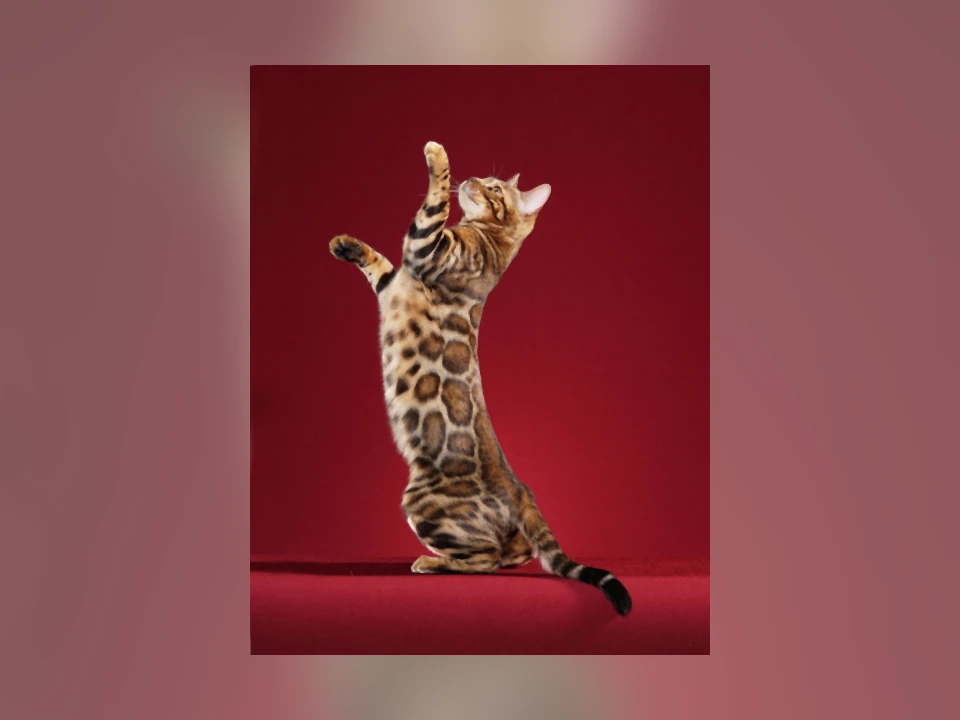
- The talkative trait runs in the Oriental family — Balinese, Tonkinese, and Burmese all rank near the top, alongside the chatty Bengal.
- Vocalness is a breed baseline; a sudden change in how much a cat 'talks' can be a health sign worth a vet visit.
Frequently asked questions
What is the most vocal cat breed?
The Siamese is the classic most-talkative cat, tied at the top of our vocalness scale with its close relative the Oriental Shorthair. Siamese and Oriental cats are famous for their loud, low-pitched, almost demanding 'voice' and their habit of holding ongoing conversations with their people. The Balinese, Tonkinese, Burmese, and Bengal are also notably chatty.
Why is my cat suddenly more vocal than usual?
A change from your cat's normal vocal baseline is worth paying attention to. Common medical causes of increased vocalizing include hyperthyroidism and high blood pressure (often in older cats), pain, and cognitive dysfunction, which can cause nighttime yowling in senior cats. A cat crying or straining in the litter box may have a urinary blockage, which is a life-threatening emergency. If a quiet cat becomes loud, especially with other changes, see a vet.
Are vocal cats harder to live with?
It depends entirely on you. Many people adore the constant 'conversation' of a Siamese or Oriental and find it endearing and companionable. Others — or their neighbors through thin apartment walls — find it tiring, particularly because these breeds can be loud and persistent when they want attention or food. If you value a quiet home, a talkative breed is a poor match; if you want an interactive, communicative cat, it's a feature.
Related reading
More rankings
Low-noise pet care
Get PetGrit care check-ins worth opening
New report workflows, calm checklists, and practical pet-care updates for dog and cat parents. No spam, no fear-selling. Unsubscribe anytime.
Prefer a personalized brief? Prepare a visit brief.