Longest-Living Cat Breeds
Cats already outlive most dogs, and some breeds routinely push past 18. Here are the longevity champions, straight from our breed data.
How we built it
Computed automatically from the typical-lifespan range on each PetGrit cat profile, ranked by the midpoint of that range. The figures come from the same breed-standard and veterinary sources the profiles cite.
Cats are long-lived animals — an indoor cat reaching its late teens is common, and a well-cared-for cat hitting 20 is no longer a rarity. Some breeds are especially hardy. This ranking is computed live from the typical lifespan on every cat profile in our dataset, sorted by the midpoint of each breed's range. Robust 'natural' breeds with deep, healthy gene pools tend to lead, while some highly inbred or flat-faced breeds sit lower.
Visit preparation
Bring your questions to the next visit
Add your own observations and questions in the visit tool. Rankings are not copied into the brief or used as a clinical assessment.
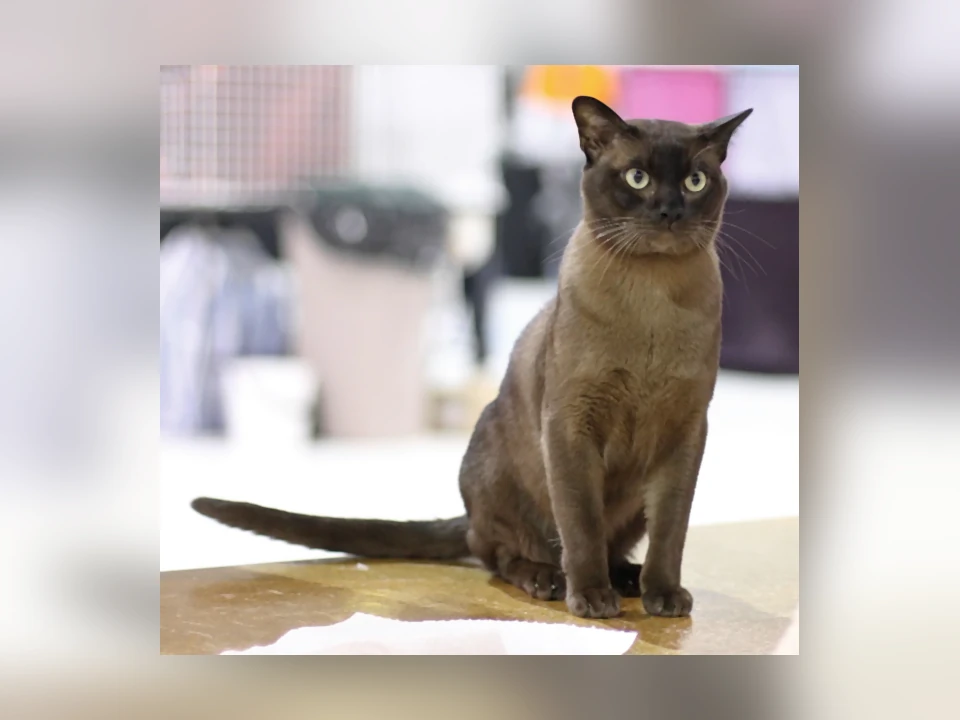
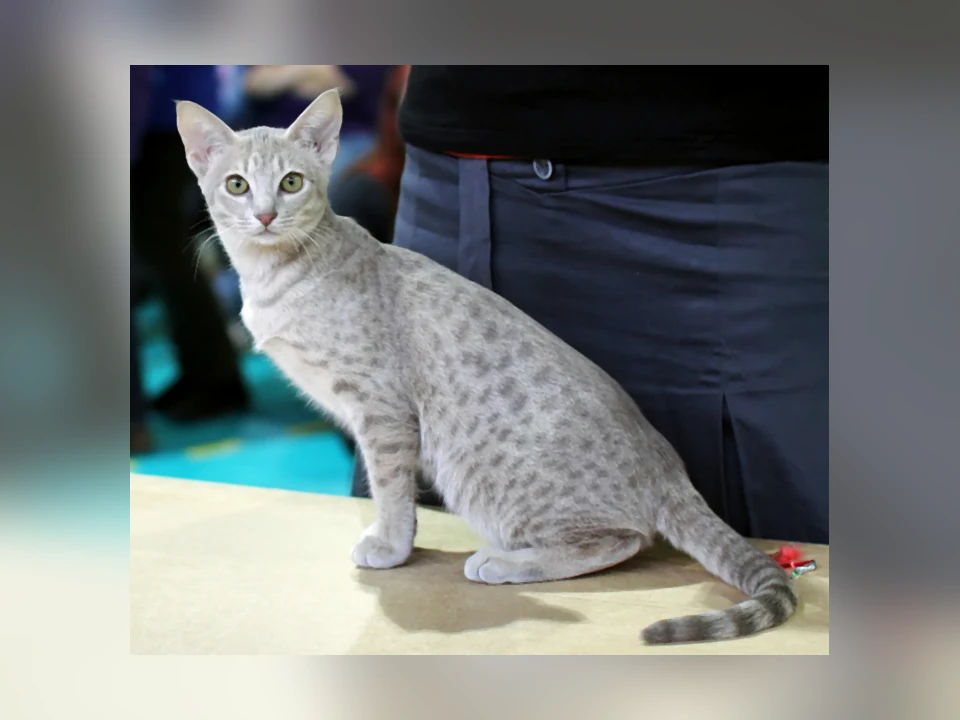
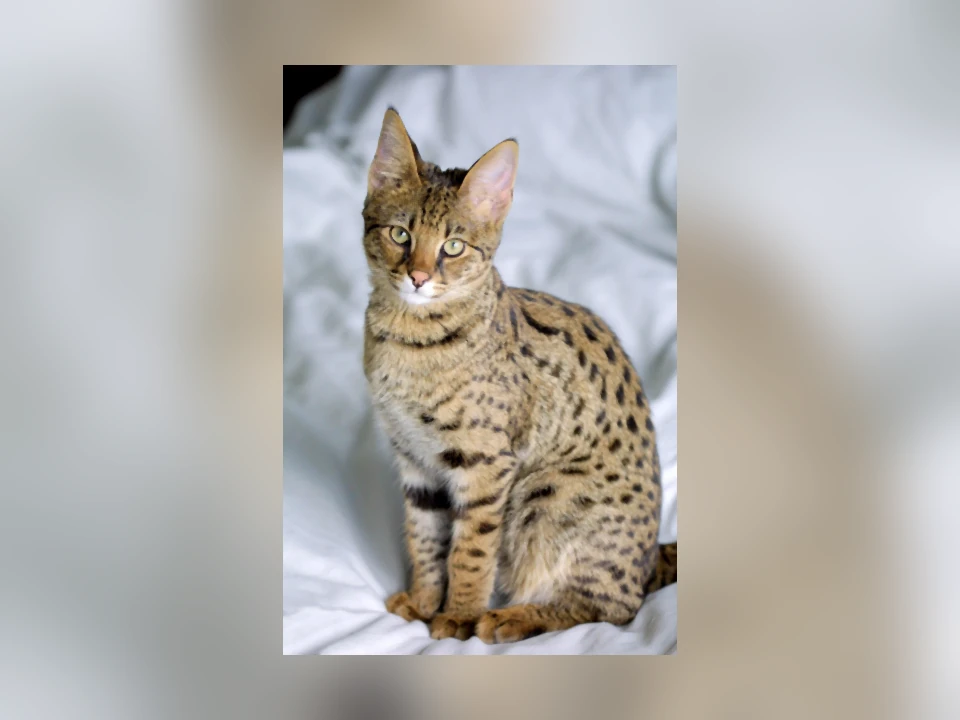
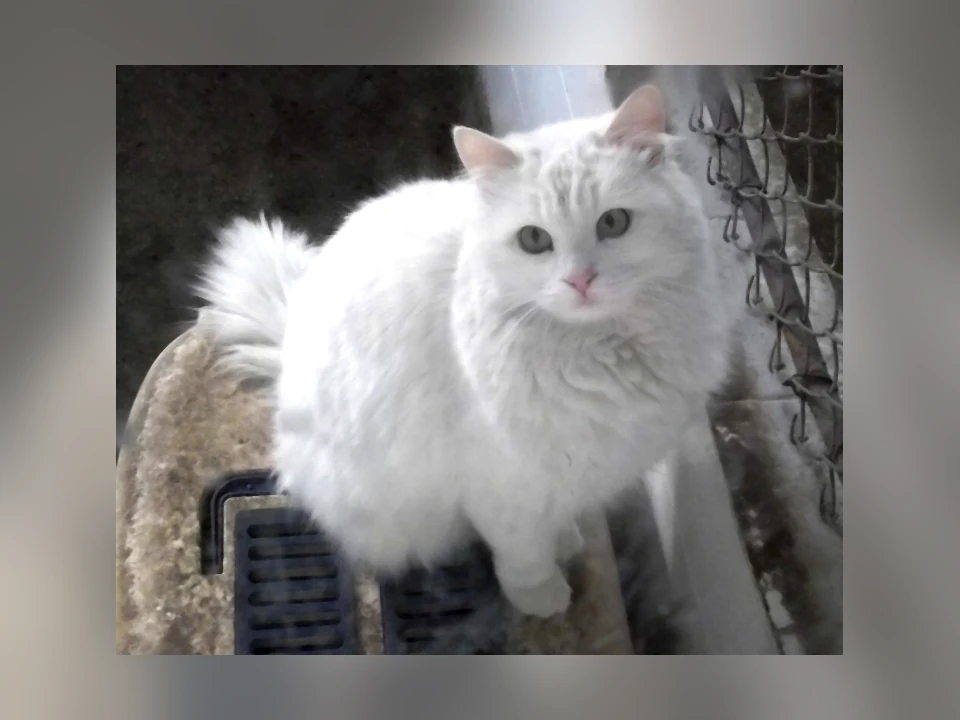
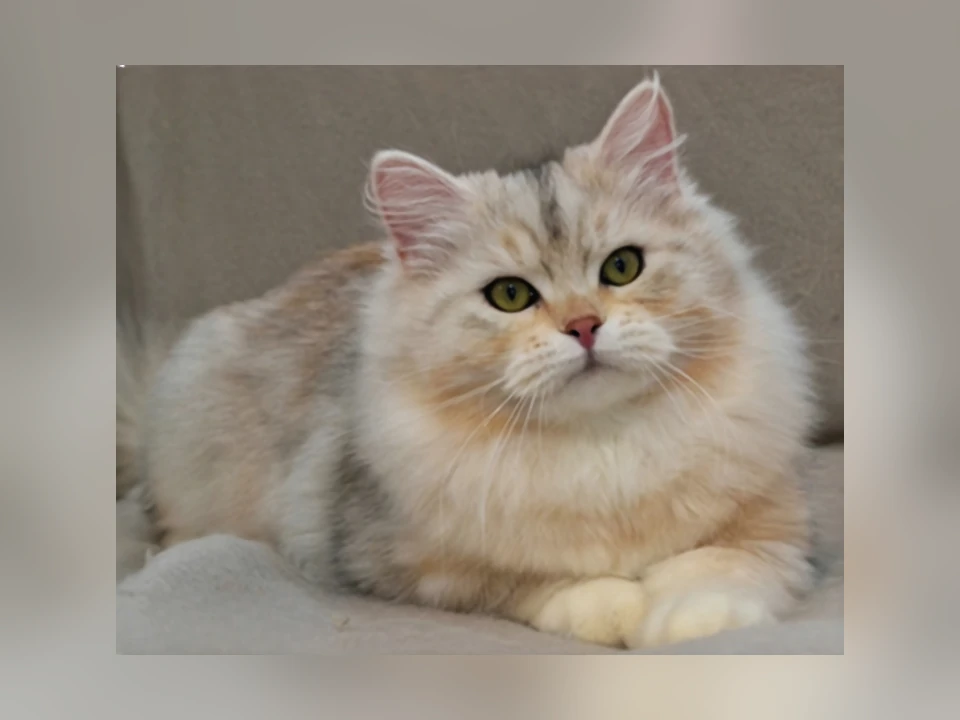
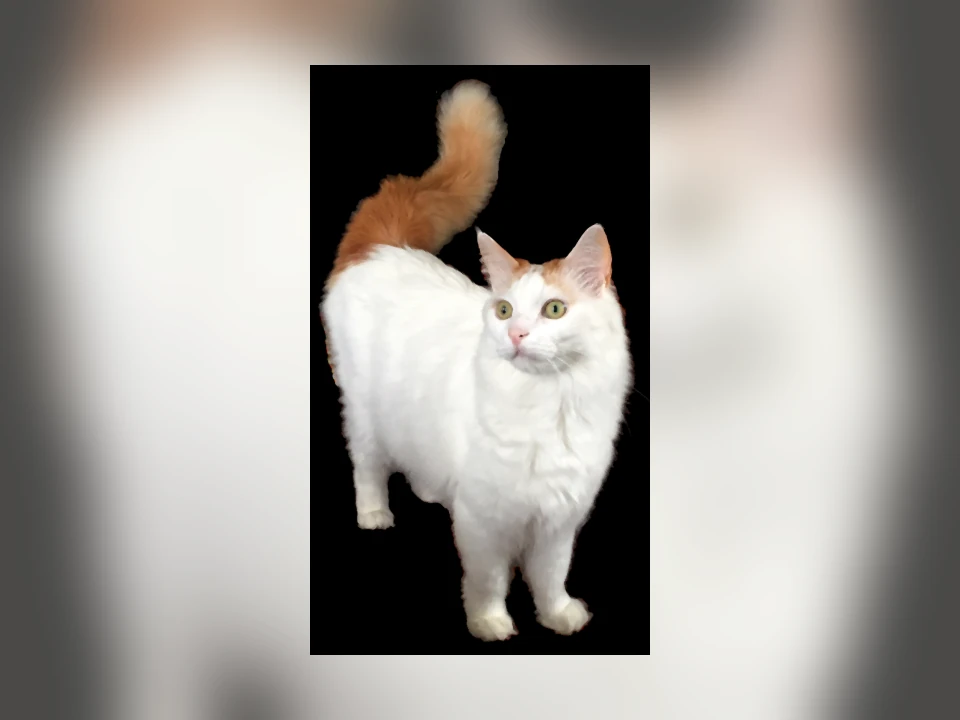
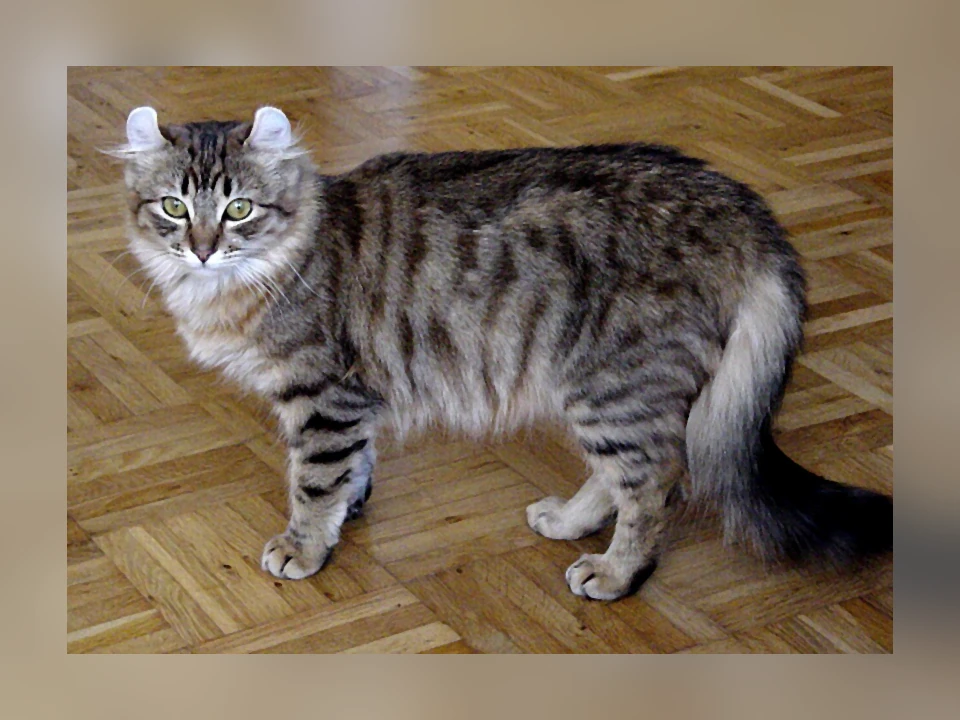
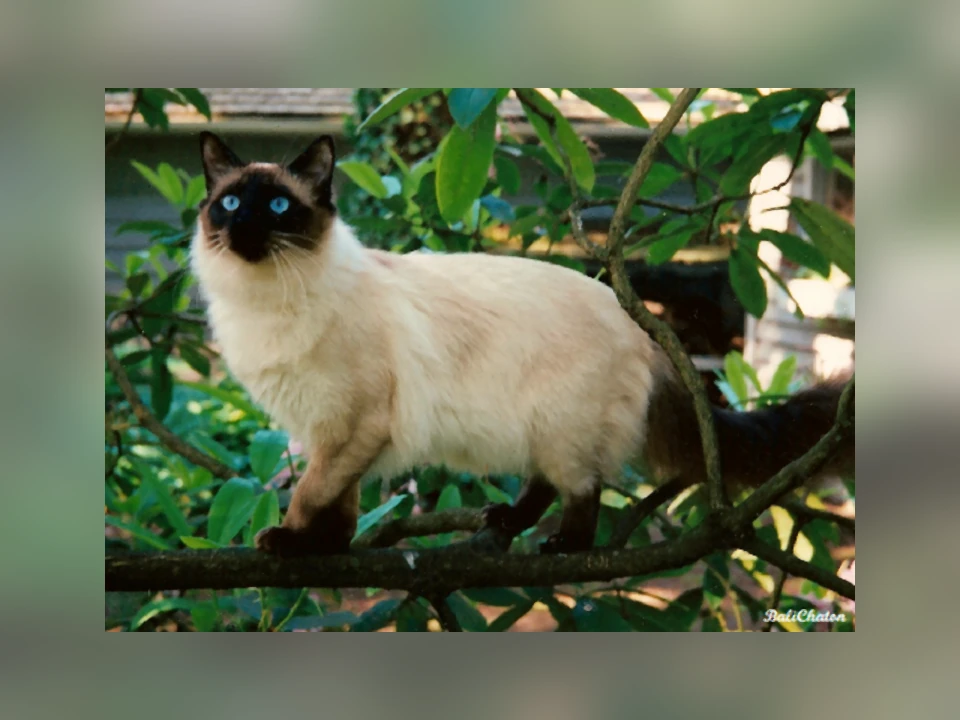
Scores are PetGrit's own 1–5 trait ratings, graded against breed-standard and veterinary sources. Browse the full breed dataset →
Free tool Dog & Cat Age Calculator Pet years to human years — the real curve, not the ×7 myth.Sources & method
- PetGrit cat breed dataset — typical lifespan per breed — Drawn from breed-standard and veterinary sources cited on each profile.
- Veterinary guidance on indoor living and cat longevity — Context for the large lifespan gap between indoor and roaming cats.
The short version
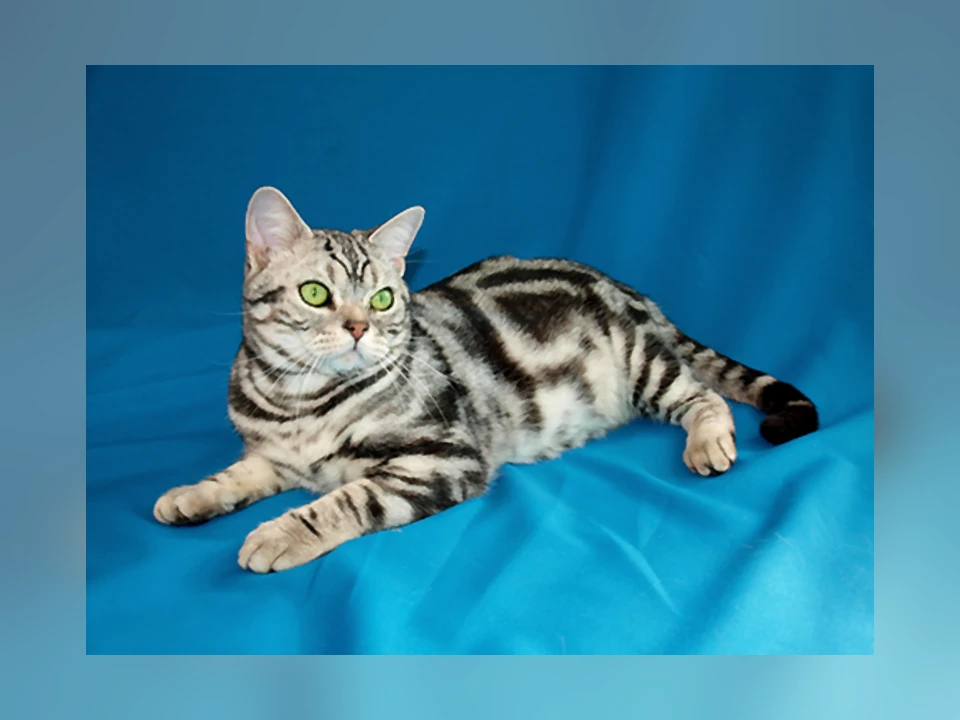
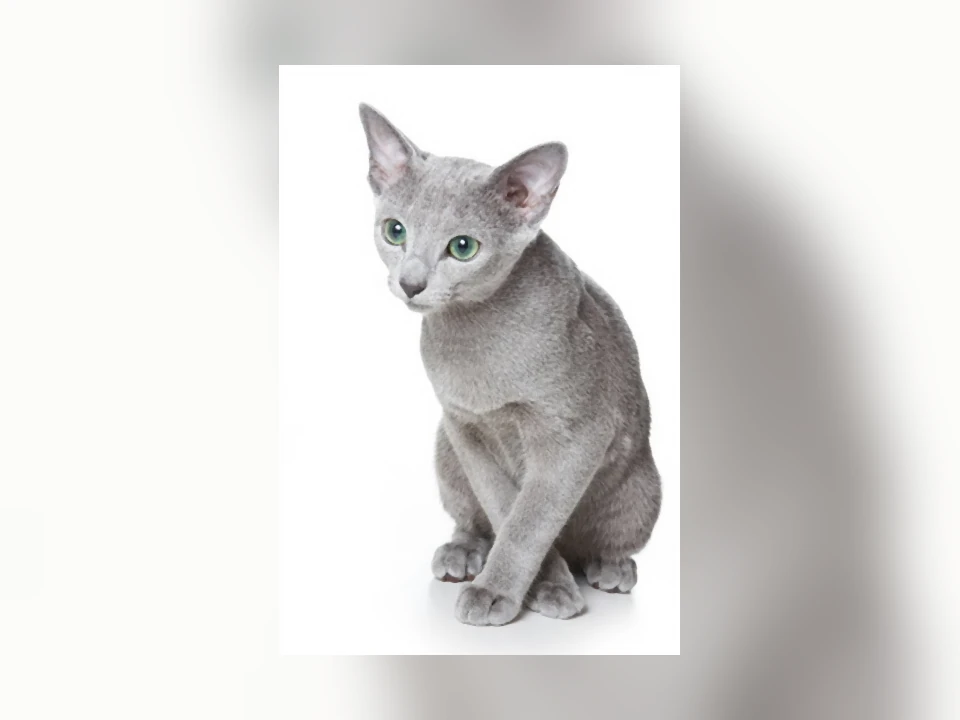
- Hardy natural breeds like the American Shorthair and Russian Blue top the list, with typical ranges reaching 15–20 years.
- Many sturdy, less-engineered breeds cluster around 12–18 years — cats are simply long-lived compared with dogs.
- Whatever the breed, keeping a cat indoors is the single biggest thing you can do for its lifespan.
Frequently asked questions
Which cat breeds live the longest?
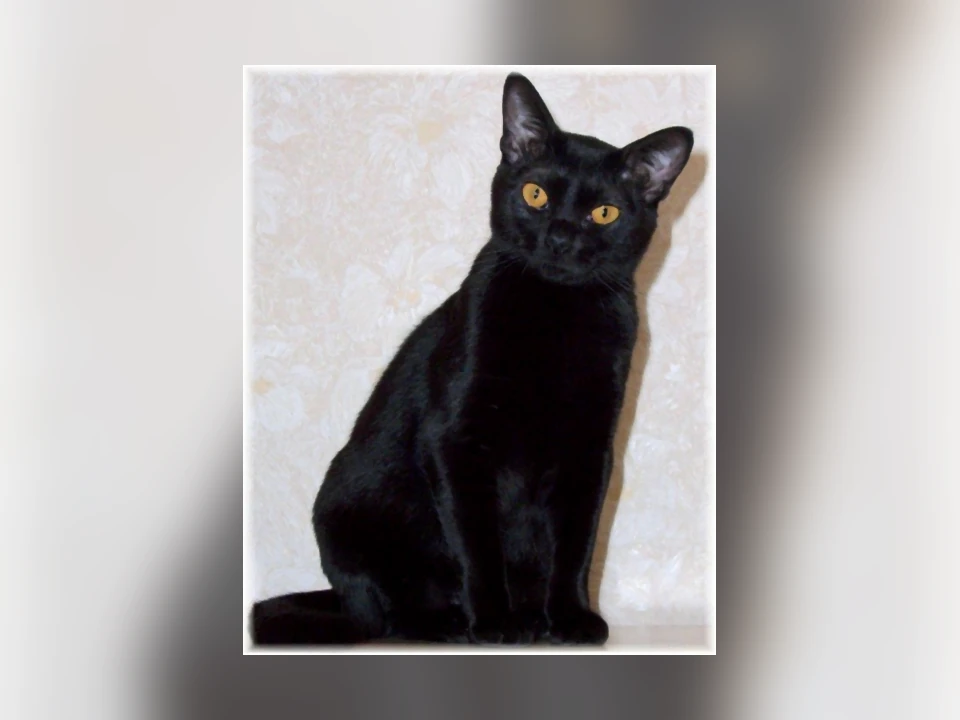
Robust natural breeds tend to live longest. In our dataset, the American Shorthair and Russian Blue lead with typical ranges of about 15–20 years, and many other hardy breeds — Burmese, Bombay, Siamese relatives, and several naturals — commonly reach 15–18. Cats as a whole are long-lived, so even 'average' breeds often hit their mid-to-late teens with good care.
How long do indoor cats live compared with outdoor cats?
The difference is dramatic. Indoor cats commonly live 13–17 years and often into their late teens or twenties, while cats allowed to roam outdoors frequently live only a few years because of traffic, predators, disease, and fights. Keeping a cat indoors (or in a secure catio) is the single most effective thing you can do to extend its life, regardless of breed.
What helps a cat live a long, healthy life?
Beyond keeping them indoors: feed an appropriate diet and keep them lean, since obesity drives diabetes and joint disease; stay on top of dental care, a major and often-missed health issue in cats; keep up with vaccines and parasite prevention; and see a vet promptly for changes in drinking, eating, or litter-box habits, which are often the first signs of kidney or thyroid disease in older cats.
Related reading
More rankings
Low-noise pet care
Get PetGrit care check-ins worth opening
New report workflows, calm checklists, and practical pet-care updates for dog and cat parents. No spam, no fear-selling. Unsubscribe anytime.
Prefer a personalized brief? Prepare a visit brief.