Smallest Dog Breeds by Weight
The Chihuahua tops out around six pounds. Here are the smallest breeds on earth — and why tiny dogs aren't automatically low-maintenance.

How we built it
Computed automatically from the breed-standard adult-weight range on each PetGrit dog profile, ranked by the lowest top-of-range weight (so the breeds that stay smallest rank first).
At the other end of the scale are the toy and teacup-marketed breeds — pocket-sized companions bred for laps, not labor. This ranking is computed live from the breed-standard adult weight on every dog profile in our dataset, ordered by how light each breed stays at the top of its range. Small dogs travel easily, fit apartments, and live a long time — but 'small' is not the same as 'easy,' and the tiniest breeds come with their own fragilities.
Visit preparation
Bring your questions to the next visit
Add your own observations and questions in the visit tool. Rankings are not copied into the brief or used as a clinical assessment.
- 5
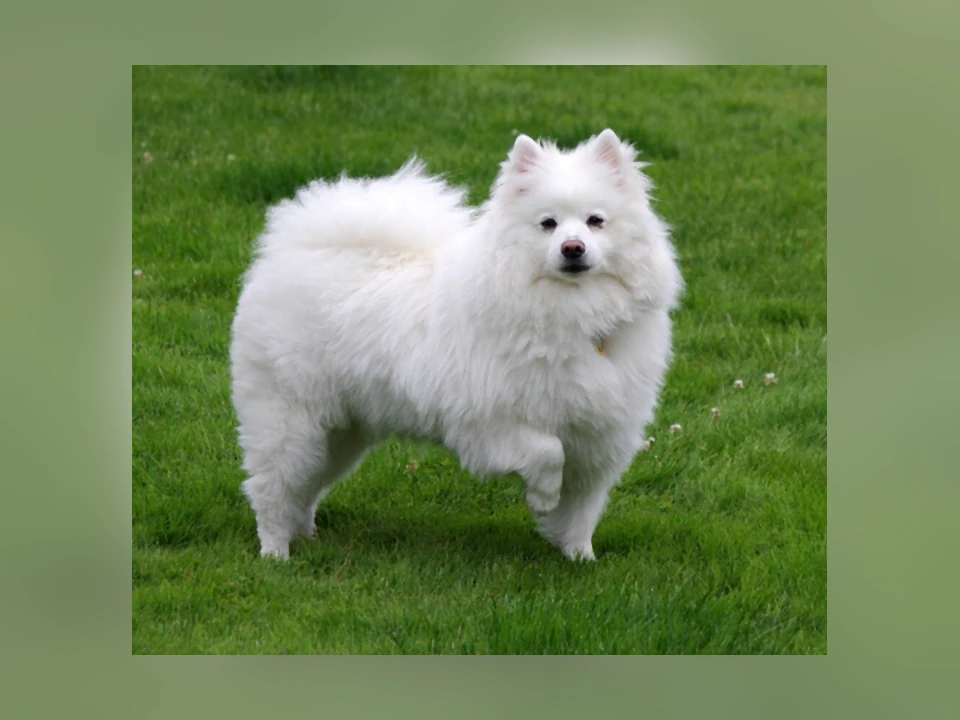 6–10 lb
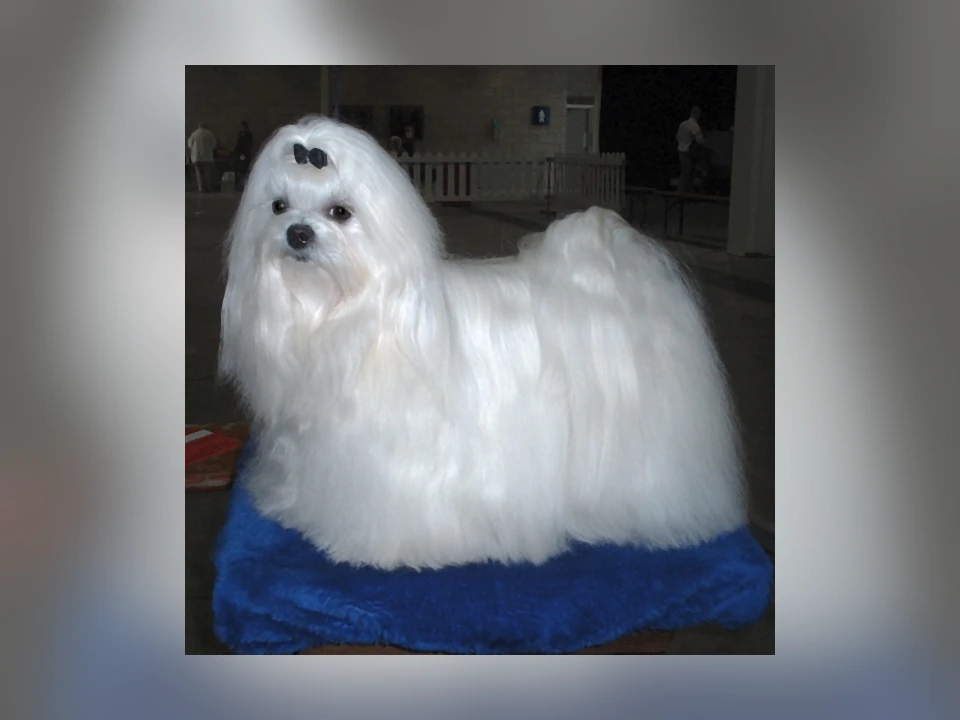
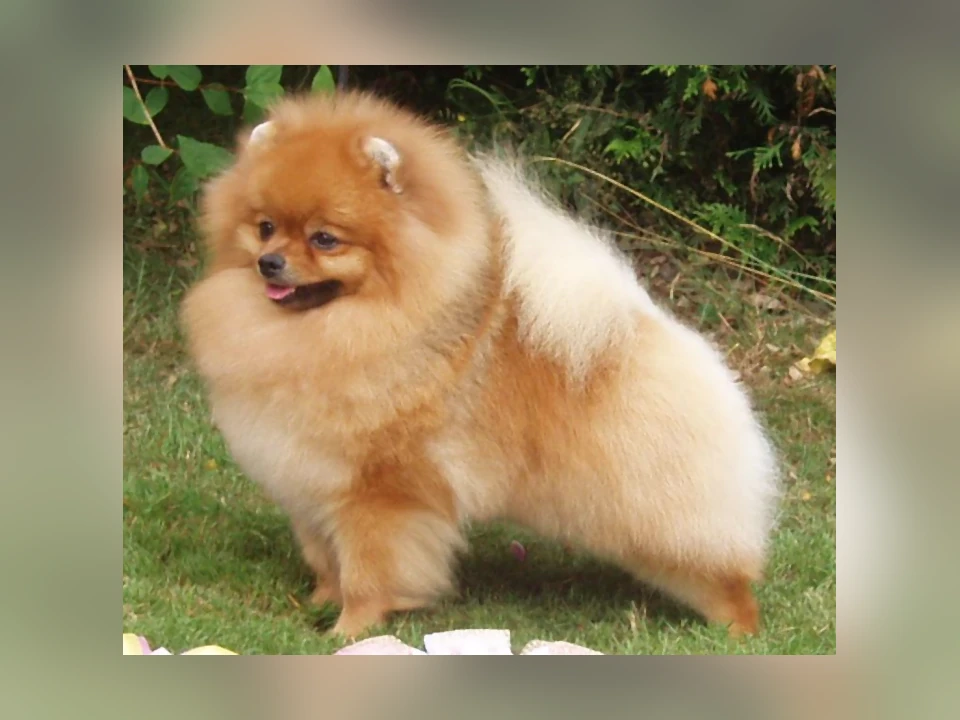
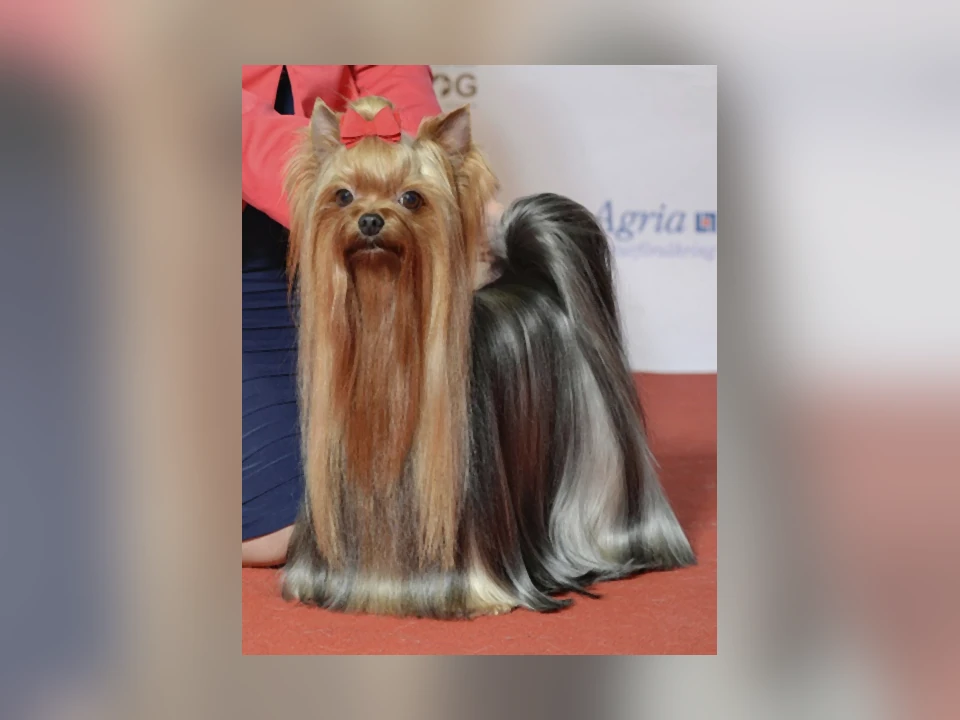
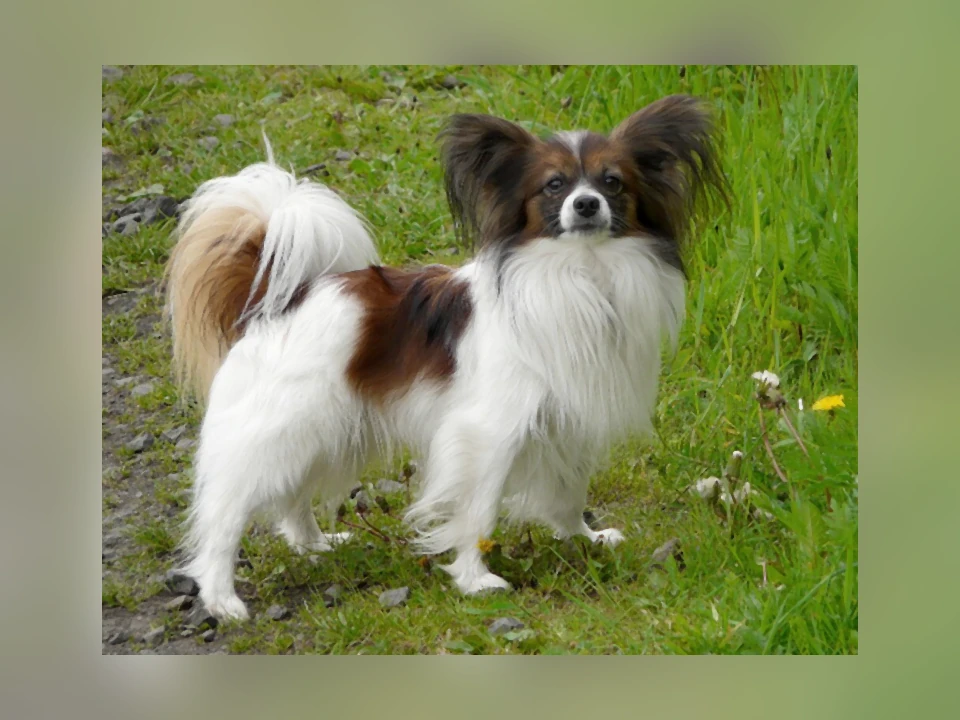

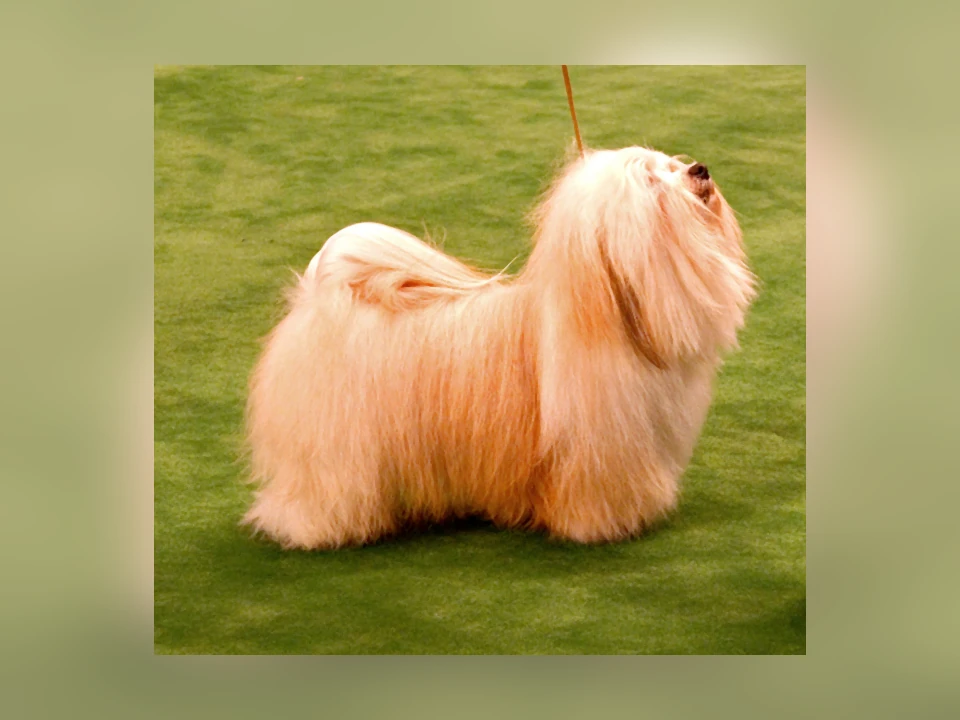
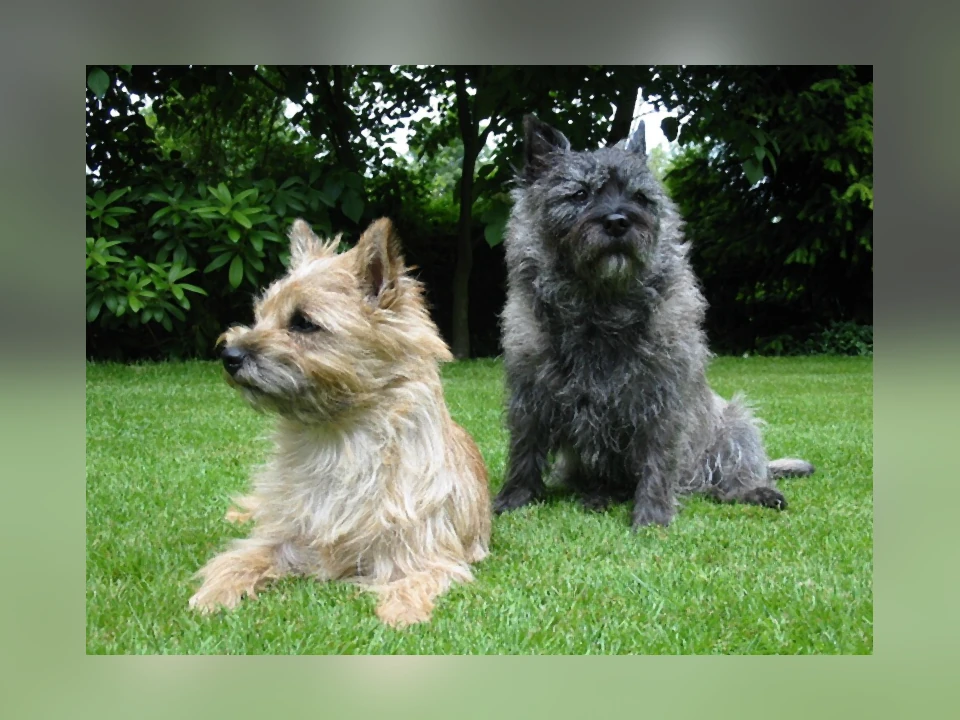
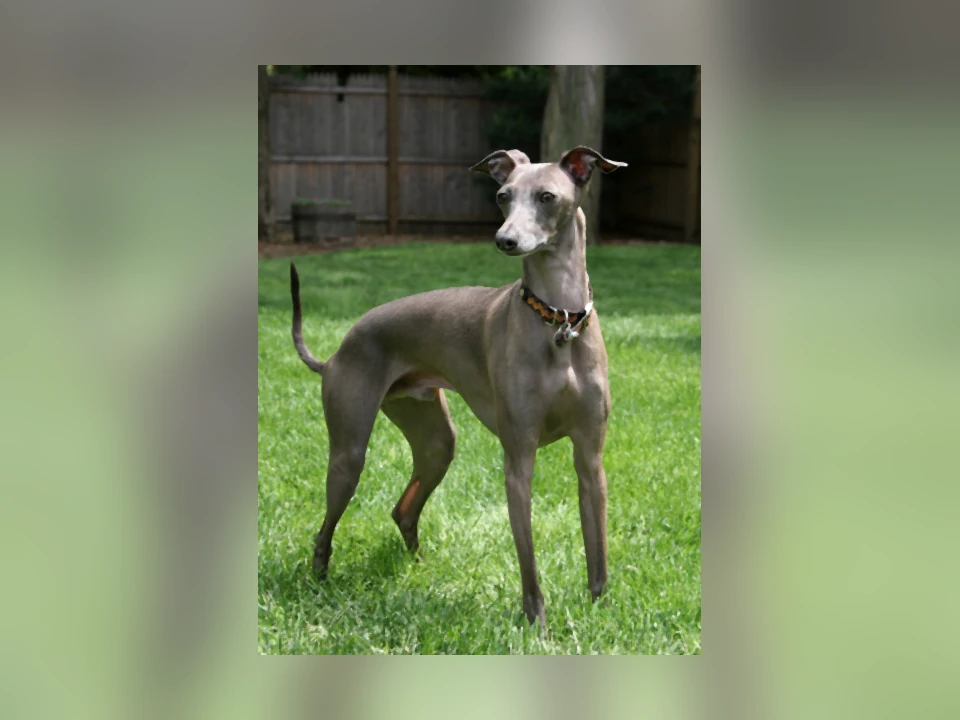
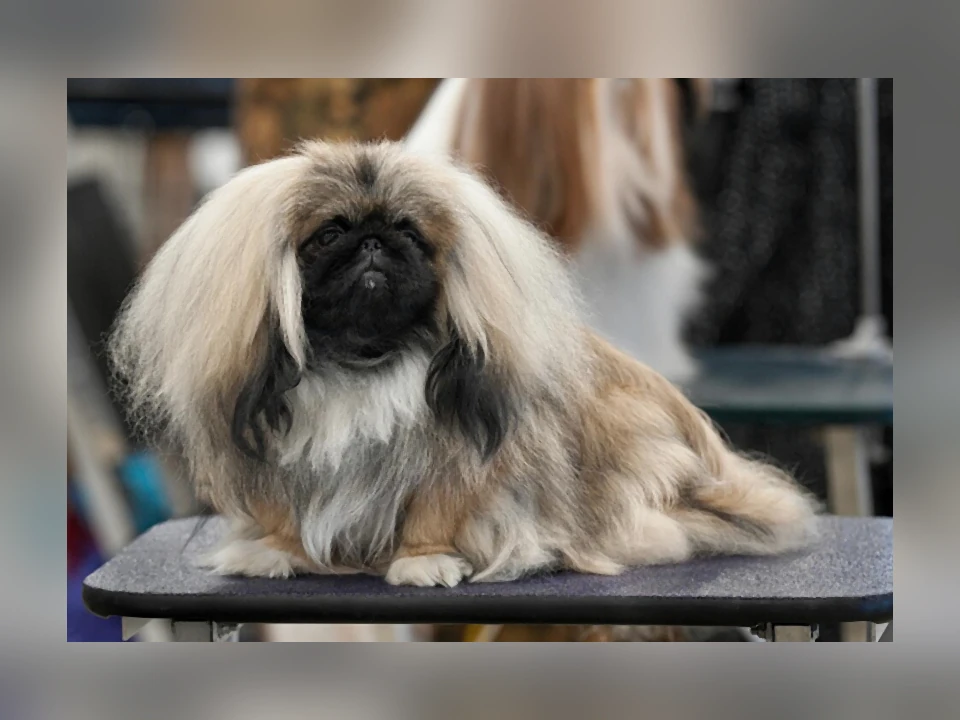
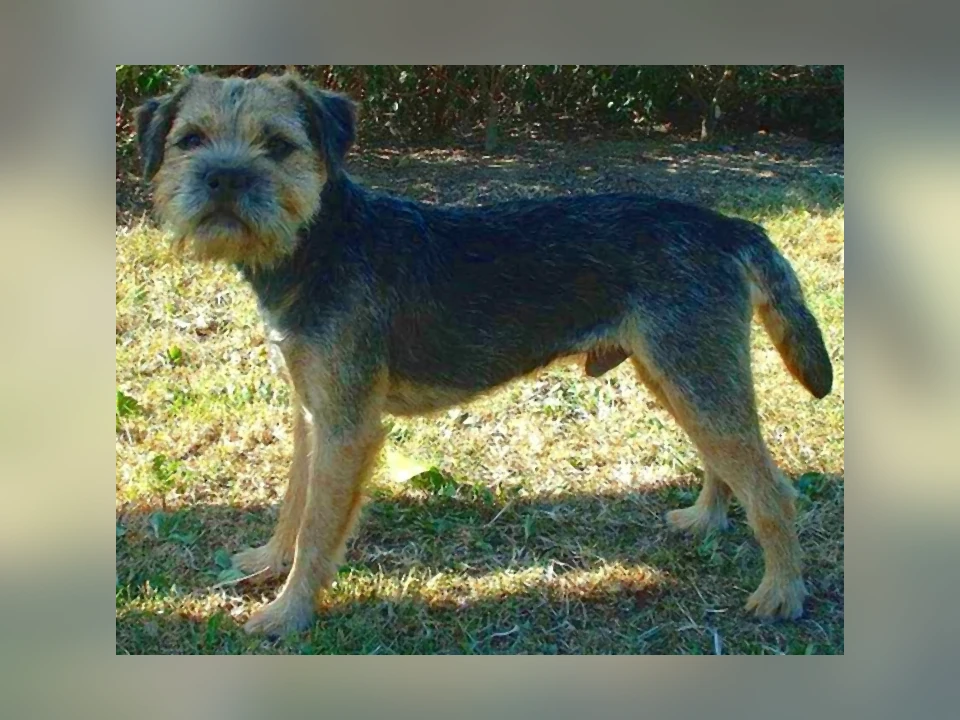
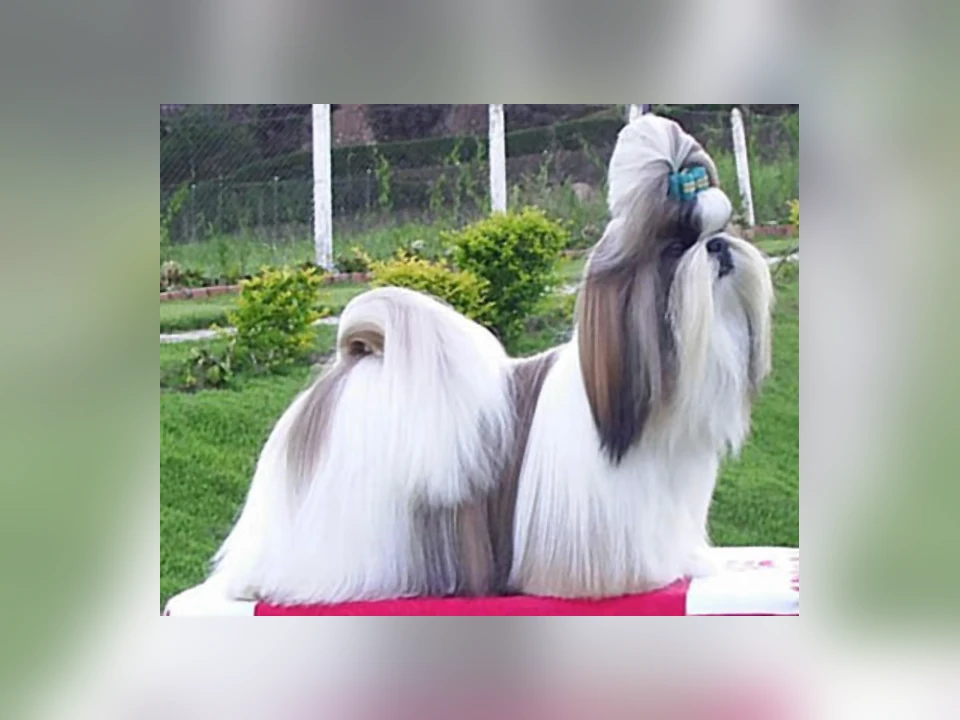

Scores are PetGrit's own 1–5 trait ratings, graded against breed-standard and veterinary sources. Browse the full breed dataset →
Free tool Puppy Adult Weight Predictor Estimate your puppy’s adult weight from current weight and age.Sources & method
- PetGrit breed dataset — breed-standard adult weight per breed — Drawn from breed-standard sources cited on each profile.
- Veterinary guidance on toy-breed health (dental, hypoglycemia, patellas) — Context for the care realities of very small dogs.
The short version
- The Chihuahua is the smallest dog breed by weight, typically topping out around 6 pounds, with the Maltese, Pomeranian, and Yorkshire Terrier close behind.
- Almost every breed at the top is a Toy-group companion dog bred purely for human company.
- Small breeds live long but come with fragility, dental issues, and (as puppies) blood-sugar risks — and they still need training and exercise.
Frequently asked questions
What is the smallest dog breed?
The Chihuahua is the smallest recognized dog breed by weight, with a breed standard that caps it at around 6 pounds. The Maltese, Pomeranian, and Yorkshire Terrier are the next tiniest, all typically staying under about 7 pounds. 'Teacup' versions advertised as even smaller aren't a separate breed — they're often undersized dogs bred for extreme smallness, with more health problems.
Are small dogs easier to take care of?
In some ways yes — they eat less, need less space, and are easy to transport — but small dogs are not low-effort. They're physically fragile and easily hurt by falls, rough play, or being stepped on; they're prone to dental disease because of crowded teeth; and toy puppies can develop dangerous low blood sugar if they don't eat often enough. Many also bark a lot and need just as much training and socialization as a big dog.
Are 'teacup' dogs a real breed?
No. 'Teacup', 'micro', and similar labels aren't recognized breeds or sizes — they're marketing terms for unusually small dogs, often the runts or the products of breeding deliberately for extreme smallness. That practice is linked to higher rates of health problems including fragile bones, heart defects, liver shunts, and hypoglycemia. Be cautious of any breeder selling 'teacup' puppies at a premium.
Related reading
More rankings
Low-noise pet care
Get PetGrit care check-ins worth opening
New report workflows, calm checklists, and practical pet-care updates for dog and cat parents. No spam, no fear-selling. Unsubscribe anytime.
Prefer a personalized brief? Prepare a visit brief.