Highest-Energy Dog Breeds
These breeds aren't 'a bit active' — they need hours of real work every day. A reality check before you fall for that gorgeous, tireless dog.
How we built it
Computed automatically from PetGrit's 1–5 energy rating on each dog profile (1 = very low energy, 5 = very high), sorted highest first. Ratings are graded against breed-standard and veterinary sources; the full top-scoring tier is listed alphabetically.
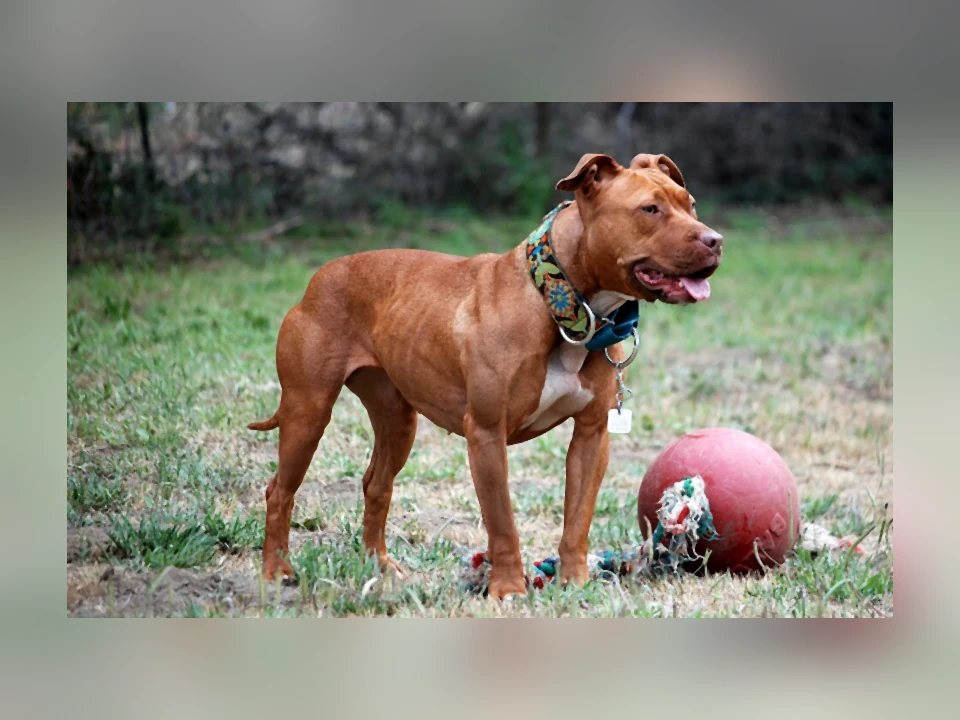
Some dogs are born athletes that need a genuine outlet, not a stroll around the block. This ranking is computed live from PetGrit's 1–5 energy rating on every dog profile, highest first — the working, herding, and sporting breeds with the deepest stamina. They make incredible partners for runners, hikers, and dog-sport homes, and they're the breeds most likely to be miserable (and destructive) in the wrong household. Read this as a warning label as much as a wish list.
Visit preparation
Bring your questions to the next visit
Add your own observations and questions in the visit tool. Rankings are not copied into the brief or used as a clinical assessment.
- 1 5/5
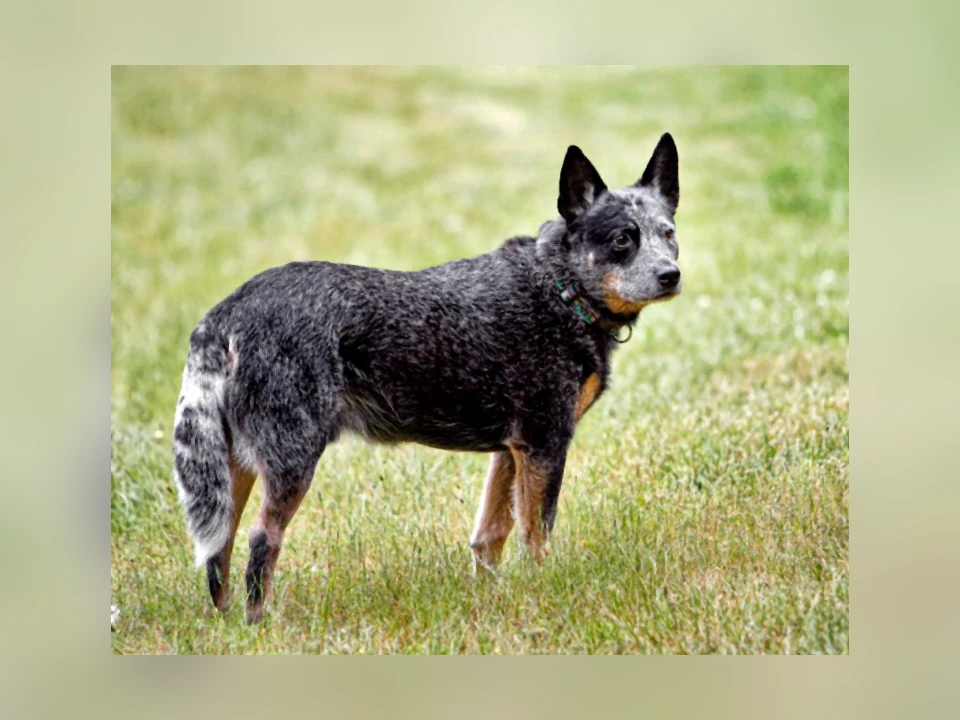
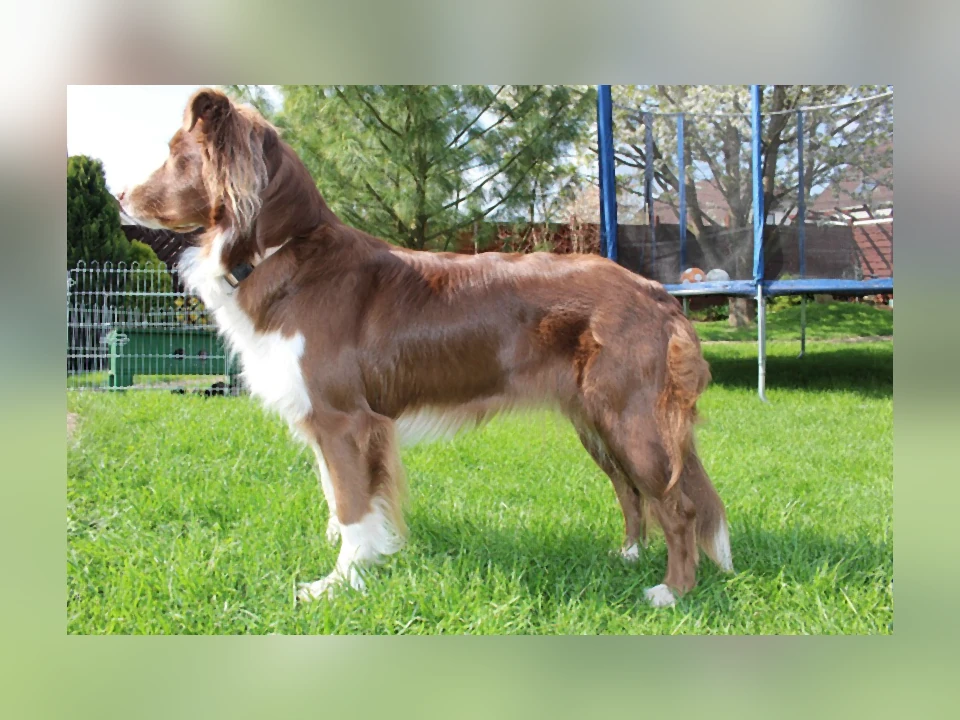
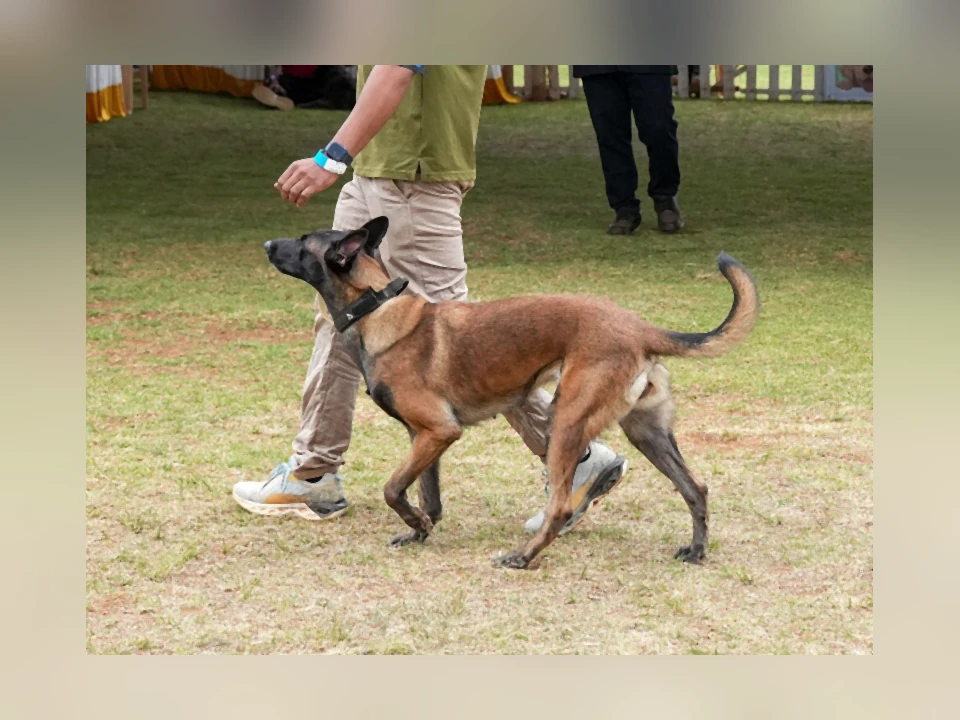
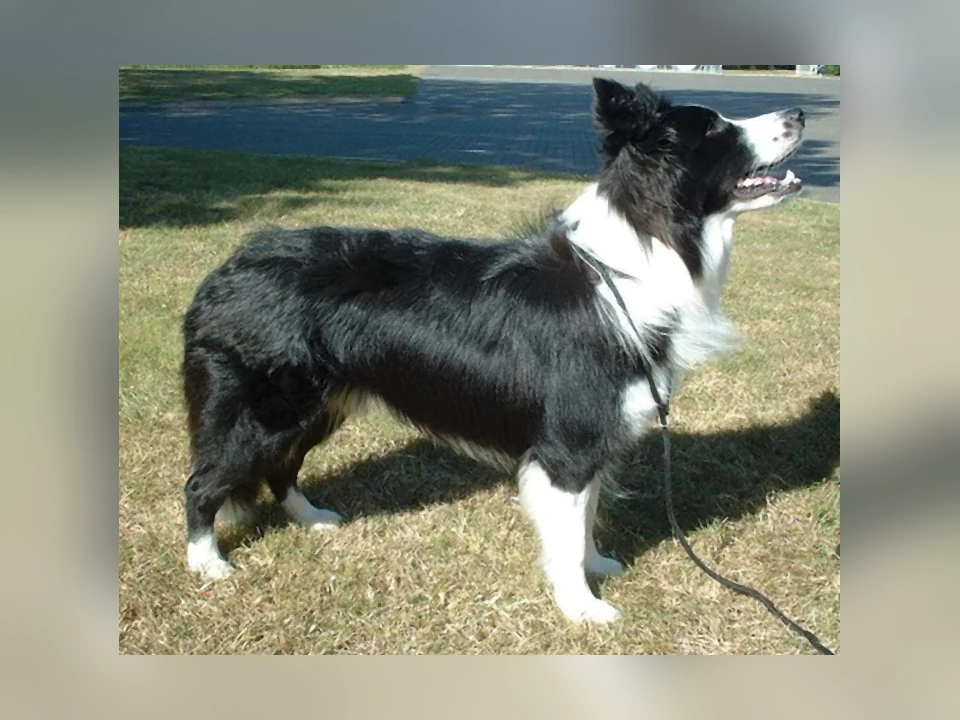
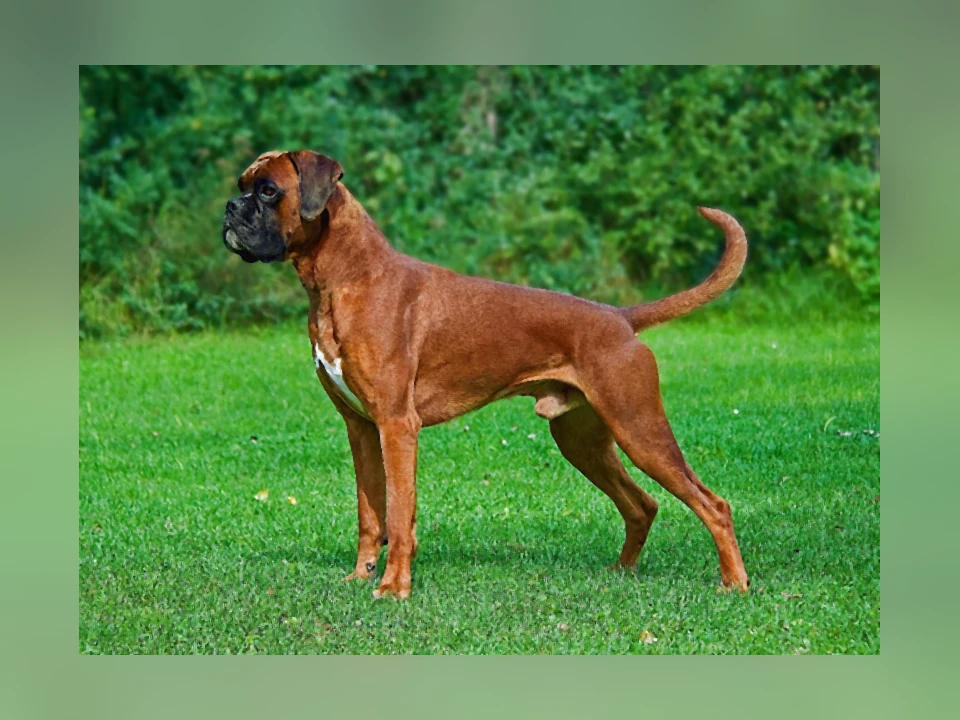
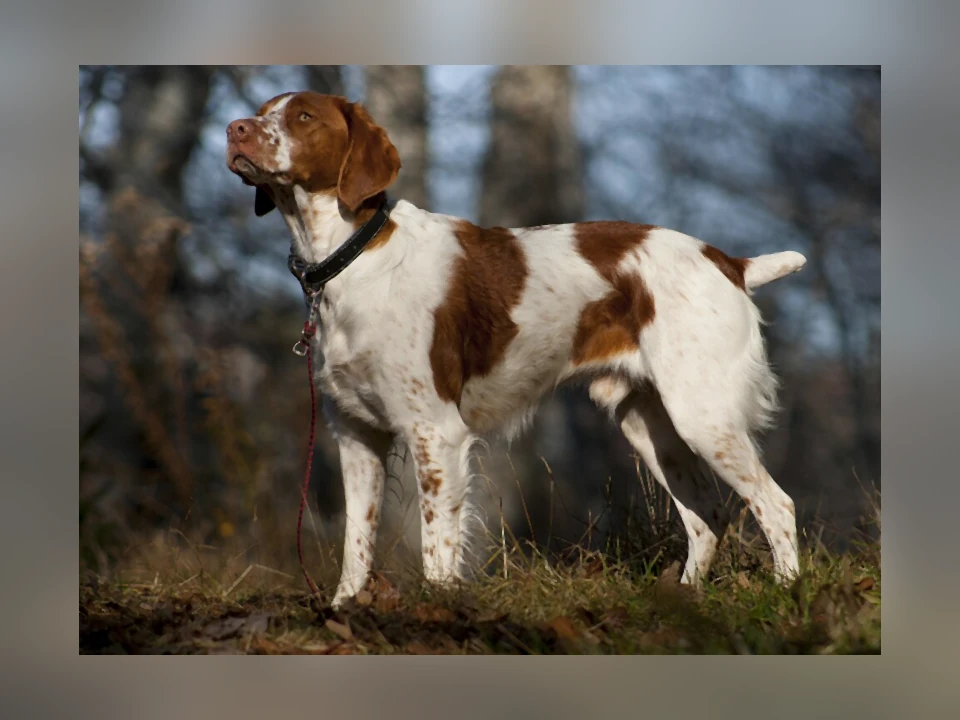

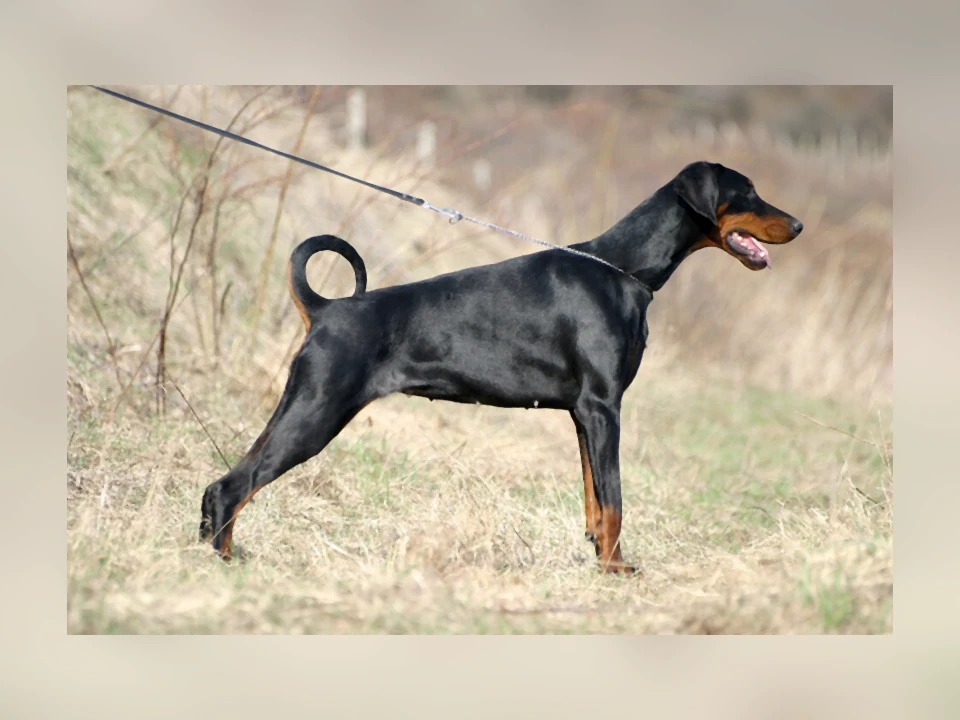
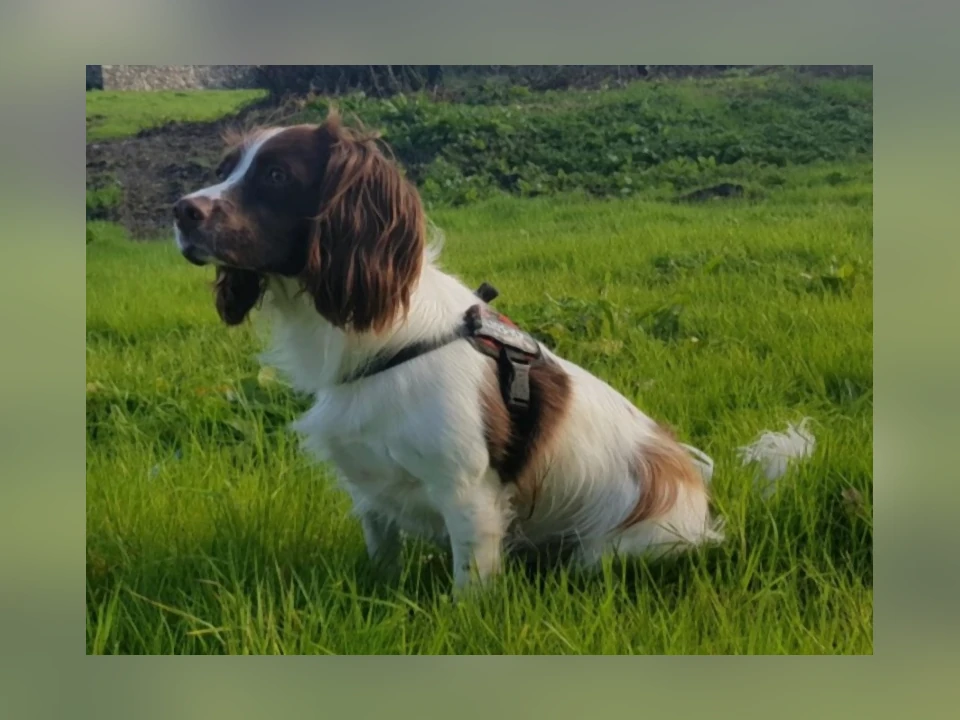
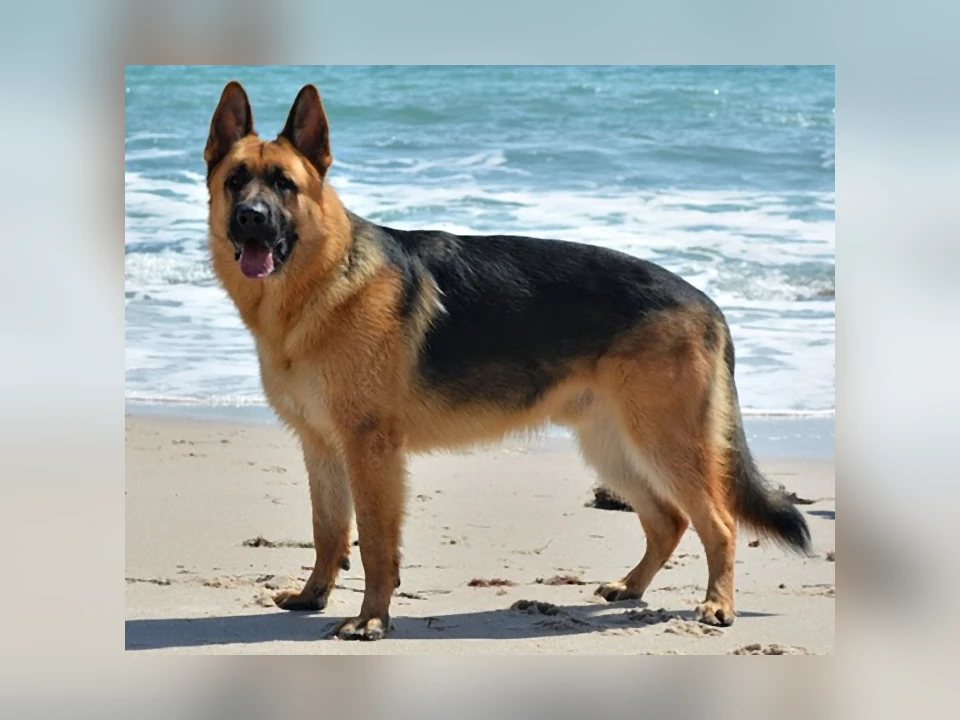
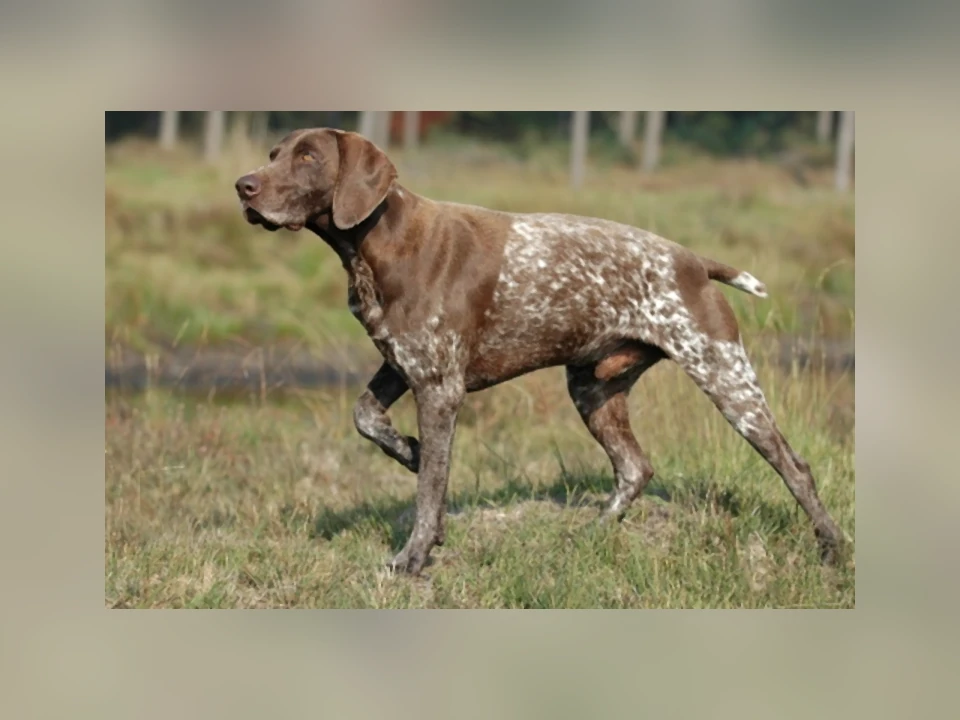
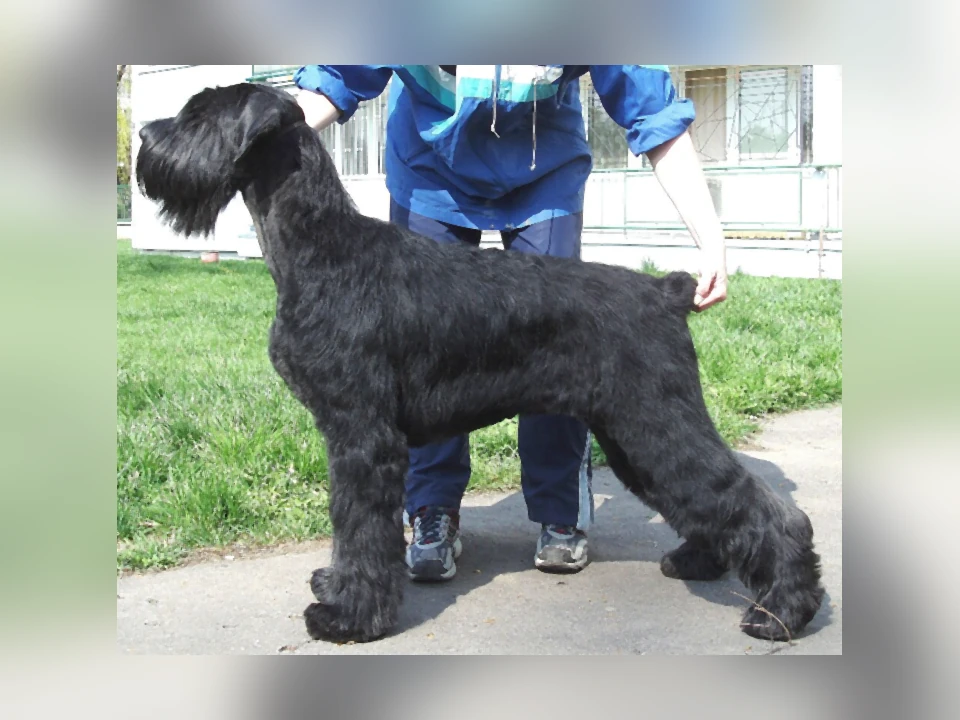
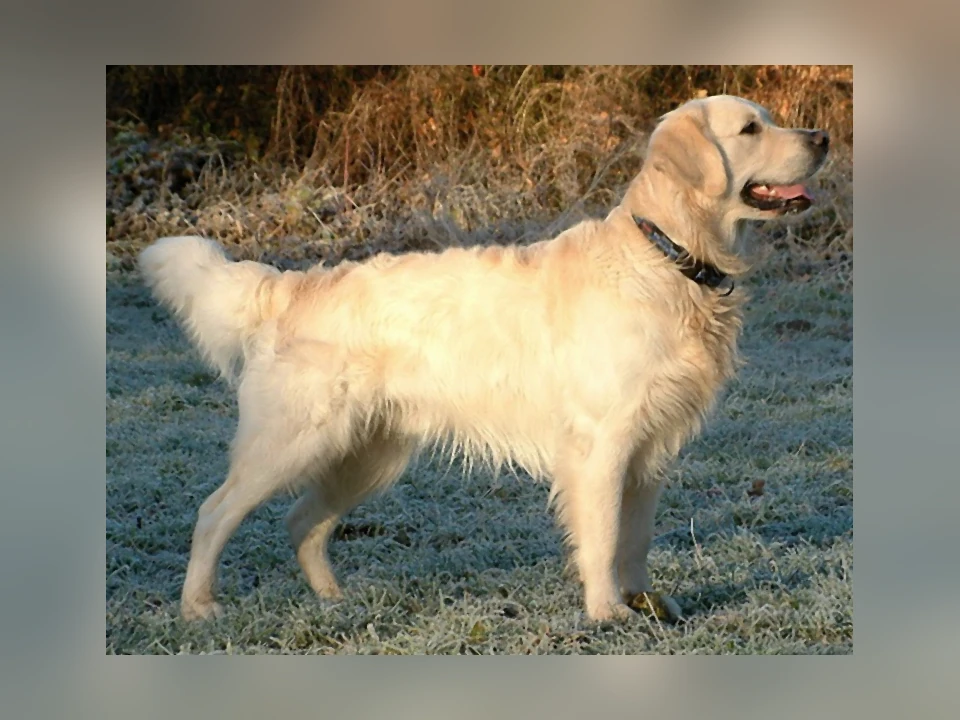

Scores are PetGrit's own 1–5 trait ratings, graded against breed-standard and veterinary sources. Browse the full breed dataset →
Sources & method
- PetGrit breed dataset — 1–5 energy ratings — Graded against breed-standard and veterinary sources, single-sourced from each profile.
- Breed-standard descriptions of working drive and exercise needs — Context for why herding, working, and sporting breeds rate highest.
The short version
- The highest-energy breeds score 5 out of 5 — herding and sporting dogs like the Border Collie, Australian Shepherd, Belgian Malinois, and German Shorthaired Pointer.
- These dogs need hours of daily exercise plus a real mental outlet; a walk is nowhere near enough.
- Under-exercised high-energy dogs are the classic source of barking, anxiety, and destruction — and a big reason they end up in rescue.
Frequently asked questions
What is the highest-energy dog breed?
Several breeds tie at the top of our energy scale, all herding, working, or sporting dogs: the Border Collie, Australian Shepherd, Australian Cattle Dog, Belgian Malinois, German Shorthaired Pointer, Jack Russell Terrier, and Dalmatian all score a maximum 5/5. The Border Collie is the most famous example — it was bred to work livestock all day and genuinely needs hours of activity plus a job to be content.
How much exercise do high-energy dogs need?
Plan on one to two hours of real physical activity every single day — running, hiking, fetch, swimming, or a dog sport — plus separate mental work like training, scent games, or puzzle feeders. Crucially, physical exercise alone isn't enough for these breeds; the mental outlet matters just as much. A tired body and a bored brain still adds up to a frustrated dog.
Are high-energy dogs good for first-time owners or apartments?
Usually not. The breeds at the top of this list are demanding even for experienced, active owners, and they tend to struggle in apartments or households where everyone's out at work. They're a wonderful match if your life is genuinely built around activity — daily runs, a yard, dog sports — but choosing one for the looks and hoping to fit the exercise in 'somehow' is how both dog and owner end up miserable.
Related reading
More rankings
Low-noise pet care
Get PetGrit care check-ins worth opening
New report workflows, calm checklists, and practical pet-care updates for dog and cat parents. No spam, no fear-selling. Unsubscribe anytime.
Prefer a personalized brief? Prepare a visit brief.