Best Dogs for Seniors (Ranked by Fit)
Calm, small-to-medium companions ranked by fit for older owners. See the honest trade-offs — especially for flat-faced breeds — and why an adult shelter dog often wins.
How we built it
A composite 'fit' score computed from PetGrit's 1–5 trait ratings for energy, weight, friendliness, grooming ease, and trainability — weighted toward low energy and small-to-medium size. A breed tagged as good with seniors gets a bonus. The exact weighting is shown in the breakdown above the list.
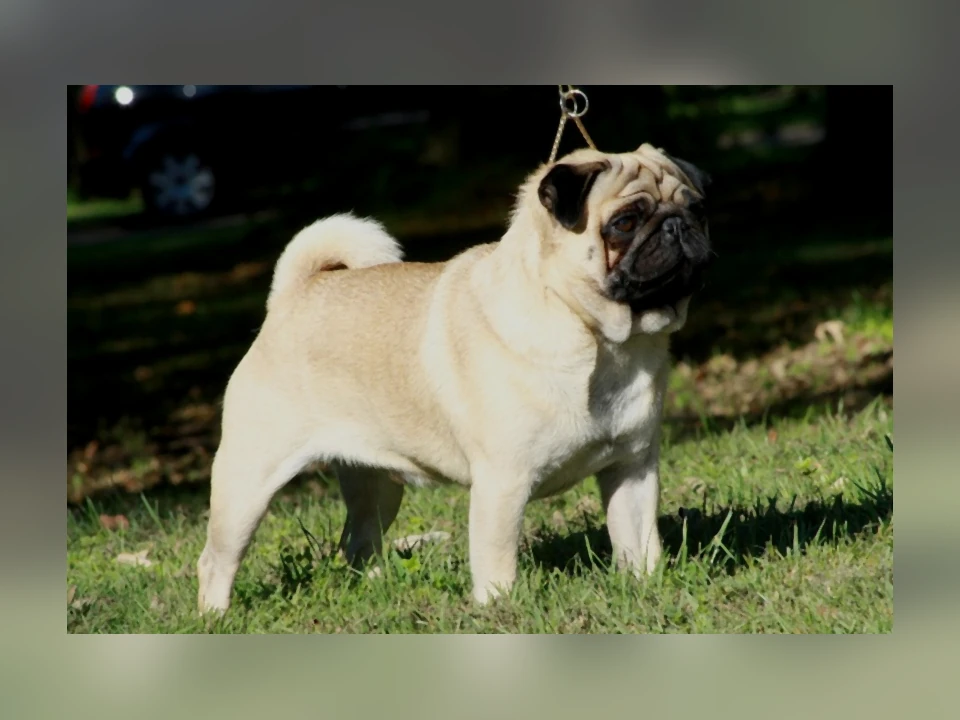
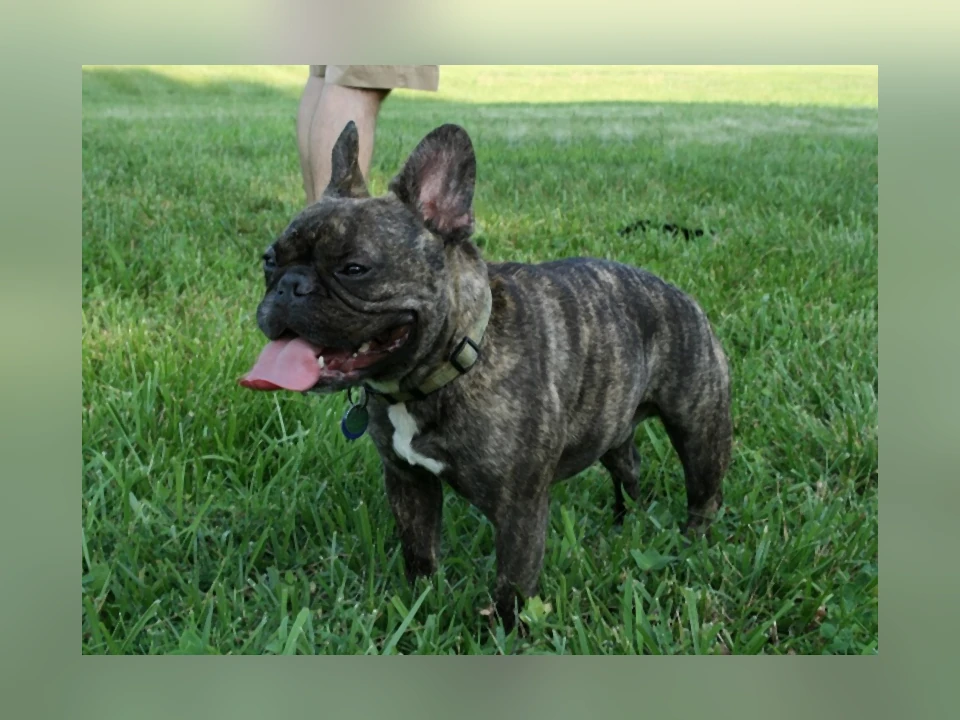
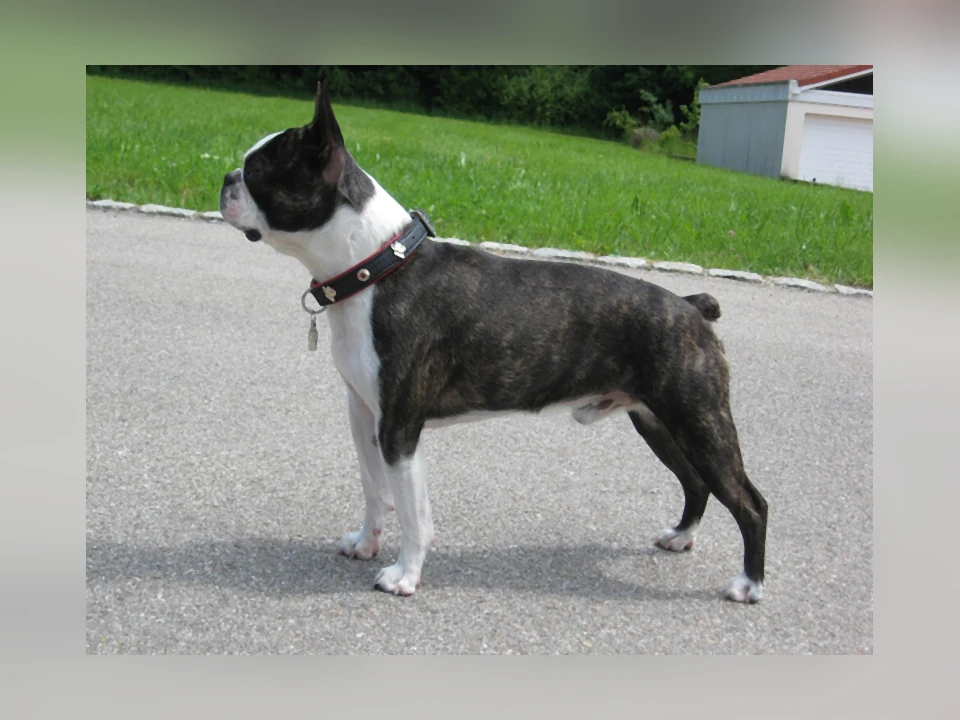
The best dog for a senior owner isn't always the tiniest dog — it's one that matches your pace and your physical capability. This is a transparent fit score, computed live from our breed dataset: we blend low energy, easy handling (small to medium size), affection, easy grooming, and trainability, with a bonus for breeds we've tagged as good with seniors. The result puts the Pug, French Bulldog, and Boston Terrier at the top. But here's the honest part: all three are flat-faced (brachycephalic) breeds with real breathing and heat limits, often higher vet costs, and climate sensitivity. Before you choose any of them — or any dog on this list — read the caveats below about flat-faced trade-offs and why adopting a calm adult dog from a shelter often beats a puppy for an older owner.
Visit preparation
Bring your questions to the next visit
Add your own observations and questions in the visit tool. Rankings are not copied into the brief or used as a clinical assessment.
How the fit score works
Each breed's fit % is a transparent, weighted blend of our 1–5 trait ratings — no hidden editorial thumb on the scale. The weightings:
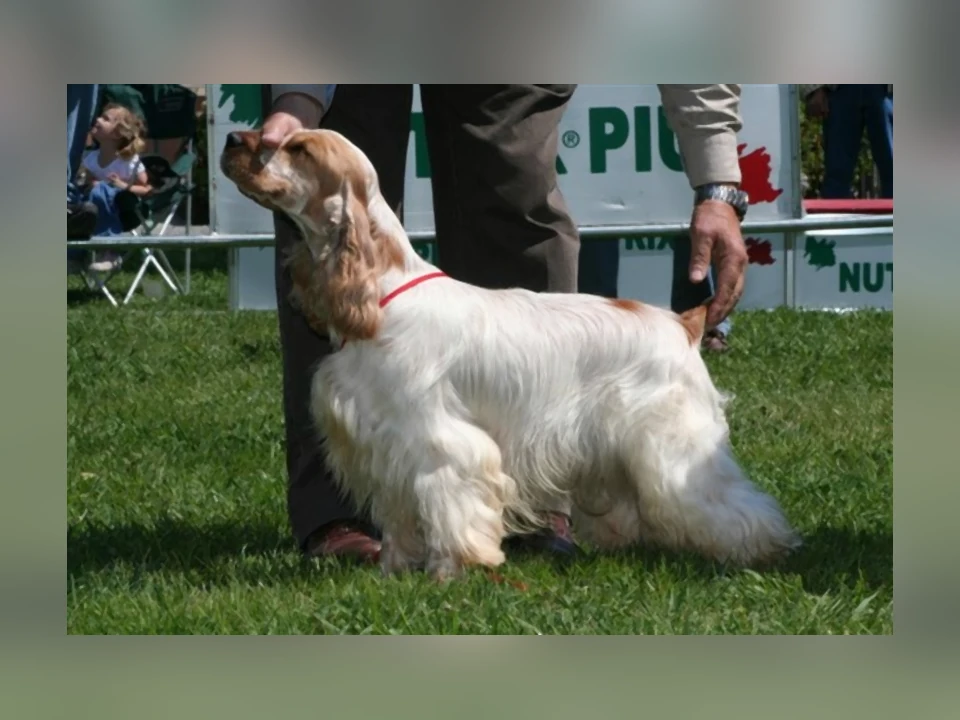

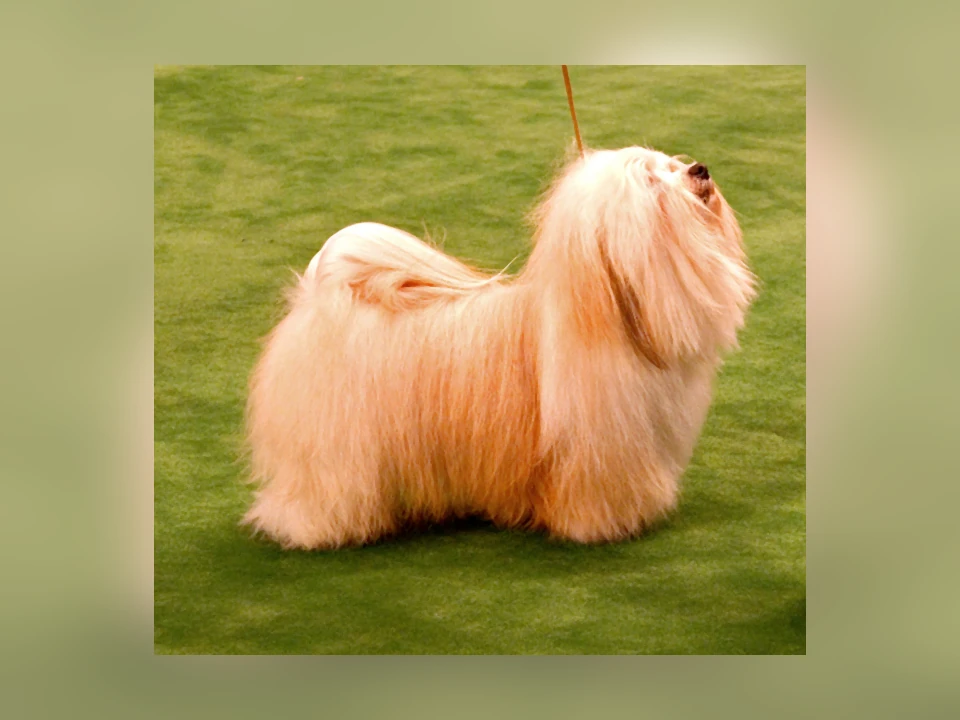
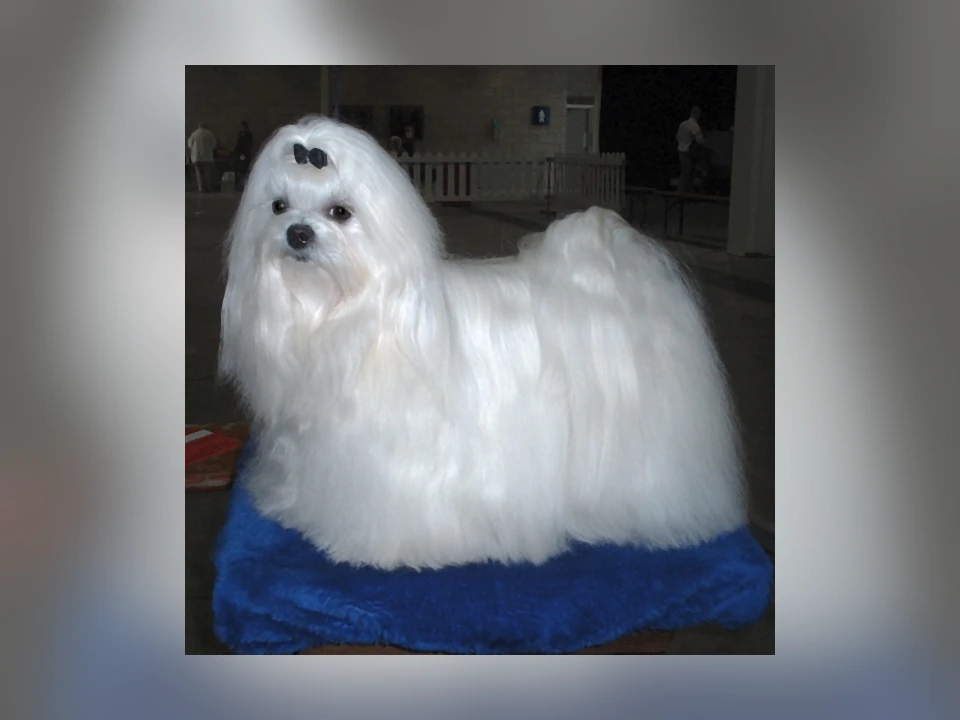
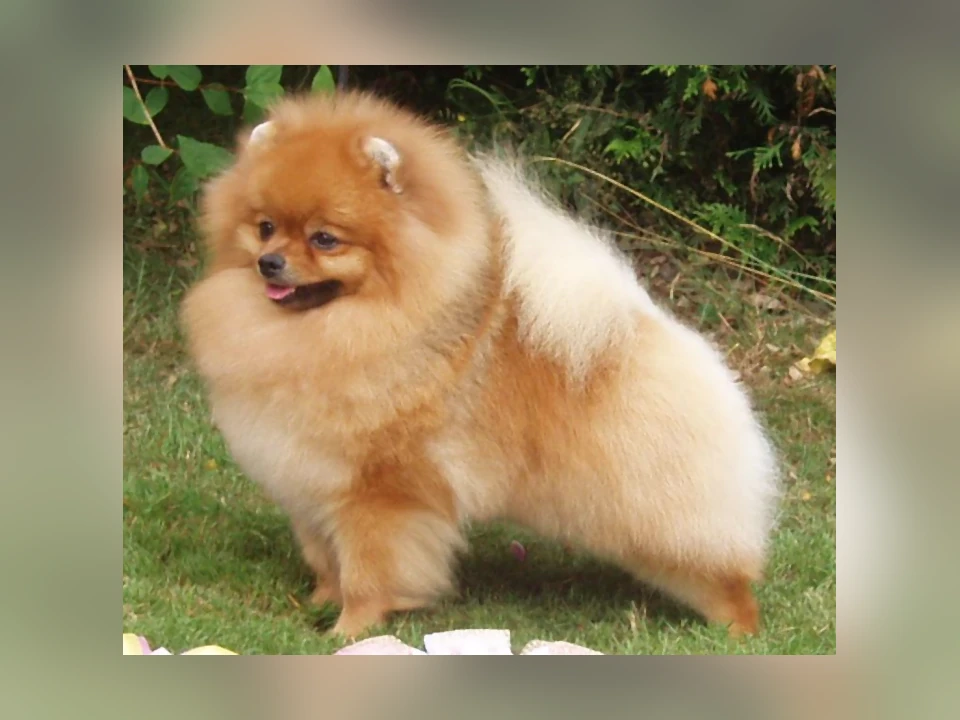
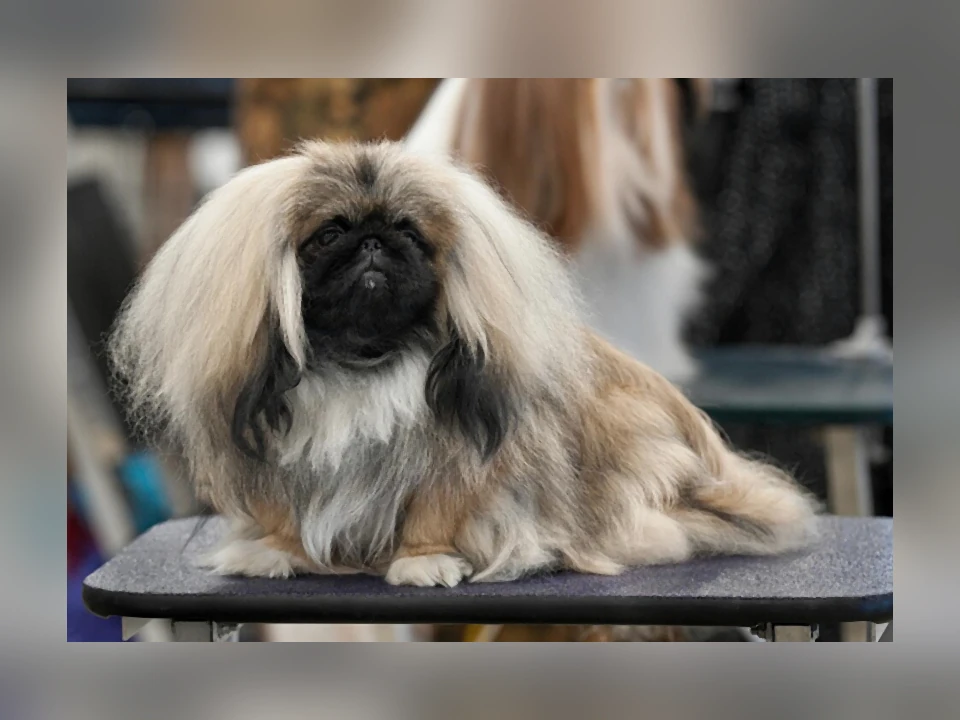
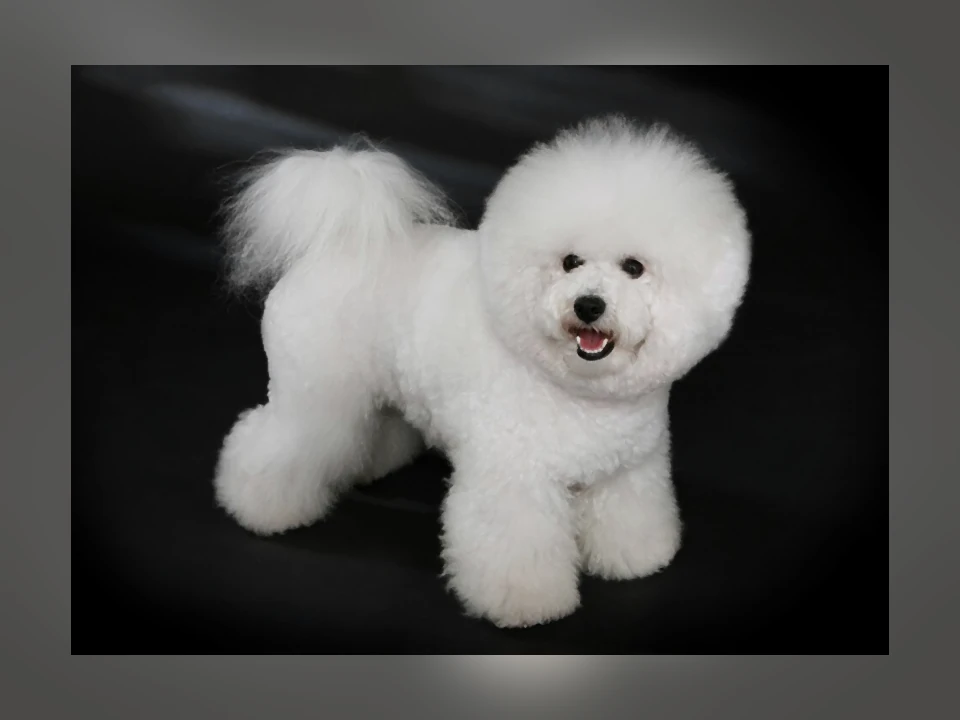
Fit scores are computed from PetGrit's own 1–5 trait ratings — a transparent, weighted blend, not an editorial pick. Browse the full breed dataset →
Sources & method
- PetGrit breed dataset — 1–5 trait ratings on energy, weight, friendliness, grooming, trainability, and senior compatibility — Transparent inputs to the fit score; the exact formula and weighting are shown above the list.
- Breed-standard traits and health notes — Temperament, energy, size, and known health concerns (e.g., brachycephalic respiratory limits, heart concerns in Cavaliers) sourced from breed standards and veterinary references.
The short version
- The Pug, French Bulldog, and Boston Terrier score highest — small, calm, bred for companionship. All three are flat-faced breeds with breathing limits, heat sensitivity, and higher vet bills; know the trade-offs upfront.
- A calm, affectionate adult dog from a shelter often beats a puppy for a senior owner: you know the real temperament, there's less chaos, and a 5–10 year old dog's timeline may align better with yours.
- Tiny breeds score well on calm temperament but can be trip hazards and hard to grip safely; a small-to-medium dog you can confidently hold and walk may be a better real-world fit.
Frequently asked questions
What are the best dog breeds for seniors?
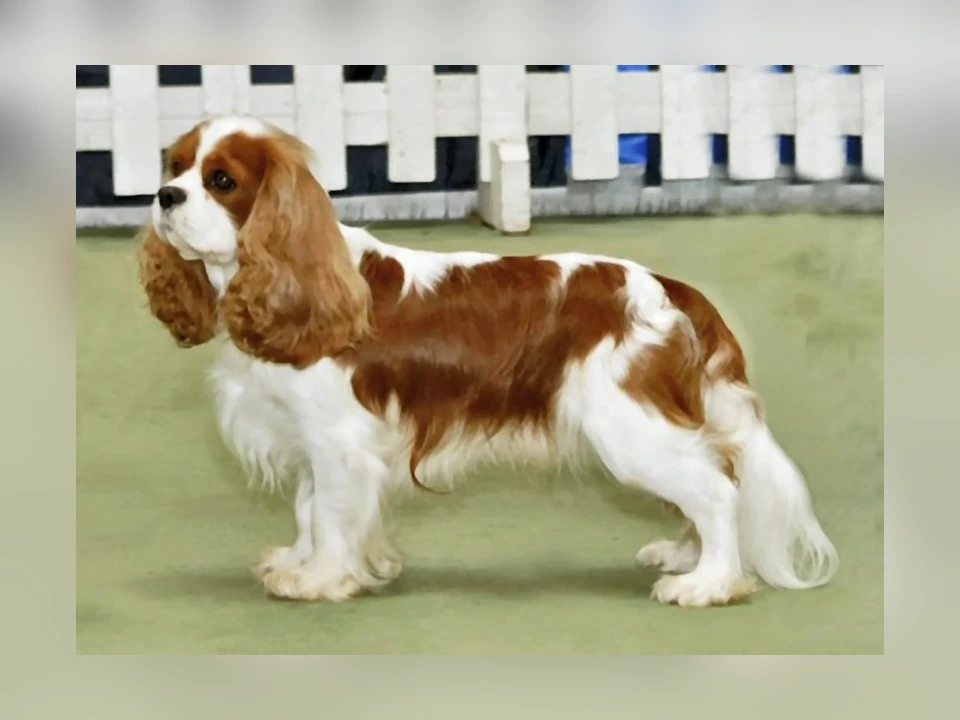
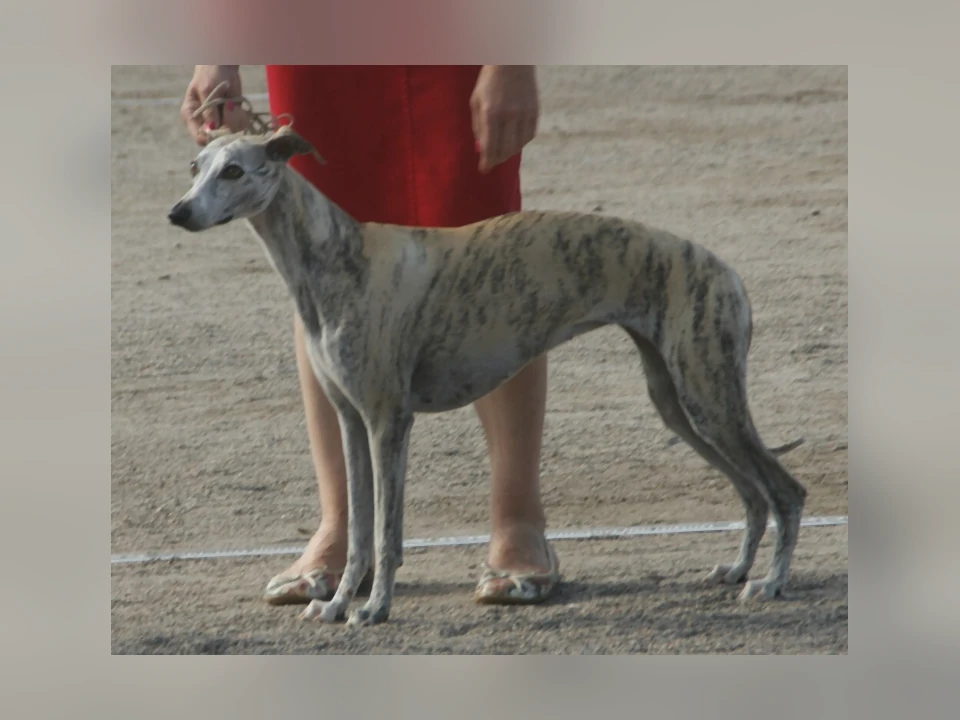
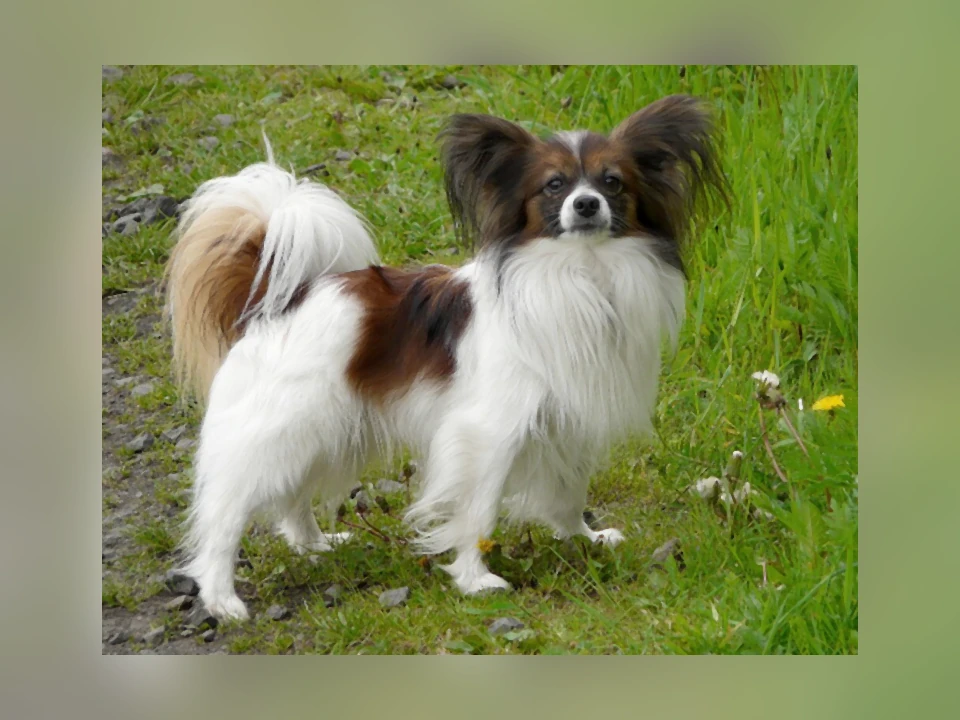
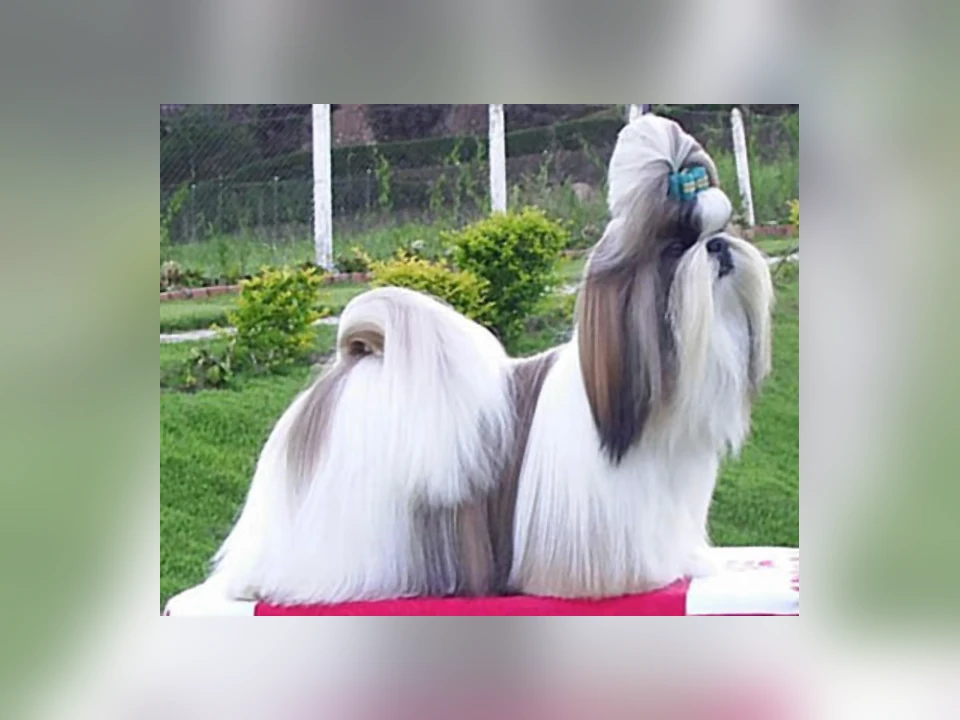
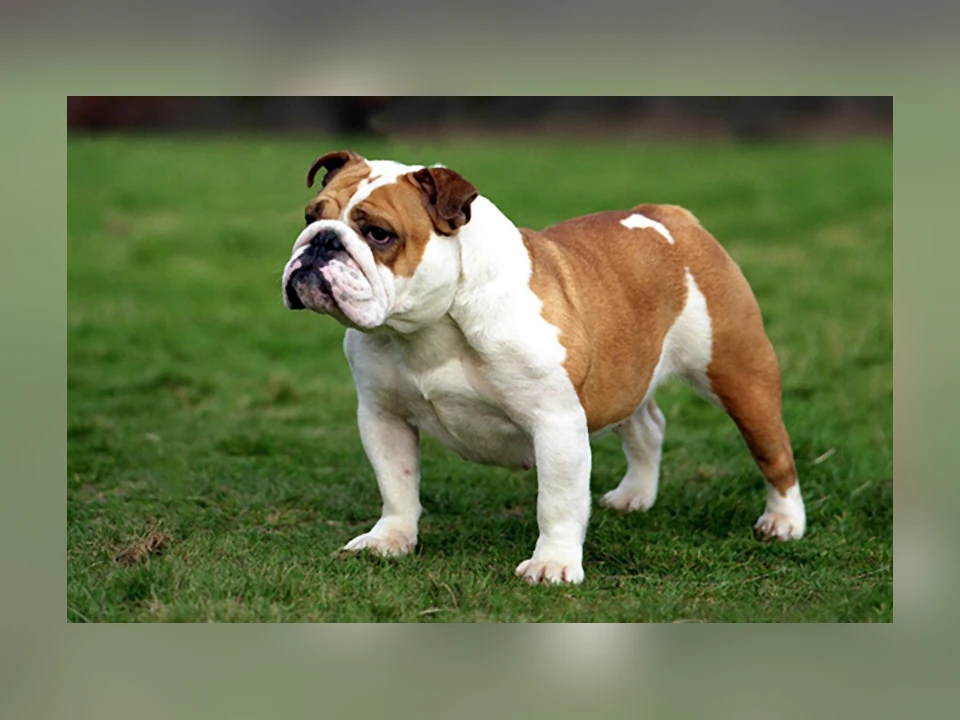
By our fit score, the Pug, French Bulldog, Boston Terrier, Cavalier King Charles Spaniel, and Whippet top the list — all small to medium, low-energy, and bred for companionship. The next tier includes the Papillon, Shih Tzu, Bulldog, Cocker Spaniel, and Chihuahua. The common thread is a calm, affectionate temperament and manageable size. But also ask your shelter or rescue: an adult dog with a known, gentle personality and proven energy level may be the smartest choice for a senior owner.
Are flat-faced breeds like Pugs and French Bulldogs good for seniors?
They score high on calm temperament and size, but flat-faced (brachycephalic) breeds carry real trade-offs. They have breathing limits, overheat easily, often need air conditioning or climate control, and typically have higher vet bills for respiratory and skin issues. Boston Terriers are brachycephalic too — usually less severely than Pugs and Frenchies, but the same category of concern, not a workaround. If you want calm companionship with a longer muzzle and fewer airway limits, a Cavalier King Charles Spaniel is worth considering — but it has its own known heart and neurological concerns, so ask a vet what screening makes sense before you commit. If you choose a flat-faced breed, go in with eyes open: factor the climate-control costs, monitor for overheating, and plan regular vet check-ups.
Why does adopting an adult dog make sense for a senior owner?
An adult dog from a shelter or rescue gives you certainty: you see the actual temperament, size, and personality before you commit, rather than gambling on a puppy's future behavior. Many shelter dogs are already past the chaos of puppyhood and house-training phase. A 5- to 10-year-old dog is often calmer, doesn't demand years of patience, and the life-together timeline — 7–12 years — may align better with a senior's realistic companionship needs than a 15-year puppy promise. Shelter staff can help you find a dog whose energy and needs match your actual lifestyle. And frankly, adopting an older dog is one of the kindest moves you can make.
Related reading
More rankings
Low-noise pet care
Get PetGrit care check-ins worth opening
New report workflows, calm checklists, and practical pet-care updates for dog and cat parents. No spam, no fear-selling. Unsubscribe anytime.
Prefer a personalized brief? Prepare a visit brief.