Best Running Dog Breeds (Scored)
High-octane working and sporting dogs that thrive on miles — if your running plan includes a four-legged partner. One critical safety rule first.
How we built it
A composite 'fit' score computed from PetGrit's 1–5 energy and trainability ratings, filtered for dogs in the 18–90 lb weight range (which excludes delicate toy breeds and dogs with size-related joint stress). The exact weighting is shown in the breakdown above the list.
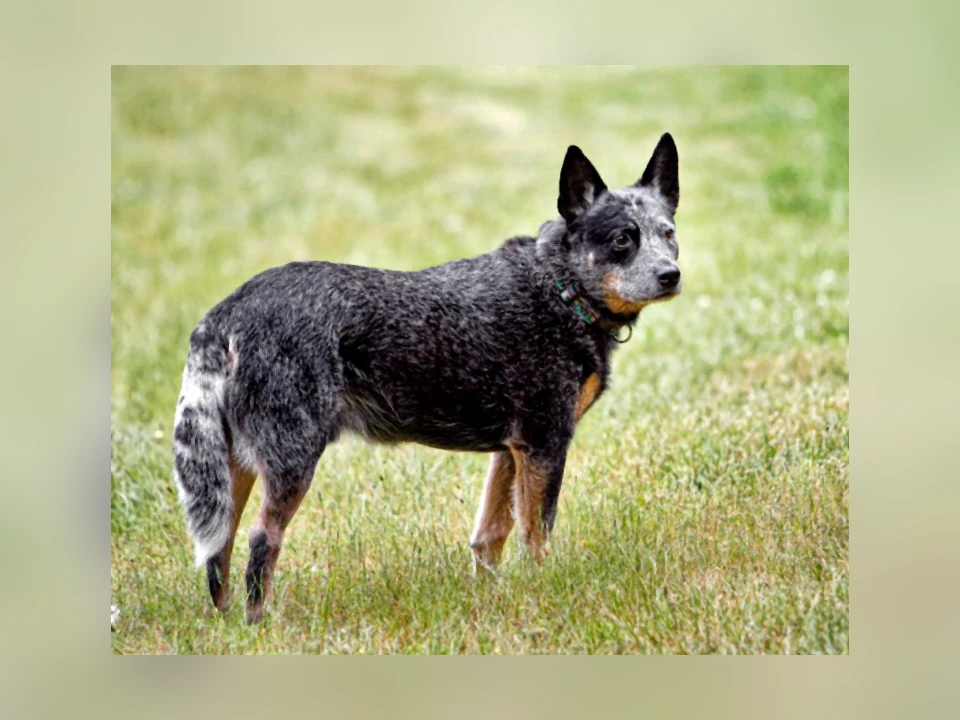
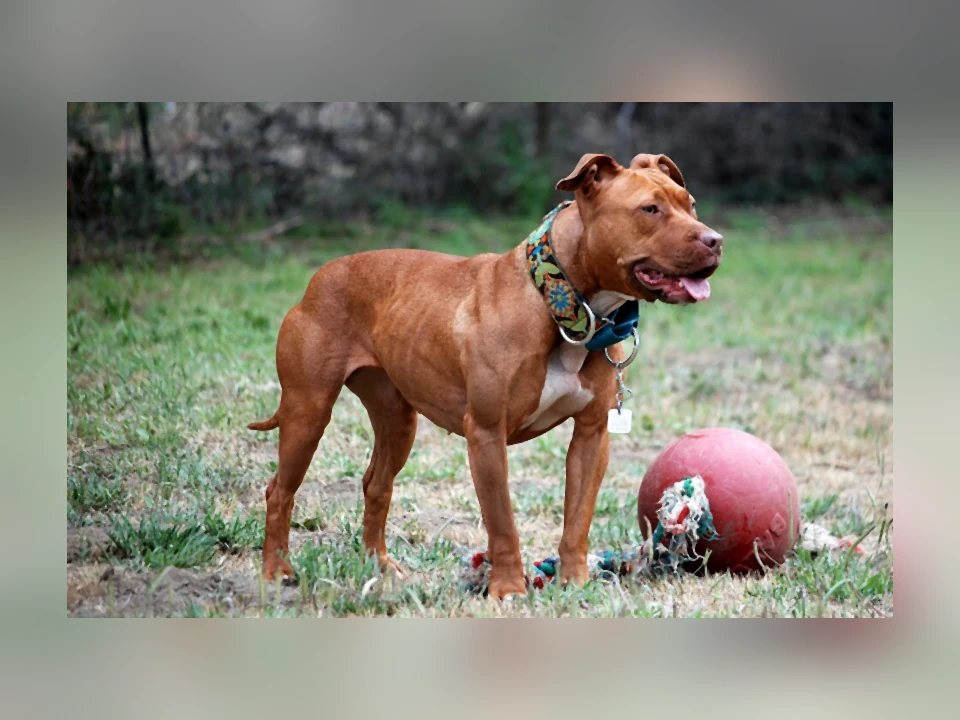
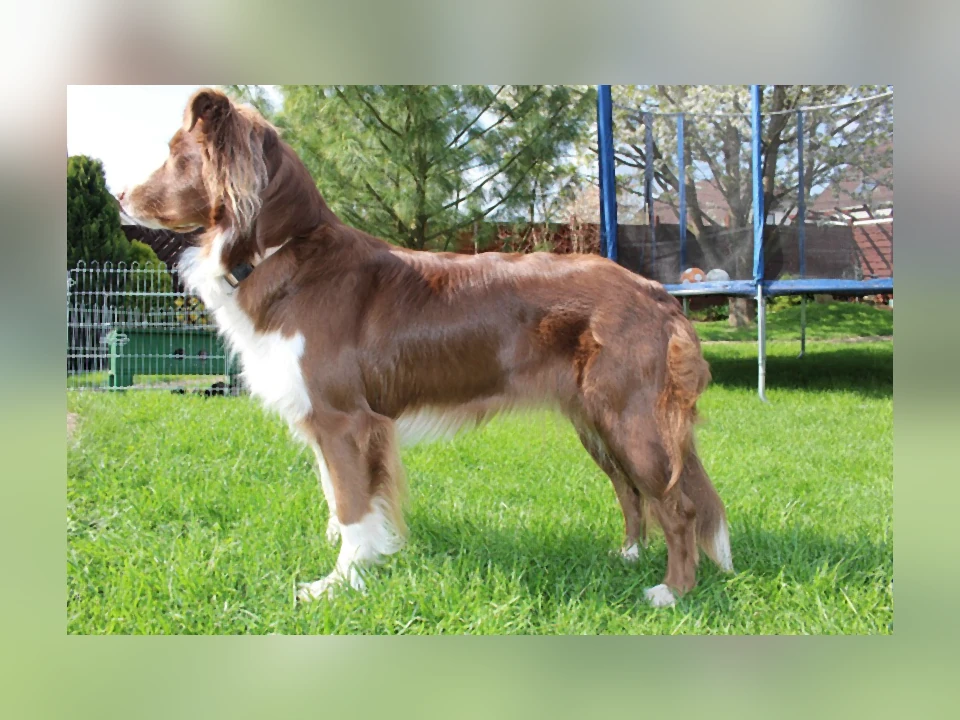
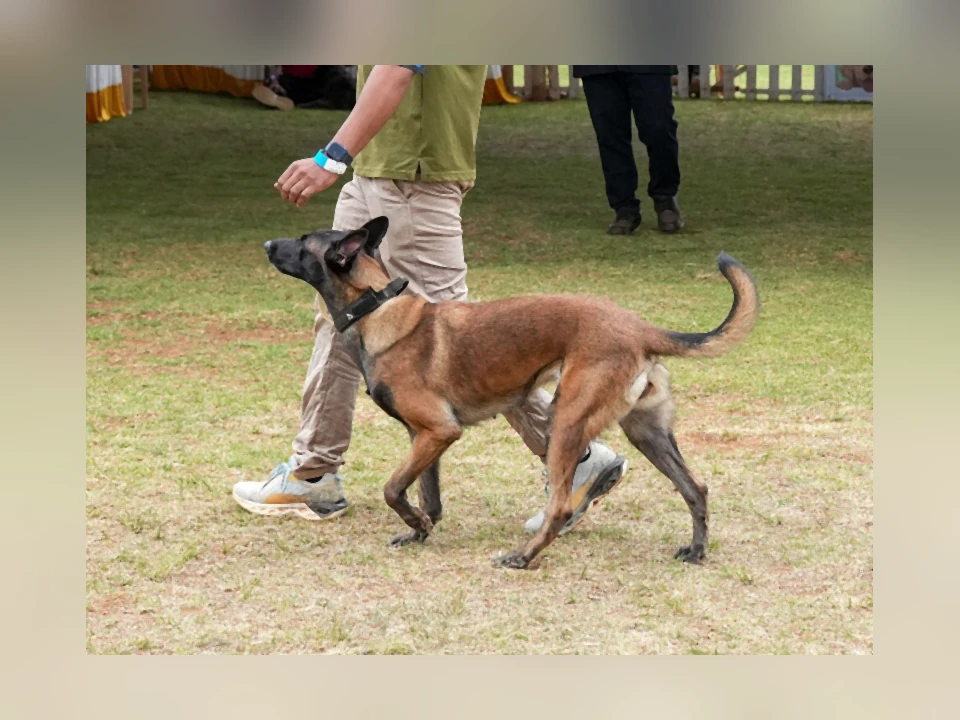
A dog built for distance running is a joyful running partner — but only if you get the fitness and safety window right. This ranking is computed from our breed dataset: we blend high energy, trainability, and a practical size range (18–90 lb) to exclude toy breeds and giants, whose joint biomechanics don't suit long miles. The result puts herding dogs and pointers at the top — Australian Cattle Dogs, Australian Shepherds, Belgian Malinois, Border Collies, and Doberman Pinschers all score perfectly. But before you lace up: don't run a dog until their growth plates close (12–18 months, later for giant breeds), build mileage gradually, watch for heat stress, and skip hot pavement entirely.
Visit preparation
Bring your questions to the next visit
Add your own observations and questions in the visit tool. Rankings are not copied into the brief or used as a clinical assessment.
How the fit score works
Each breed's fit % is a transparent, weighted blend of our 1–5 trait ratings — no hidden editorial thumb on the scale. The weightings:
- 12
 92% fit
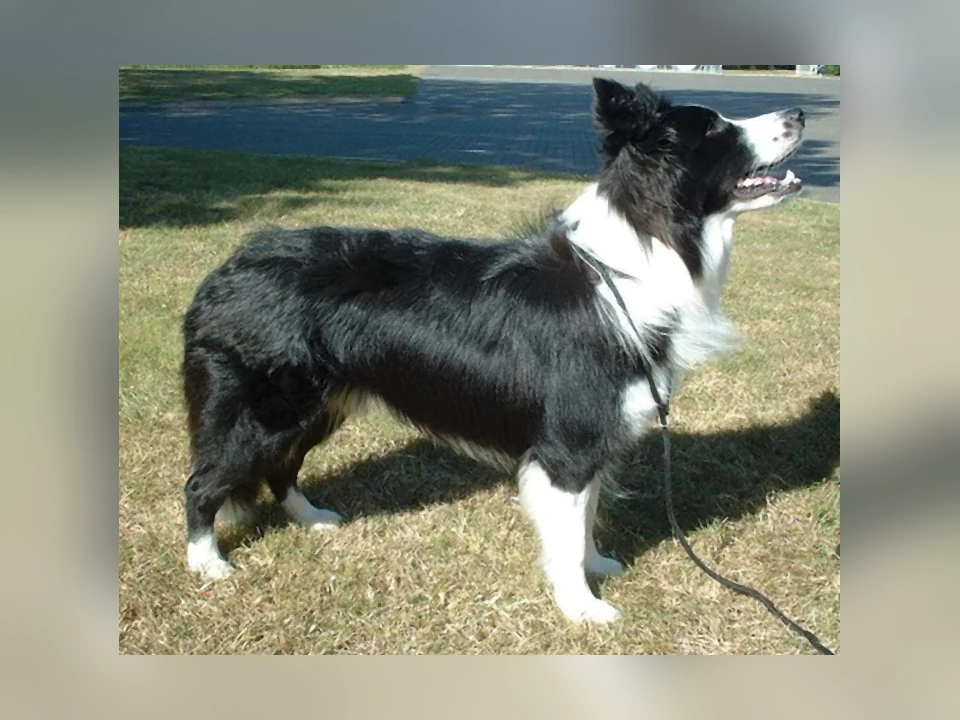
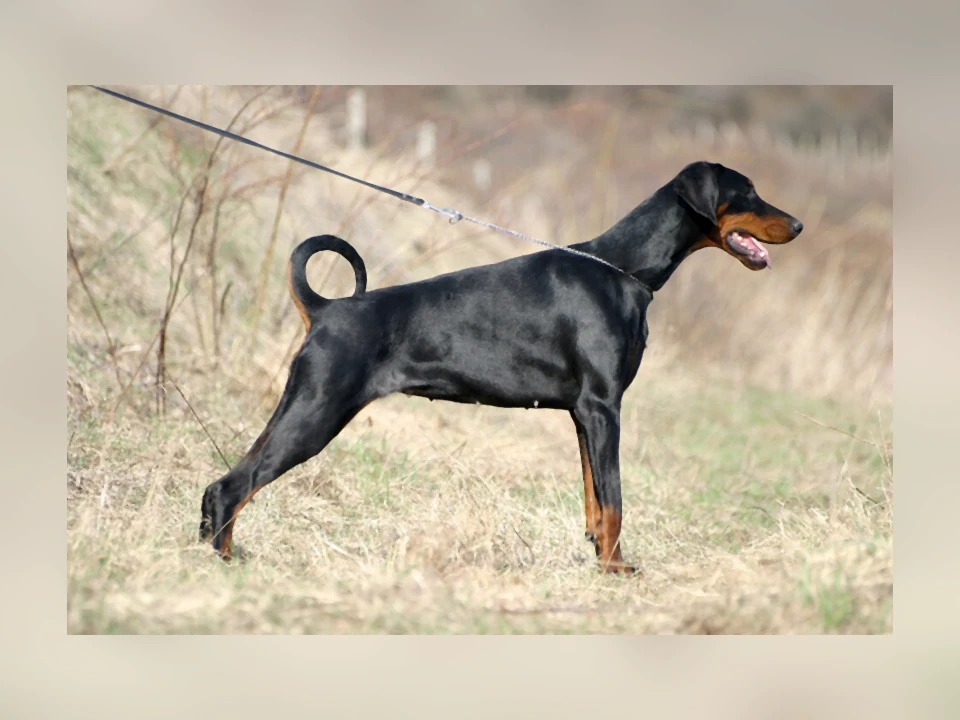
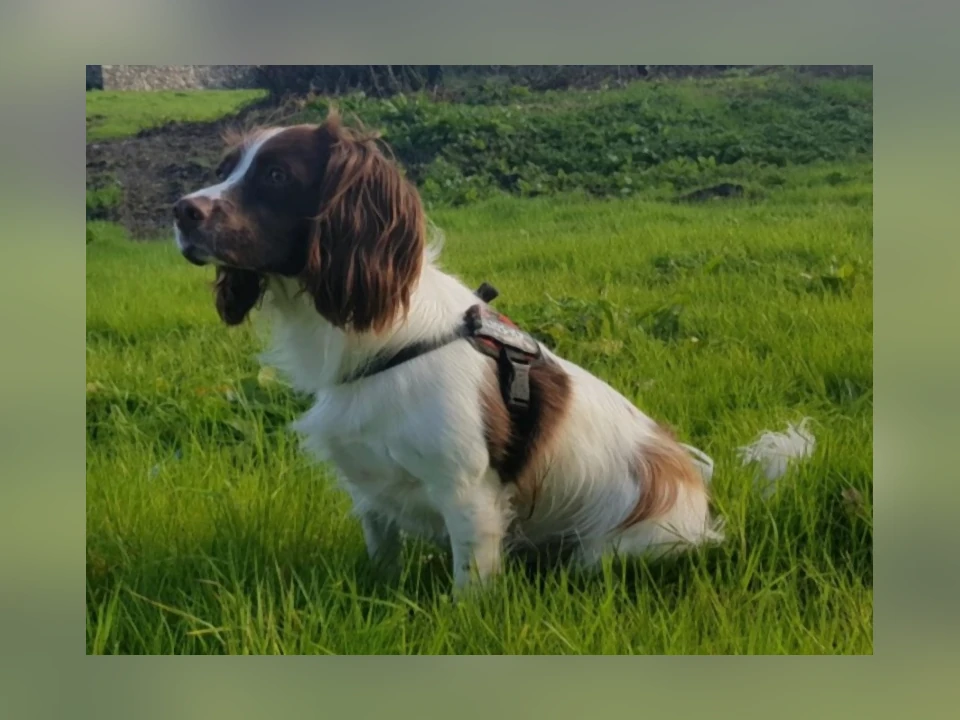
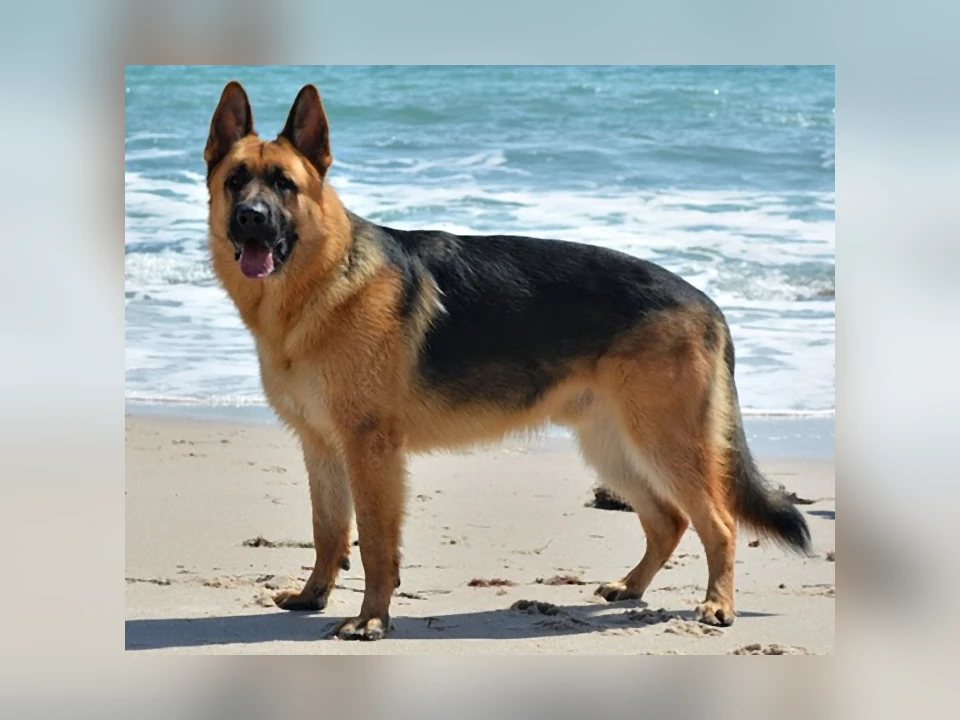
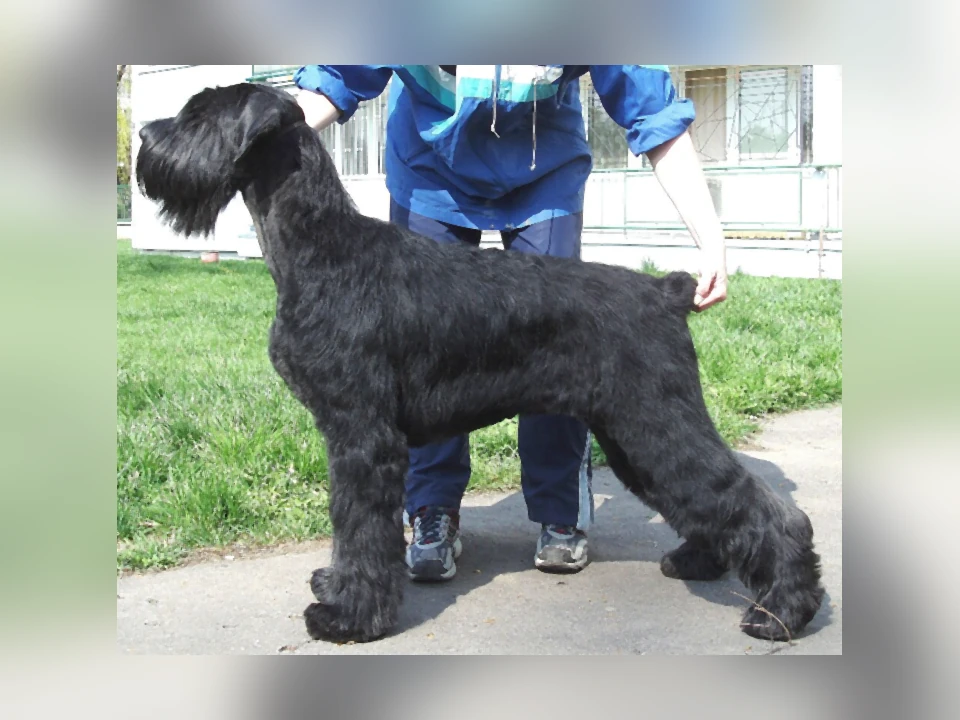
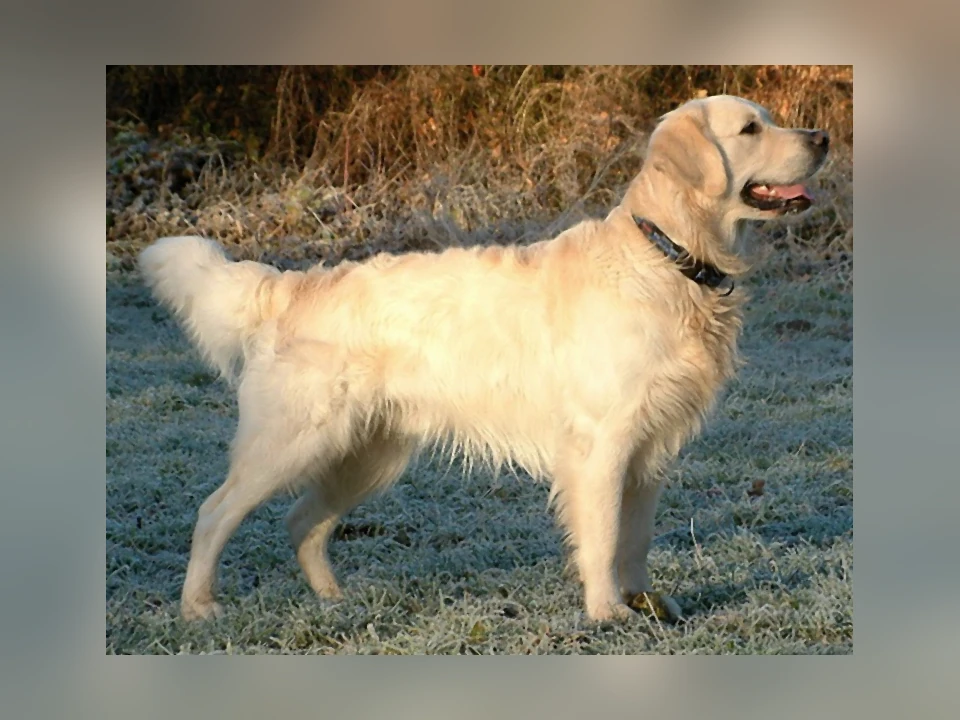
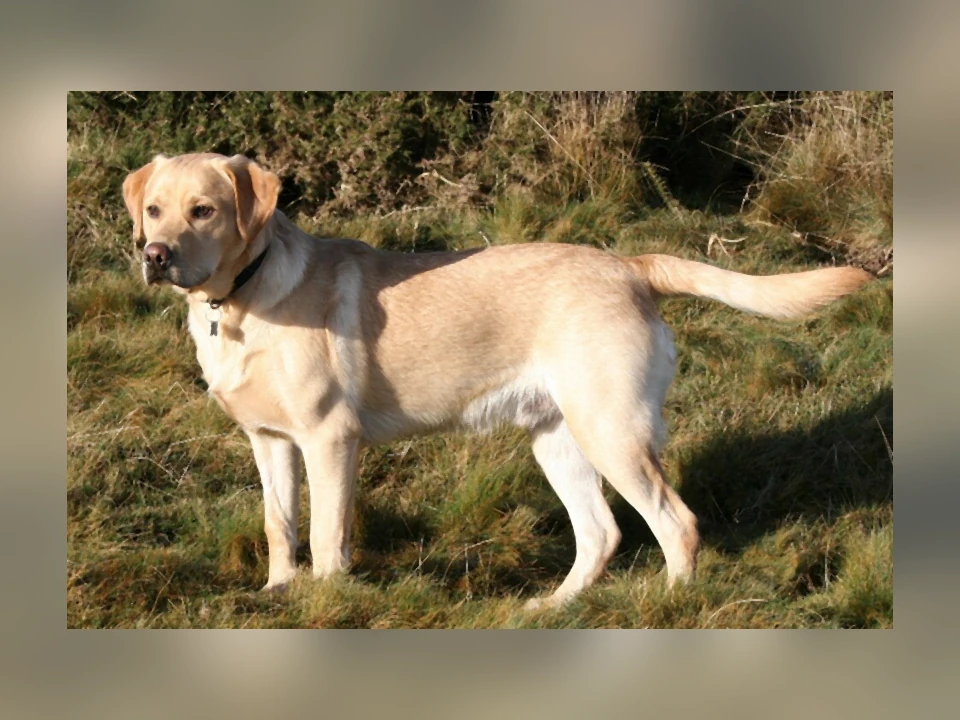
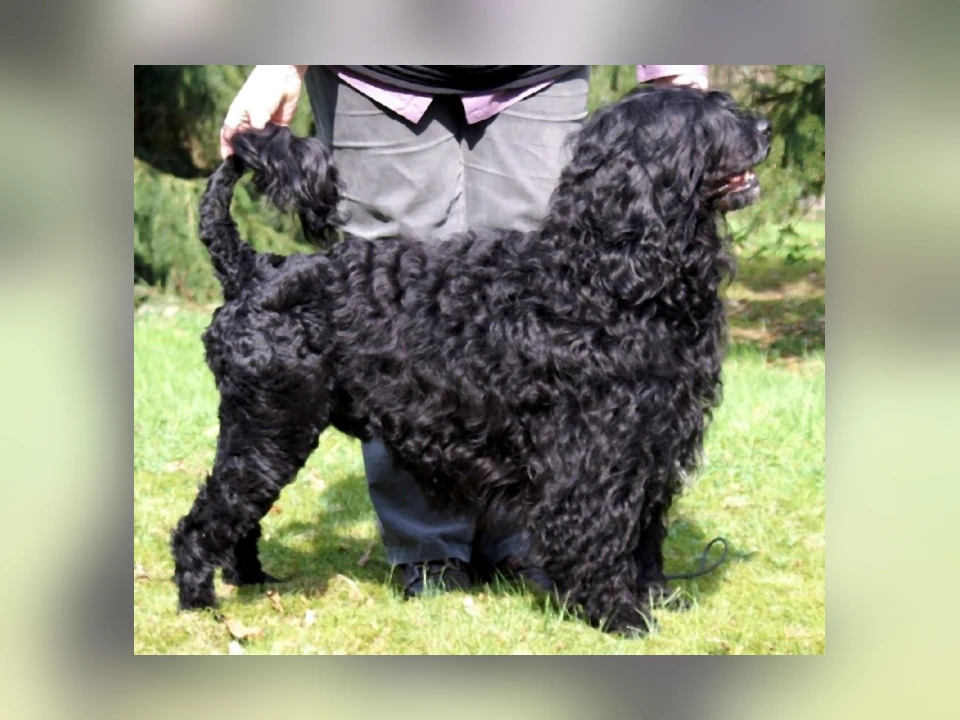
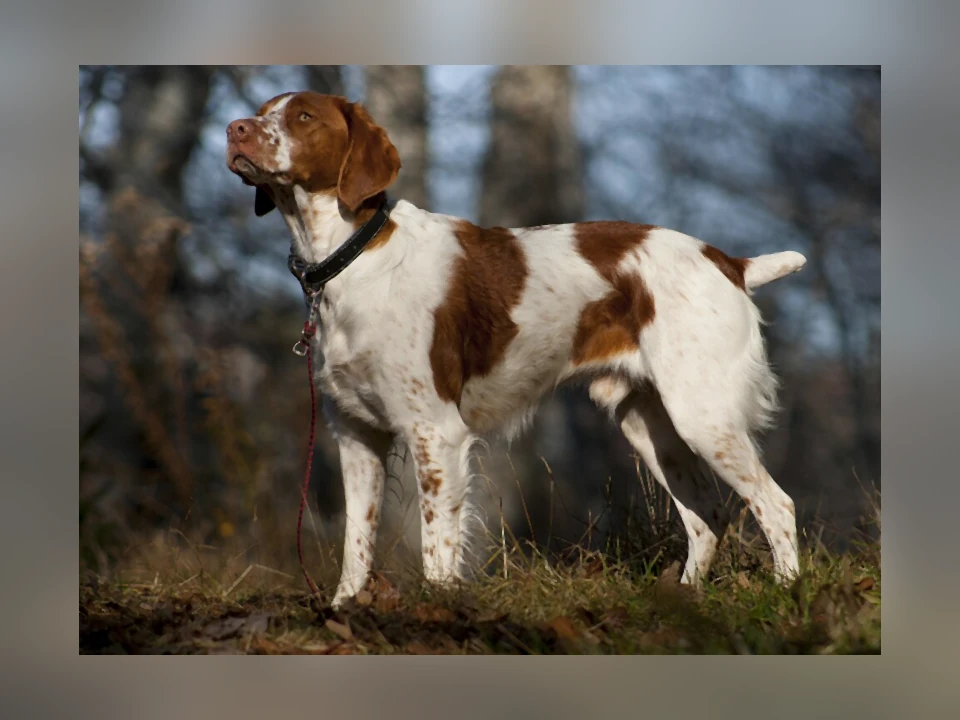
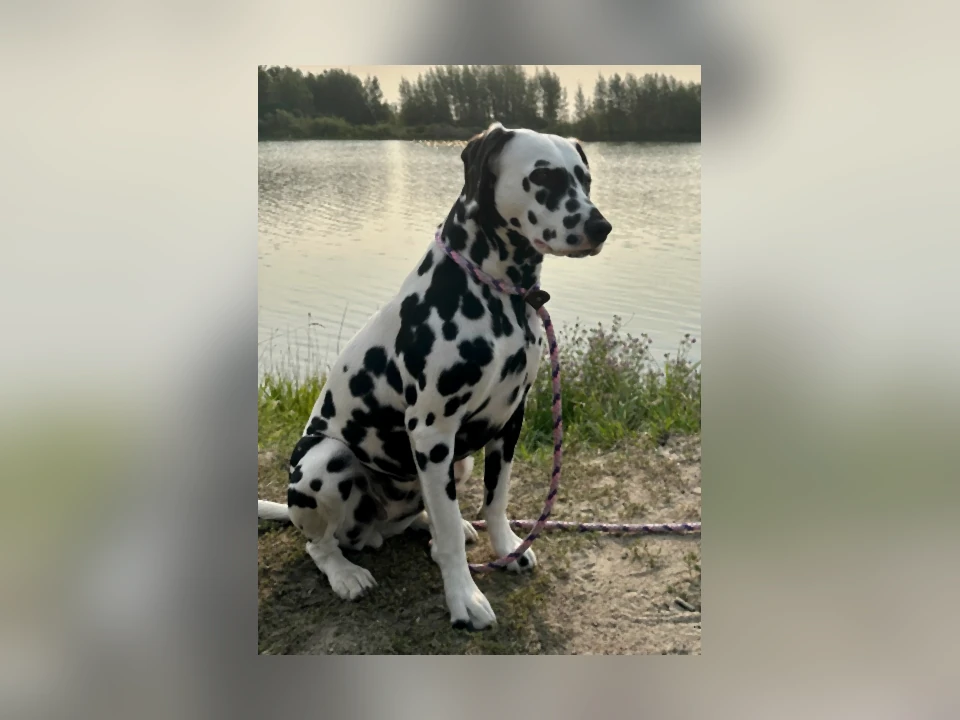
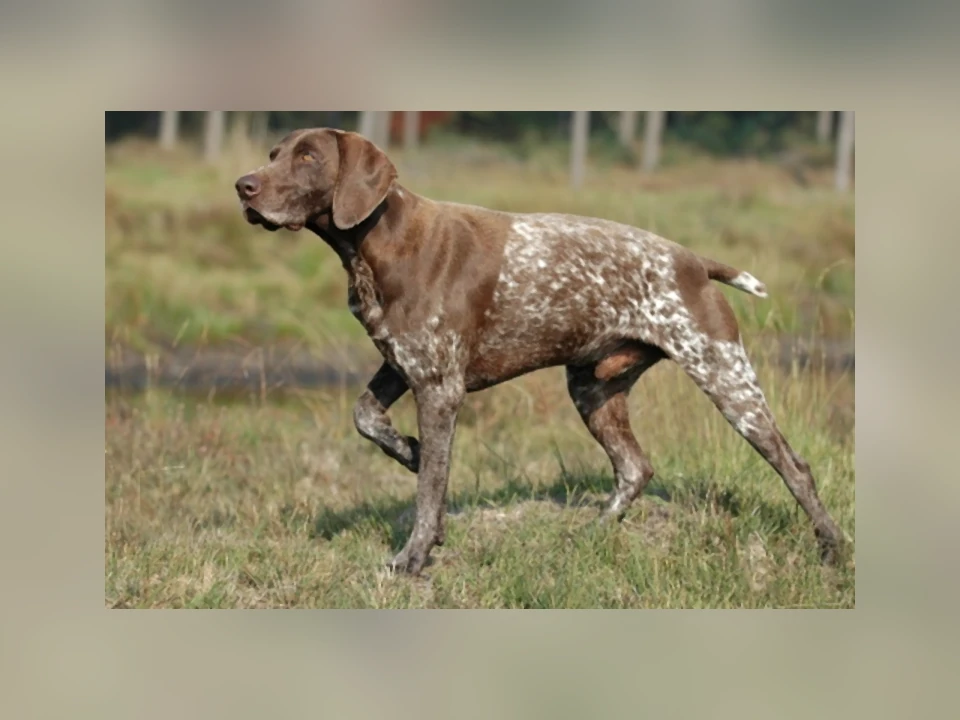
Fit scores are computed from PetGrit's own 1–5 trait ratings — a transparent, weighted blend, not an editorial pick. Browse the full breed dataset →
Sources & method
- PetGrit breed dataset — 1–5 energy and trainability ratings + breed-standard weight — The transparent inputs to the running-fit score; see the breakdown above the list.
- Veterinary guidance on running with dogs, growth plates, and heat stress — Safety context for joint development, conditioning, and heat injury prevention.
The short version
- The Australian Cattle Dog, Australian Shepherd, Belgian Malinois, Border Collie, and Doberman Pinscher top the ranking — all bred for sustained work and ranked at 100% fit for distance running.
- Running fit is about energy + size + joint structure: flat-faced and giant breeds are excluded because their biology can't handle miles safely.
- Don't run a young dog until growth plates close; build mileage gradually; skip pavement in heat; and carry water. The breed only matters if you prevent injury first.
- The fit score is a transparent blend of our energy and trainability ratings, not an editorial pick — and a high rank is no guarantee your individual dog will take to running. Temperament, conditioning, and care matter more than breed.
Frequently asked questions
What are the best running dog breeds?
By our fit score, the Australian Cattle Dog, Australian Shepherd, Belgian Malinois, Border Collie, and Doberman Pinscher lead — all built for sustained work with high energy and strong frames. Other excellent distance runners include the Golden Retriever, English Springer Spaniel, Labrador Retriever, and German Shepherd. The common thread is high energy, trainability, and a working heritage; they thrive on structure, miles, and a job.
At what age can I start running with my dog?
Wait until growth plates close — typically 12–18 months for medium breeds, as late as 24 months for giants. Running before that causes permanent joint damage and arthritis. Until then, short walks and controlled play are safe; your vet can tell you when your dog's breed is ready. Once cleared, start with short distances (1–2 miles) and build gradually over weeks, not days.
Greyhounds and Whippets are fast — why aren't they great long-distance running partners?
They rate high on energy, but they're sprinters by design — built for explosive speed over short distances, not steady-state endurance — which is why they don't lead this distance-running ranking. Greyhounds will burn out quickly on long miles and overheat. If you want a dog for true distance running, stick with working and sporting breeds (herders, pointers, retrievers) that were bred for sustained exertion in the field.
Related reading
More rankings
Low-noise pet care
Get PetGrit care check-ins worth opening
New report workflows, calm checklists, and practical pet-care updates for dog and cat parents. No spam, no fear-selling. Unsubscribe anytime.
Prefer a personalized brief? Prepare a visit brief.