Calmest Cat Breeds (Lowest Energy)
Some cats are born loungers. Here are the breeds that are happiest napping, watching the world, and leaving you in peace.
How we built it
Computed automatically from PetGrit's 1–5 energy rating on each cat profile (1 = calm, 5 = high-energy), sorted lowest-energy first. Ratings are graded against breed-standard and veterinary sources; ties are listed alphabetically.
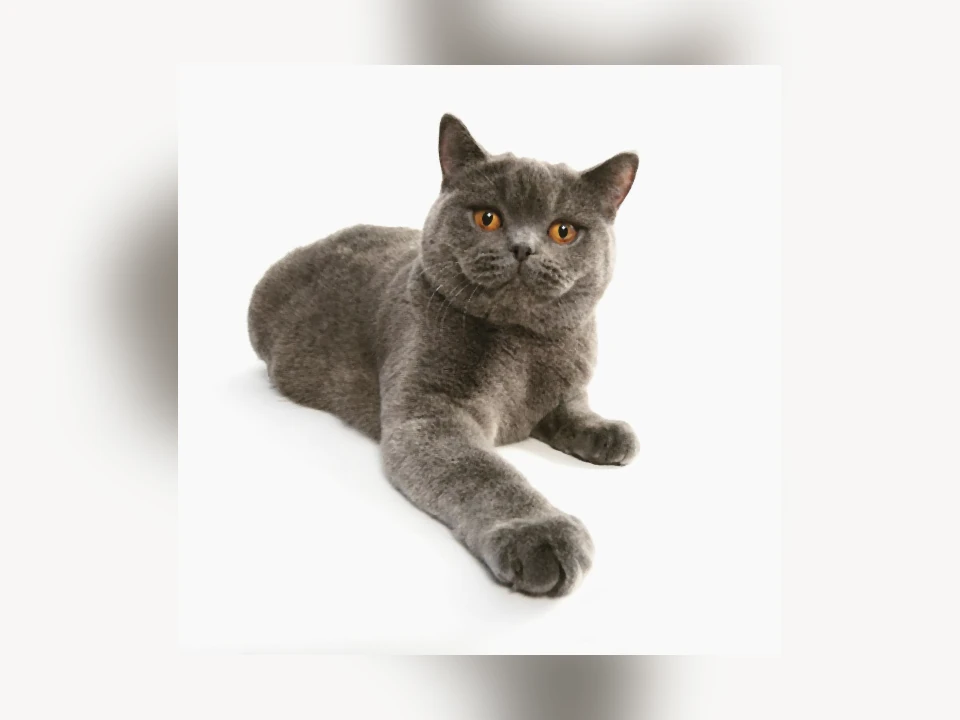
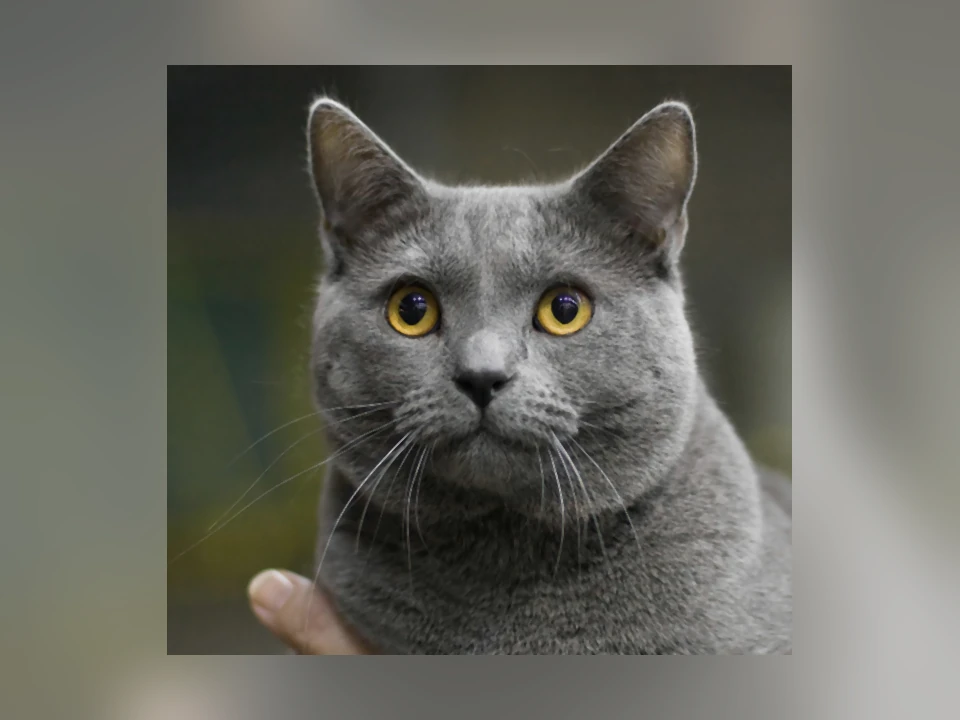
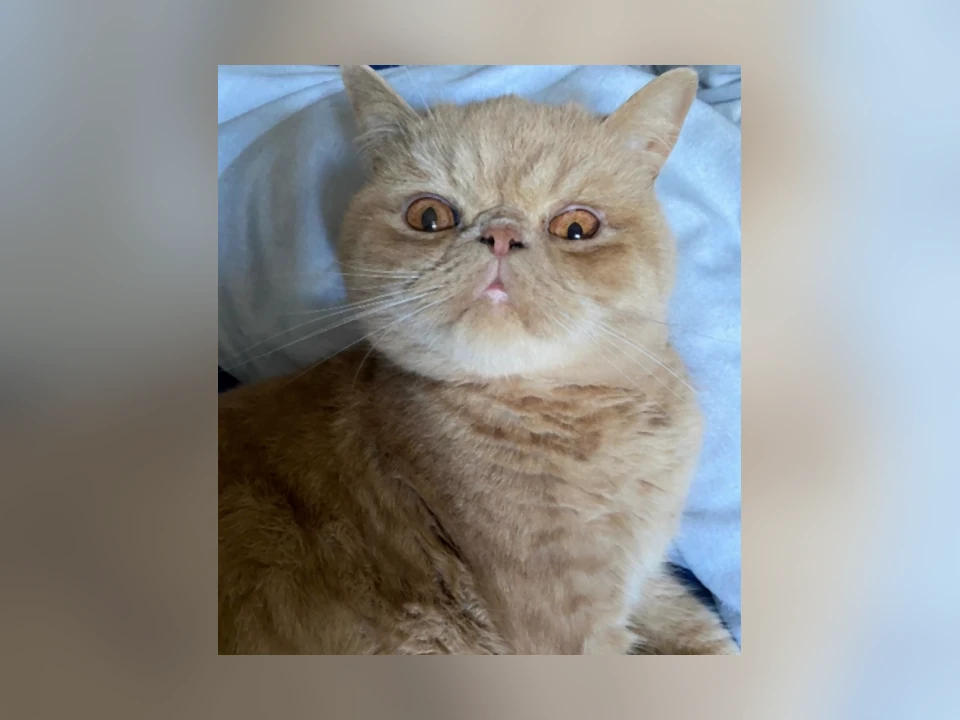
Not all cats are climbing-the-curtains maniacs. Some are natural loungers — cats that are content to sprawl across a sunny spot, sleep through the afternoon, and enjoy quiet company without needing constant engagement. This ranking is computed live from PetGrit's 1–5 energy rating on every cat profile, lowest-energy first. The British Shorthair, Chartreux, and Exotic Shorthair lead a calm group that's a true fit for people who want a laid-back companion that won't bounce off your furniture.
Visit preparation
Bring your questions to the next visit
Add your own observations and questions in the visit tool. Rankings are not copied into the brief or used as a clinical assessment.
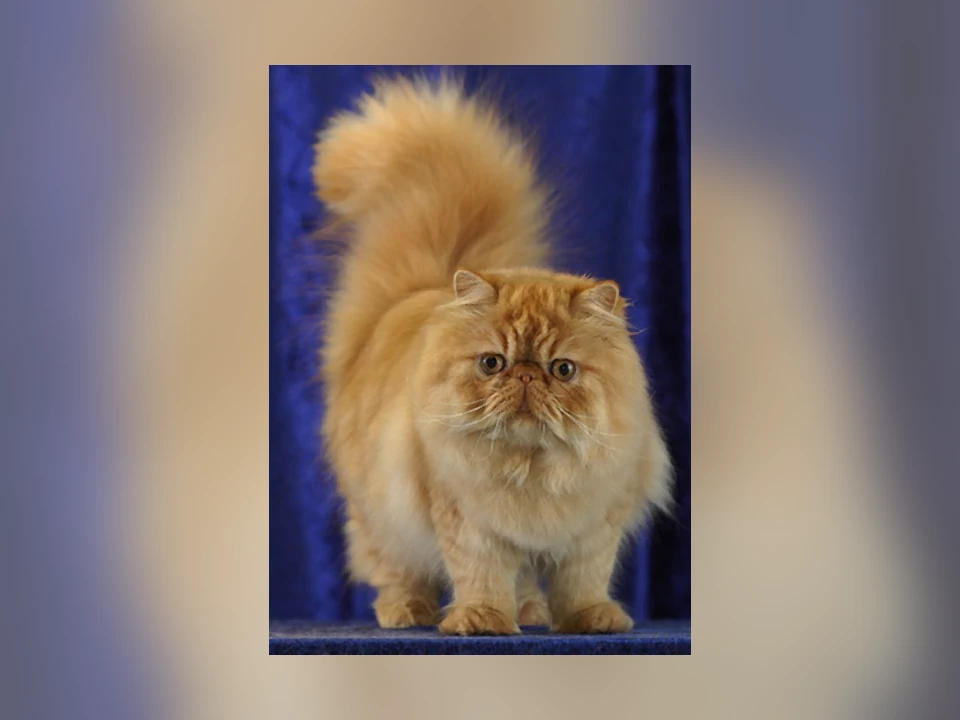
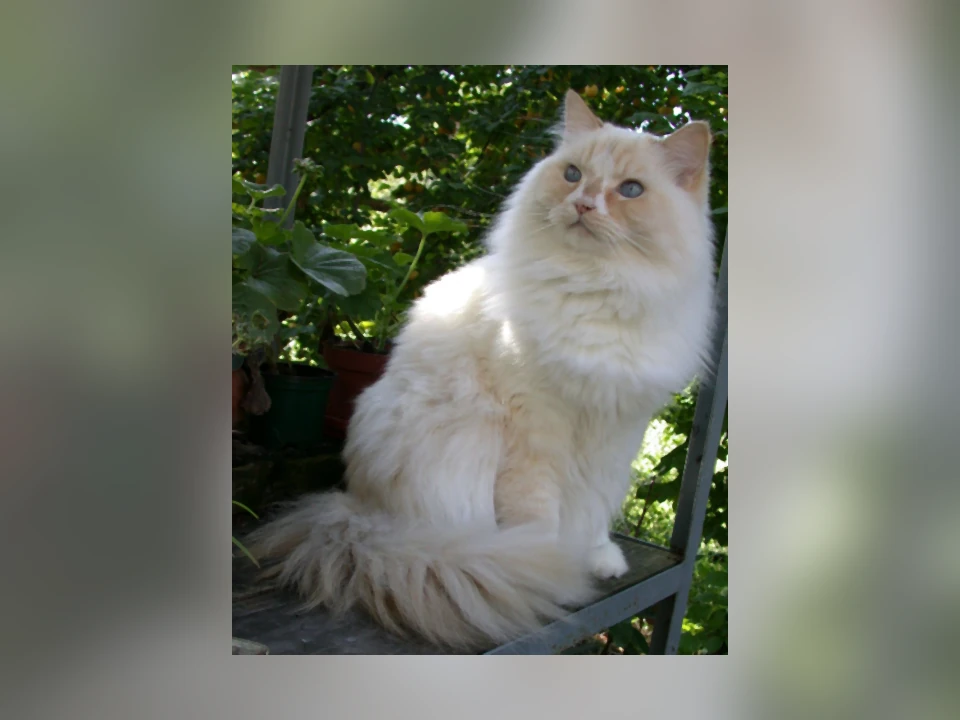
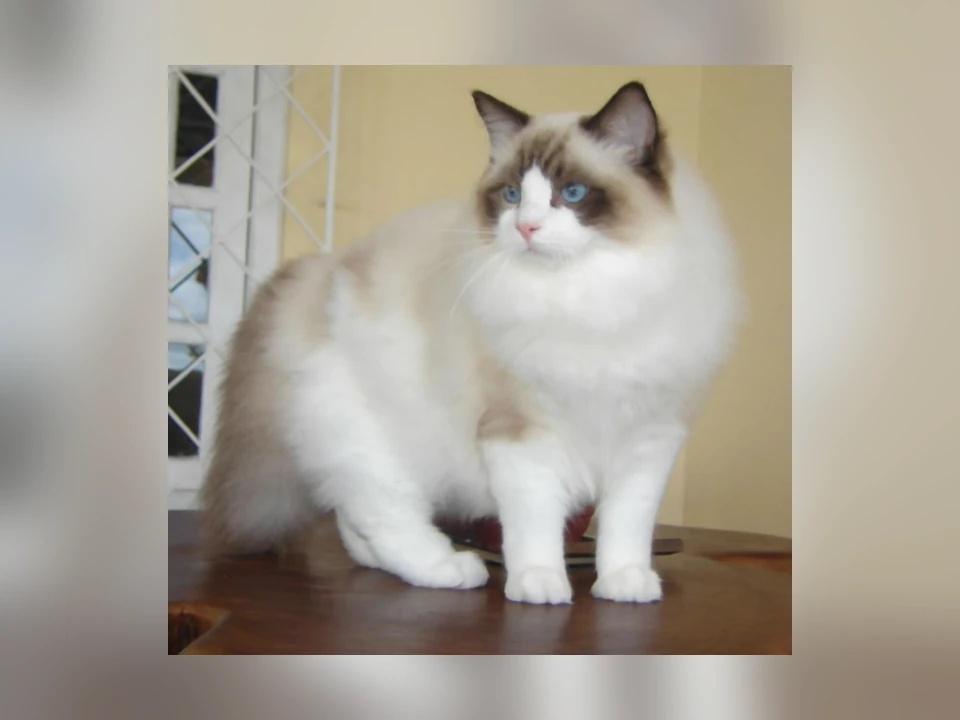
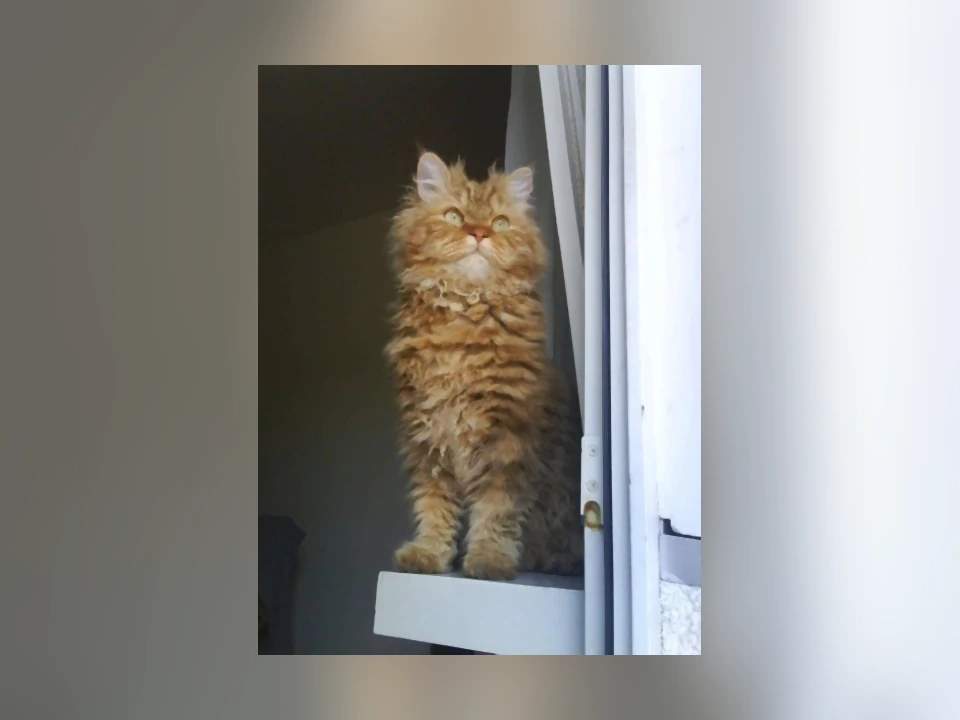
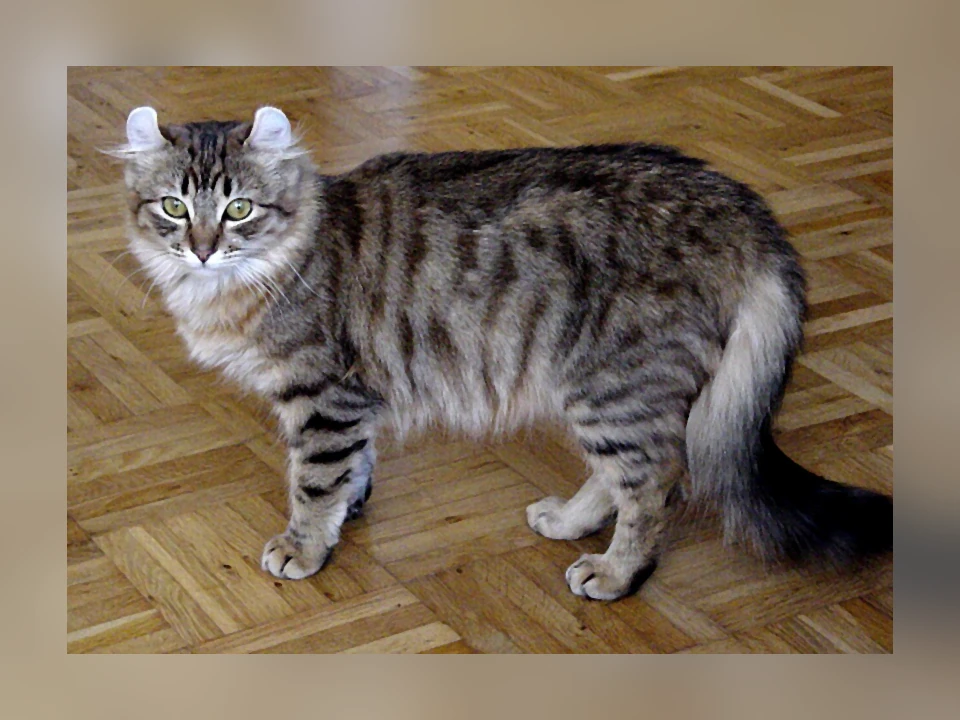
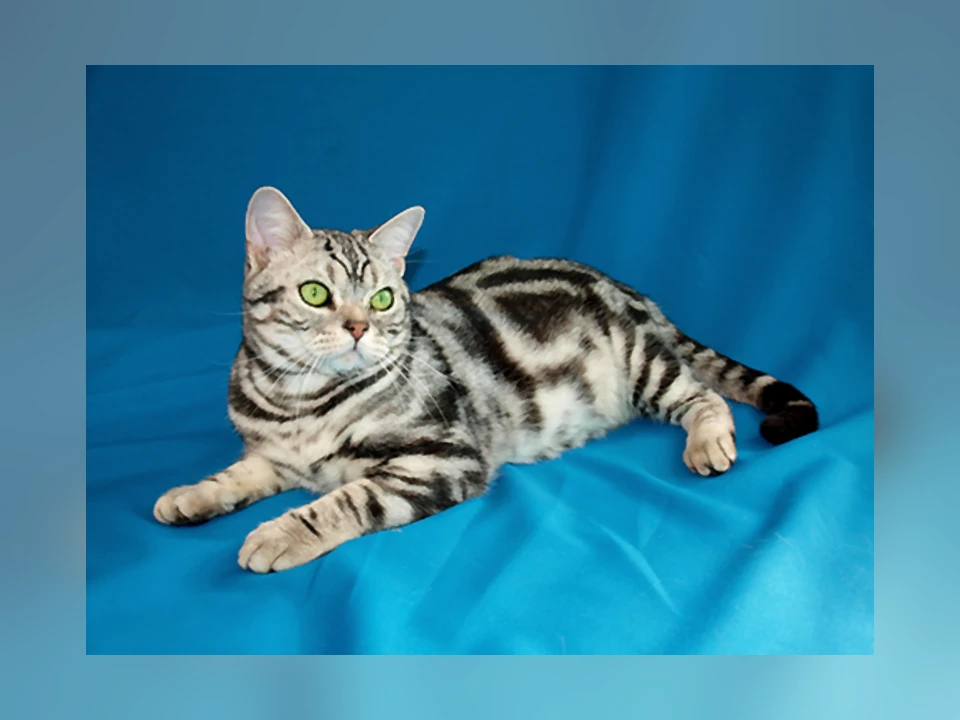
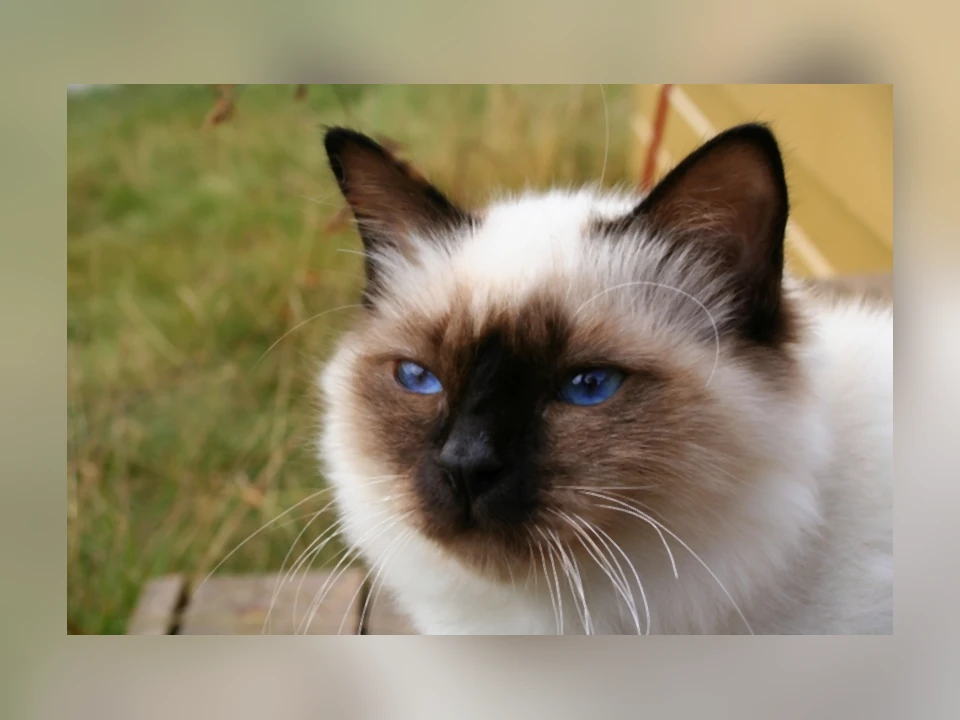
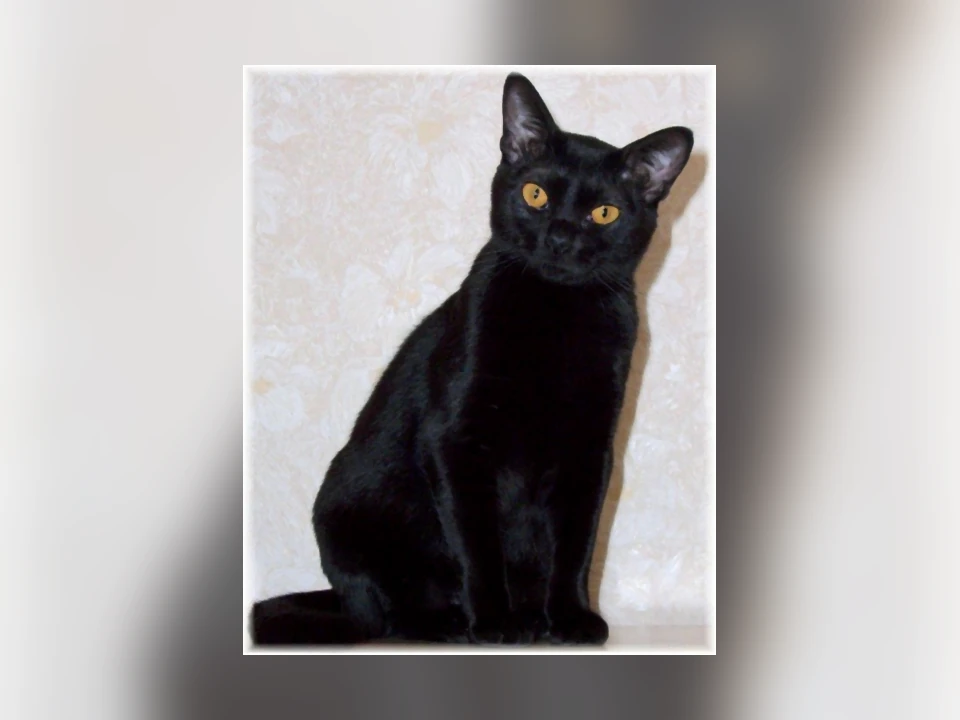
Scores are PetGrit's own 1–5 trait ratings, graded against breed-standard and veterinary sources. Browse the full breed dataset →
Sources & method
- PetGrit cat breed dataset — 1–5 energy ratings — Graded against breed-standard and veterinary sources; single-sourced from each profile.
- Breed-standard temperament and activity-level descriptions — Context for which breeds are naturally calm and suit lower-engagement households.
The short version
- The British Shorthair, Chartreux, and Exotic Shorthair are among the calmest cat breeds, scoring the lowest energy levels in our dataset.
- Low energy doesn't mean no enrichment — calm cats still need daily play and mental stimulation to stay healthy and avoid obesity.
- A sudden drop in activity or appetite can signal illness or stress; it's not something to ignore, even in a naturally low-energy breed.
Frequently asked questions
What are the calmest cat breeds?
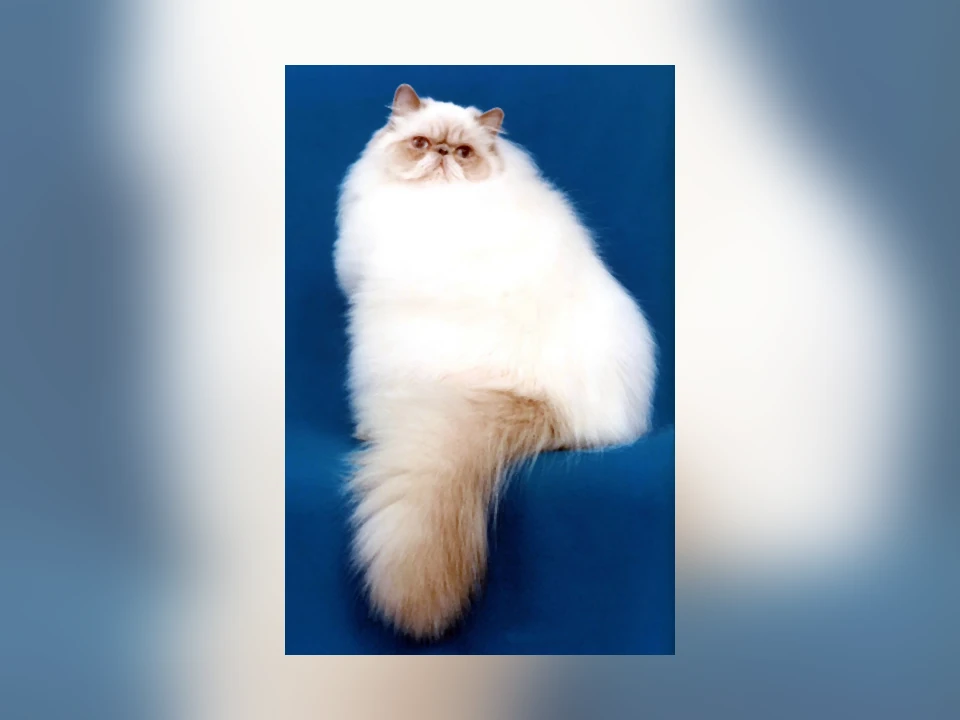
The British Shorthair, Chartreux, and Exotic Shorthair score lowest for energy — they're relaxed, affectionate cats that are content to lounge and nap. The Persian, Himalayan, Ragamuffin, Ragdoll, and Selkirk Rex are similarly calm and low-key. These breeds are happy with quiet company, window-watching, and gentle play rather than constant activity.
Do calm cats still need play?
Yes, absolutely. Even the most laid-back cat needs daily play and enrichment — puzzle toys, interactive wand games, and climbing spaces. Without engagement, even a naturally calm cat can gain weight, become bored, or develop behavioral issues. Low-energy breeds just need less than a high-energy one, not none.
Can a calm cat suddenly become active, or vice versa?
Personality changes happen with age and confidence, but sudden shifts in activity warrant attention. A sudden drop in energy, appetite, or grooming in a normally calm cat can signal pain, hyperthyroidism, kidney disease, or stress — all things your vet should check. A formerly calm cat that suddenly becomes hyperactive is less common but can happen with medical issues or major stressors.
Related reading
More rankings
Low-noise pet care
Get PetGrit care check-ins worth opening
New report workflows, calm checklists, and practical pet-care updates for dog and cat parents. No spam, no fear-selling. Unsubscribe anytime.
Prefer a personalized brief? Prepare a visit brief.