Quietest Cat Breeds (Least Vocal)
If a cat that holds full conversations sounds like a nightmare, start here. These breeds are the strong, silent types.
How we built it
Computed automatically from PetGrit's 1–5 vocalness rating on each cat profile (1 = very quiet, 5 = very talkative), sorted quietest first. Ratings are graded against breed-standard and veterinary sources; ties are listed alphabetically.
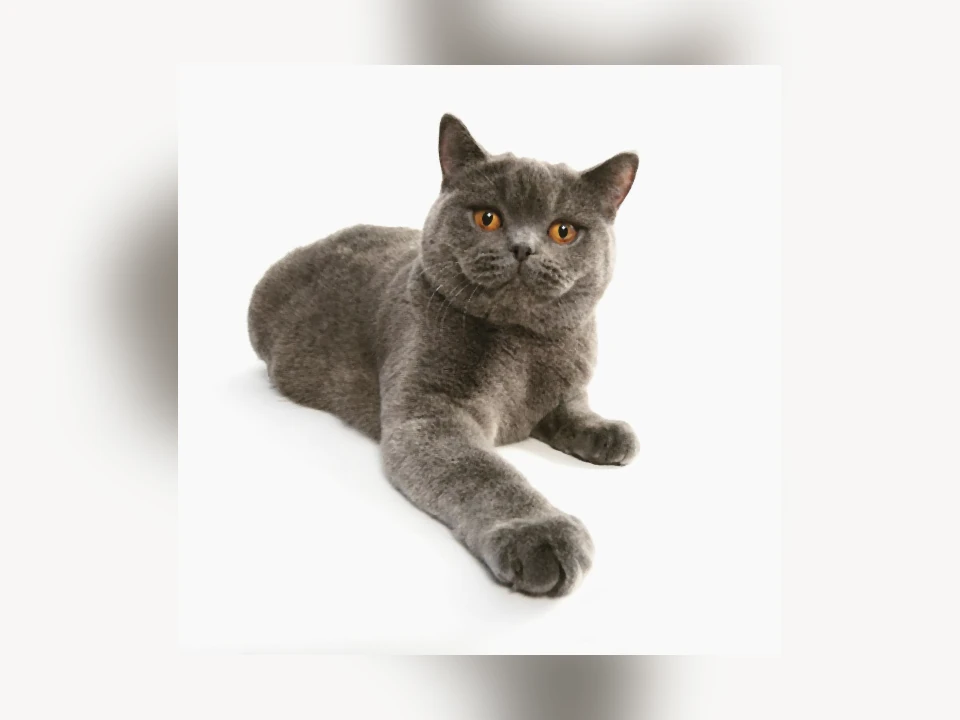
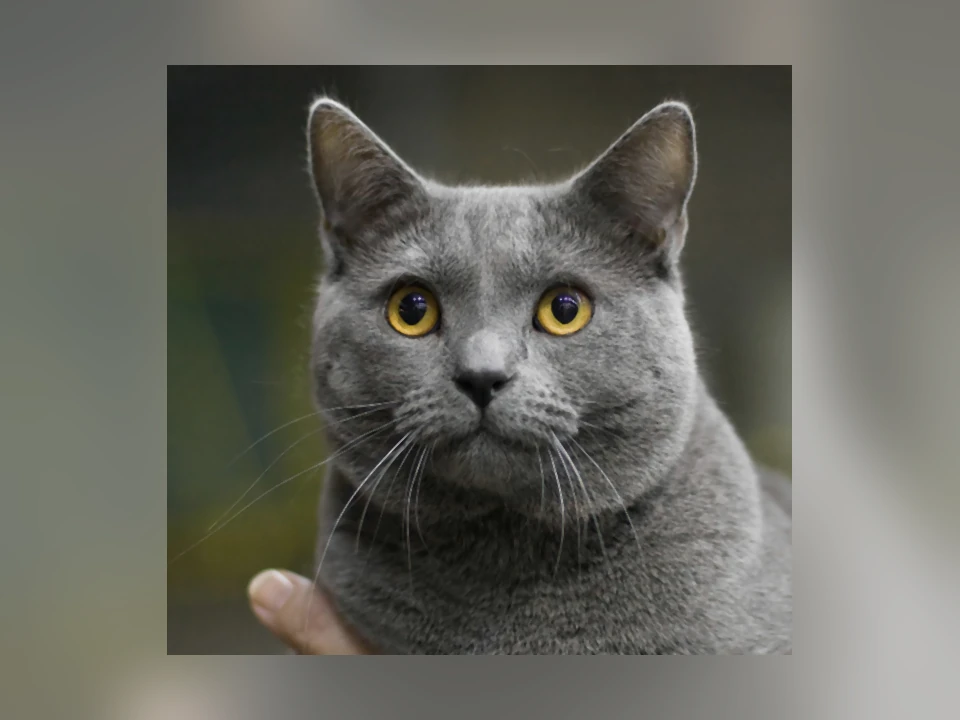
Not everyone wants a cat that announces every thought. Some breeds are famously quiet — communicating with a look or a soft chirp rather than the loud, persistent 'conversation' of a Siamese. This ranking is computed live from PetGrit's 1–5 vocalness rating on every cat profile, quietest first. The British Shorthair and Chartreux lead a group of calm, undemanding cats that make peaceful housemates, especially in apartments with thin walls.
Visit preparation
Bring your questions to the next visit
Add your own observations and questions in the visit tool. Rankings are not copied into the brief or used as a clinical assessment.
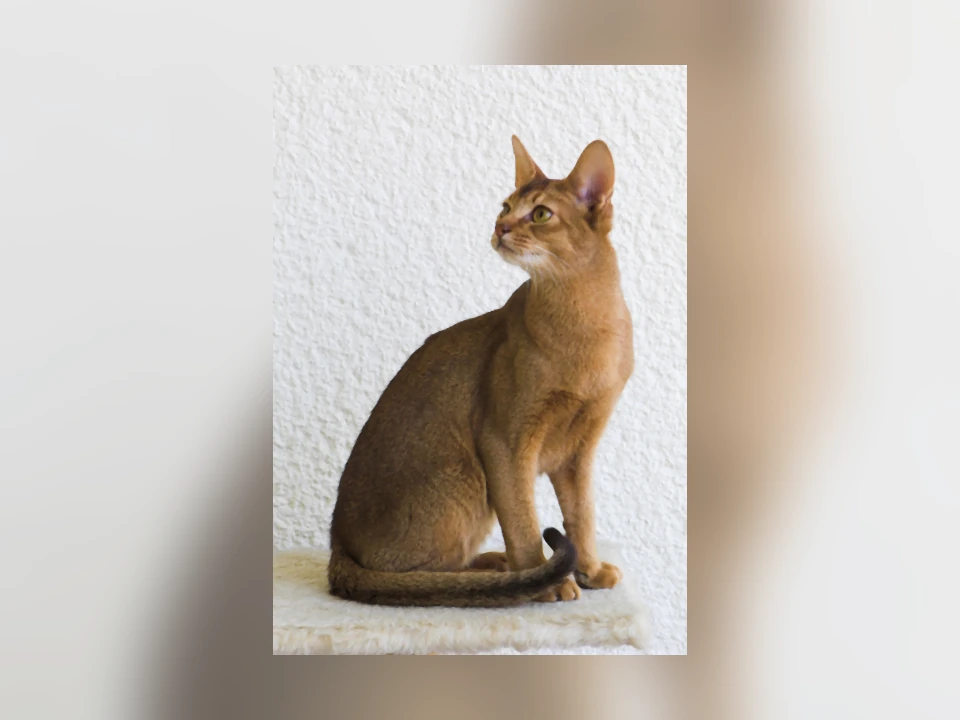
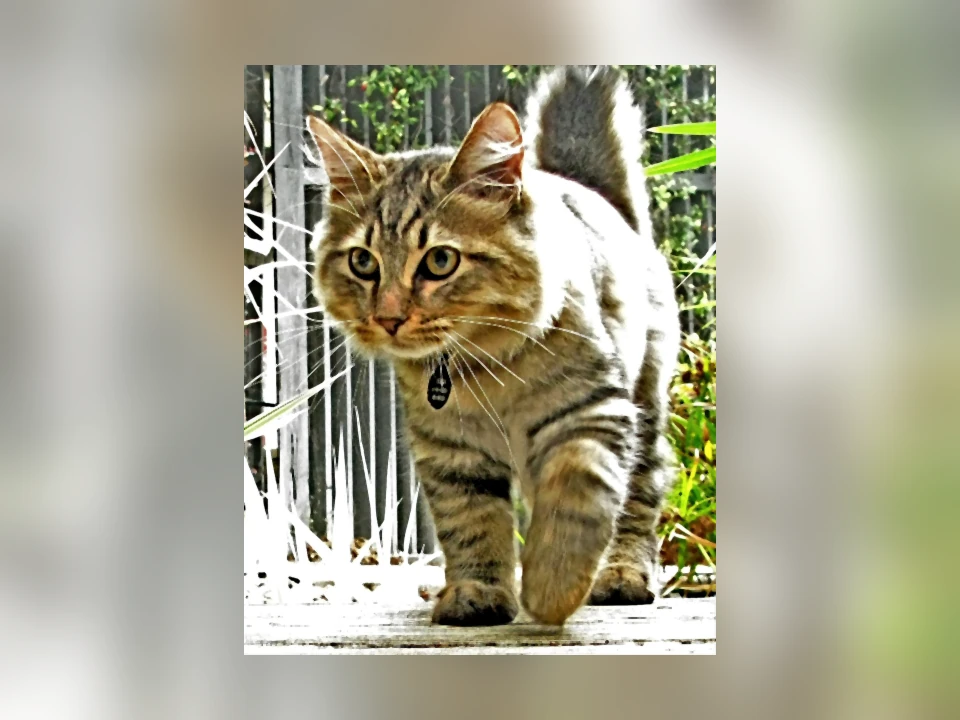
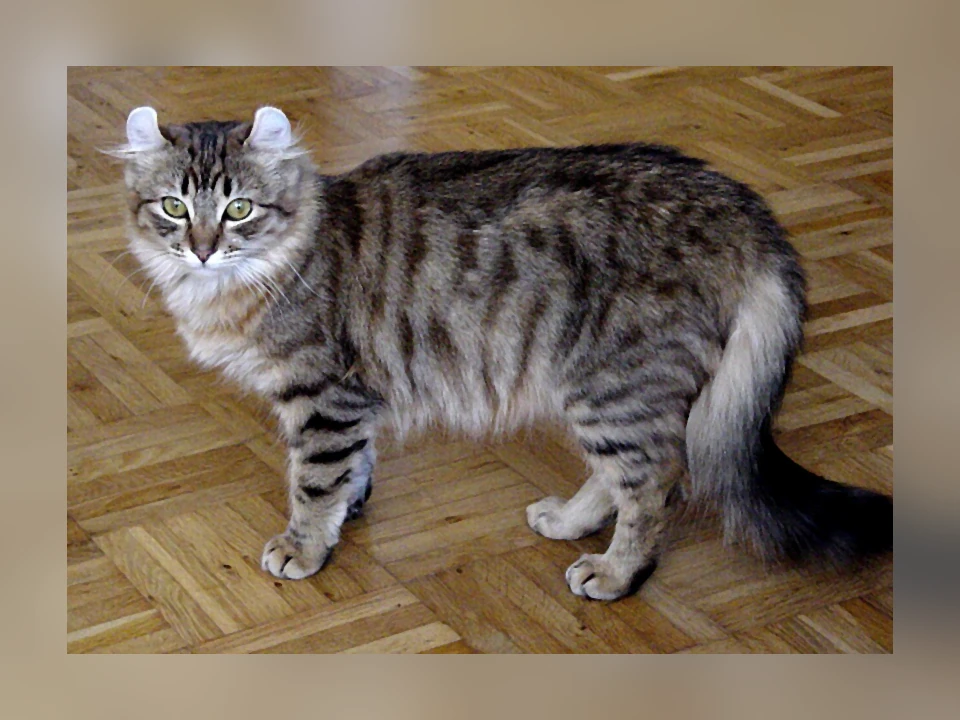
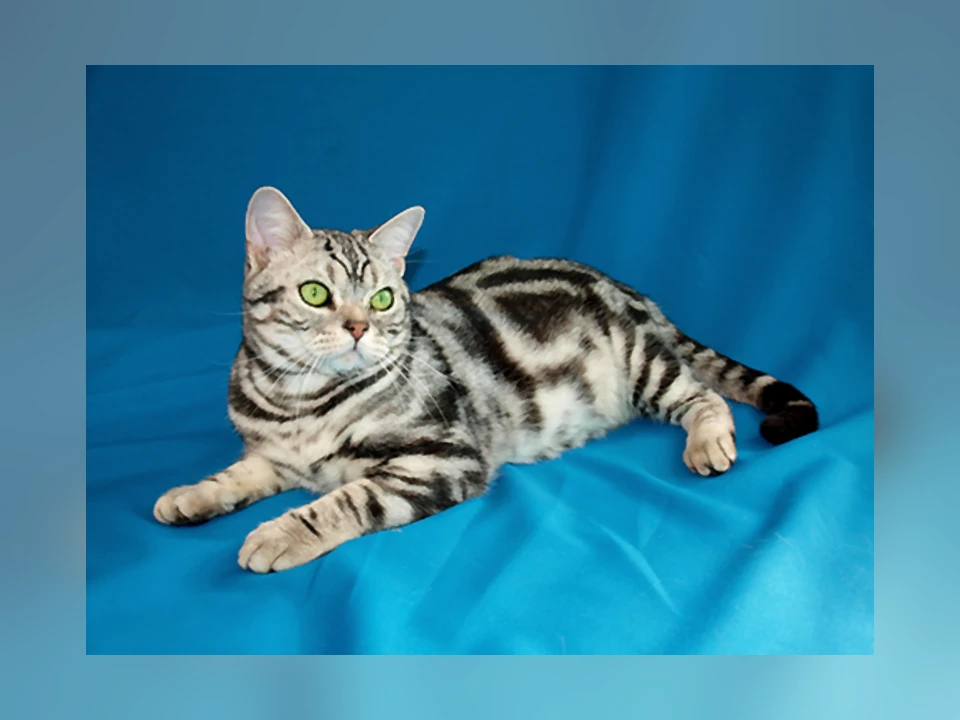
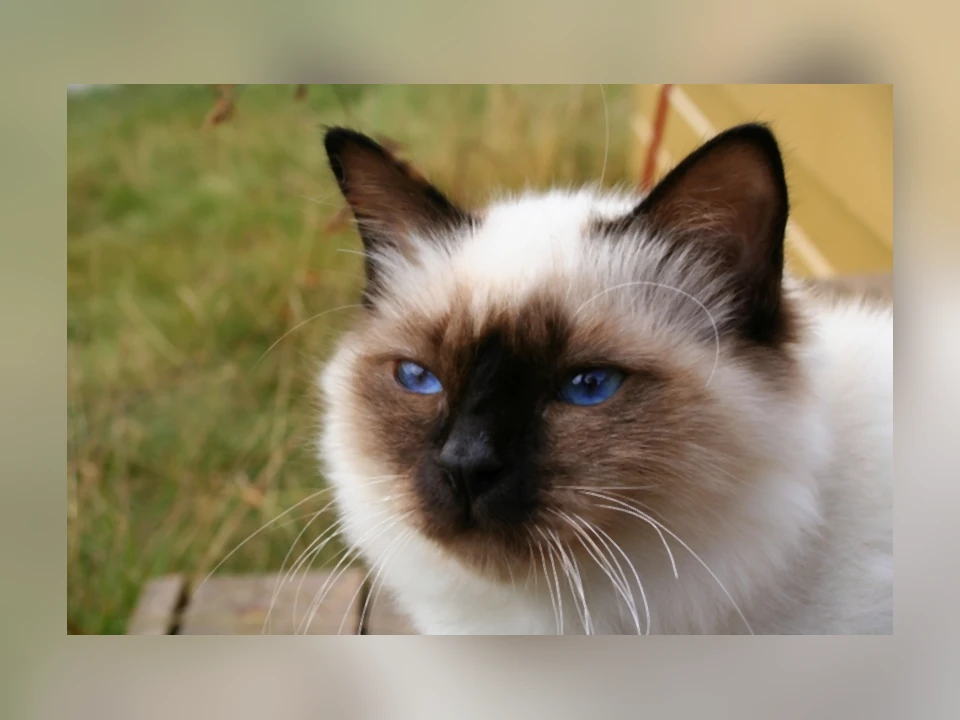
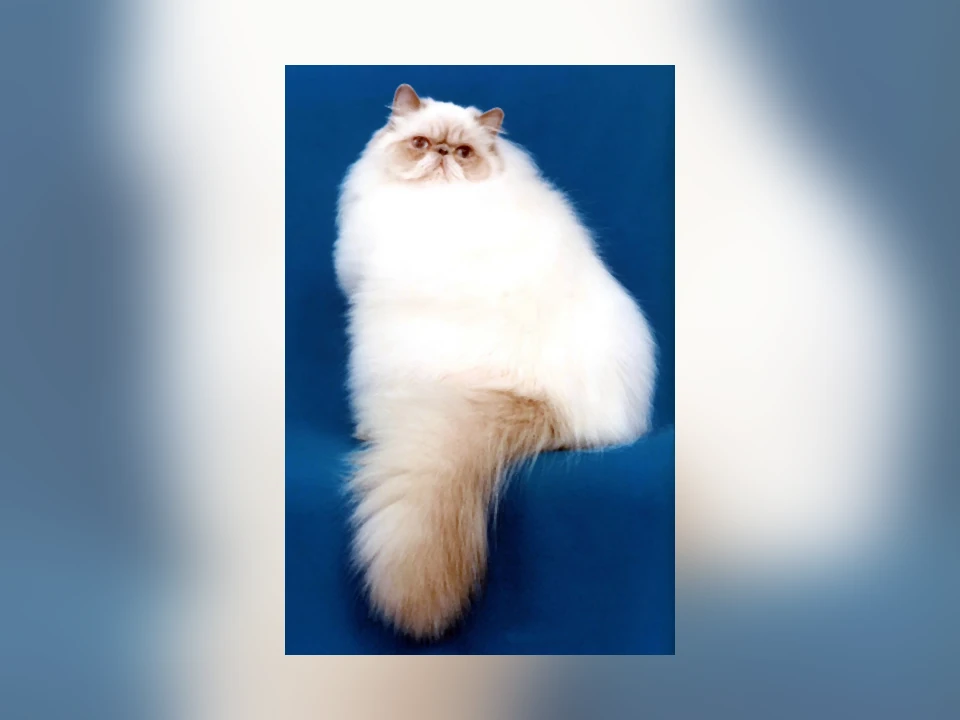
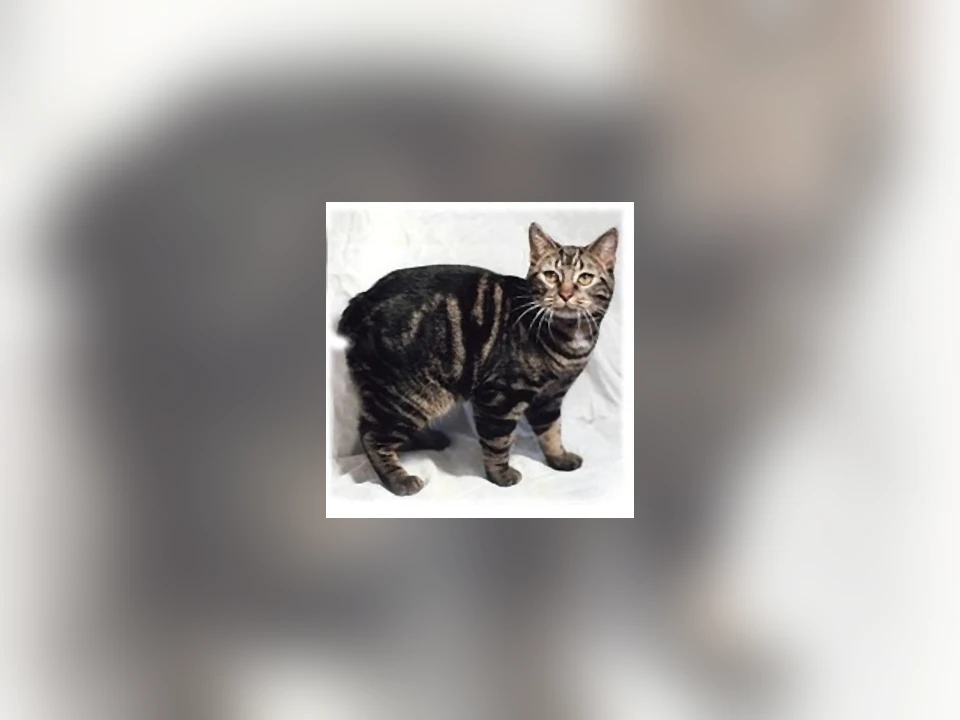
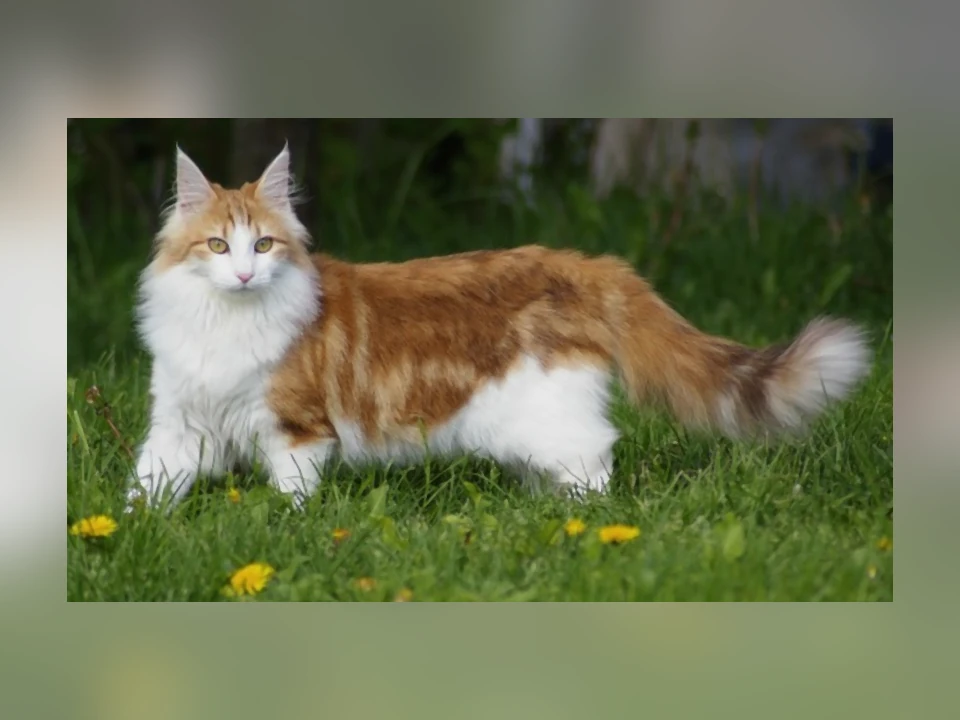
Scores are PetGrit's own 1–5 trait ratings, graded against breed-standard and veterinary sources. Browse the full breed dataset →
Sources & method
- PetGrit cat breed dataset — 1–5 vocalness ratings — Graded against breed-standard and veterinary sources, single-sourced from each profile.
- Veterinary guidance on changes in cat vocalization — Context for when a change in vocalizing signals a health issue.
The short version
- The British Shorthair and Chartreux are among the quietest cat breeds, scoring a 1 out of 5 for vocalness.
- Quiet breeds tend to be calm, independent cats that communicate softly rather than demanding attention out loud.
- Quiet is a breed baseline — a sudden change in how much a cat vocalizes can be a health sign worth a vet visit.
Frequently asked questions
What is the quietest cat breed?
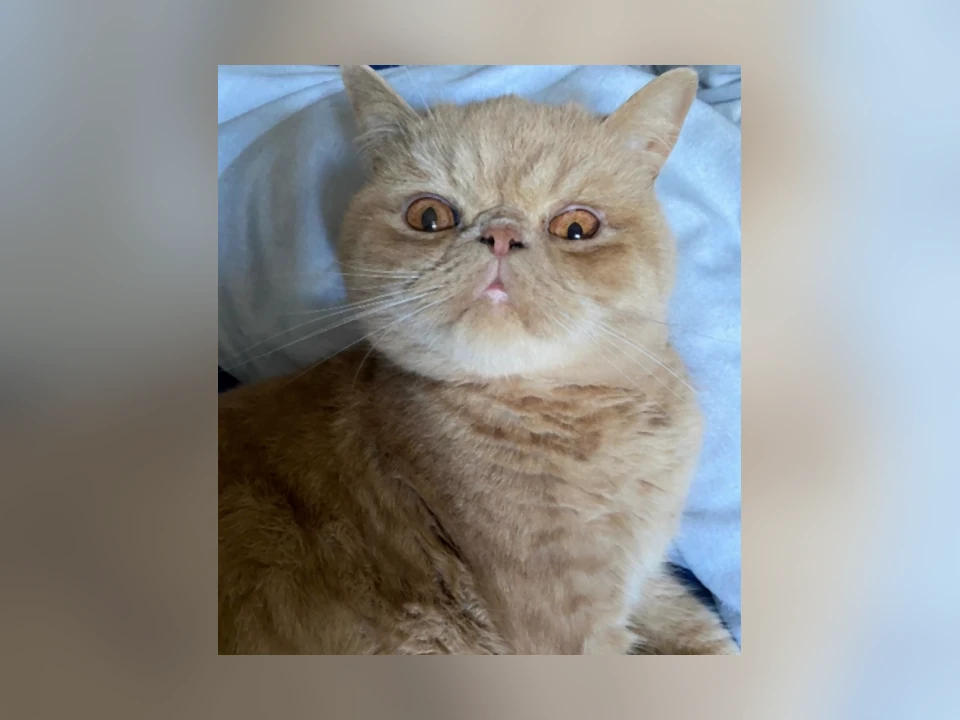
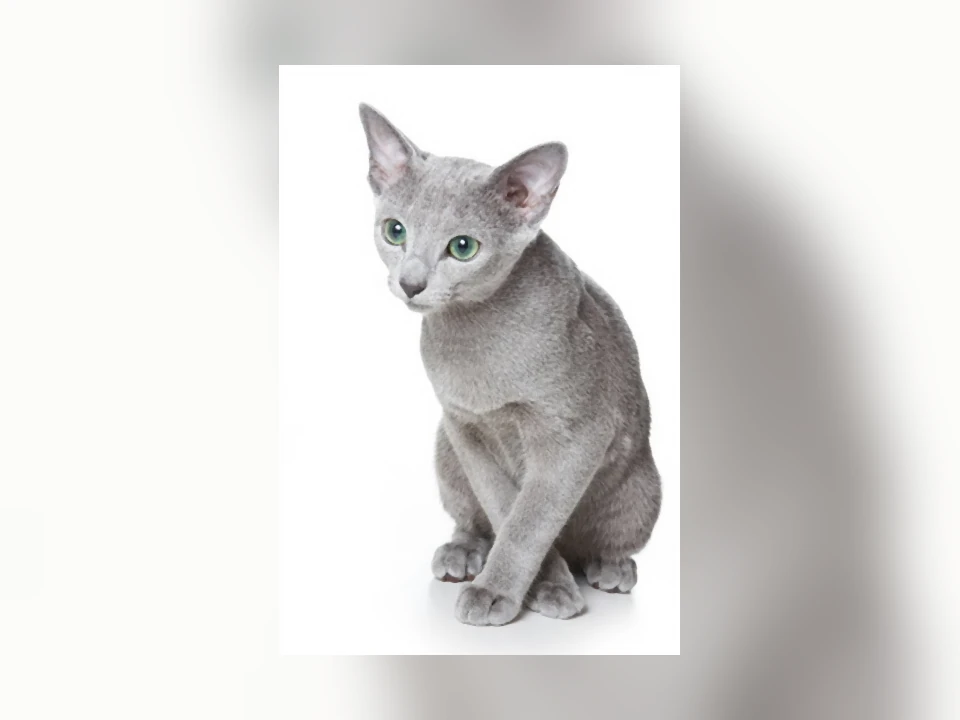
The British Shorthair and Chartreux are among the quietest cat breeds, both scoring the lowest possible vocalness in our dataset. They're calm, dignified, relatively independent cats that tend to communicate with a soft chirp or a look rather than loud meowing. The Russian Blue and Exotic Shorthair are similarly soft-spoken.
Are quiet cats less affectionate?
Not at all — they just express it differently. Quiet breeds like the British Shorthair are often devoted but undemonstrative, happy to be near you rather than loudly on you. Vocalness and affection are separate traits: some of the most affectionate breeds (like the Ragdoll) are also fairly quiet, while the loudest (the Siamese) are loud precisely because they're so people-focused.
Why is my normally quiet cat suddenly meowing a lot?
Take it seriously. A clear change from your cat's normal vocal baseline can signal a medical problem — common causes include hyperthyroidism and high blood pressure in older cats, pain, and cognitive dysfunction (which often causes nighttime yowling in seniors). A cat crying or straining in the litter box may have a urinary blockage, which is a life-threatening emergency. If a quiet cat becomes loud, especially with other changes, see a vet promptly.
Related reading
More rankings
Low-noise pet care
Get PetGrit care check-ins worth opening
New report workflows, calm checklists, and practical pet-care updates for dog and cat parents. No spam, no fear-selling. Unsubscribe anytime.
Prefer a personalized brief? Prepare a visit brief.