Biggest Dog Breeds by Weight
The English Mastiff can outweigh an adult human. Here are the true giants of the dog world — and the realities of living with that much dog.

How we built it
Computed automatically from the breed-standard adult-weight range on each PetGrit dog profile, ranked by the high end of that range. Weights are parsed from the same figures the profiles display.
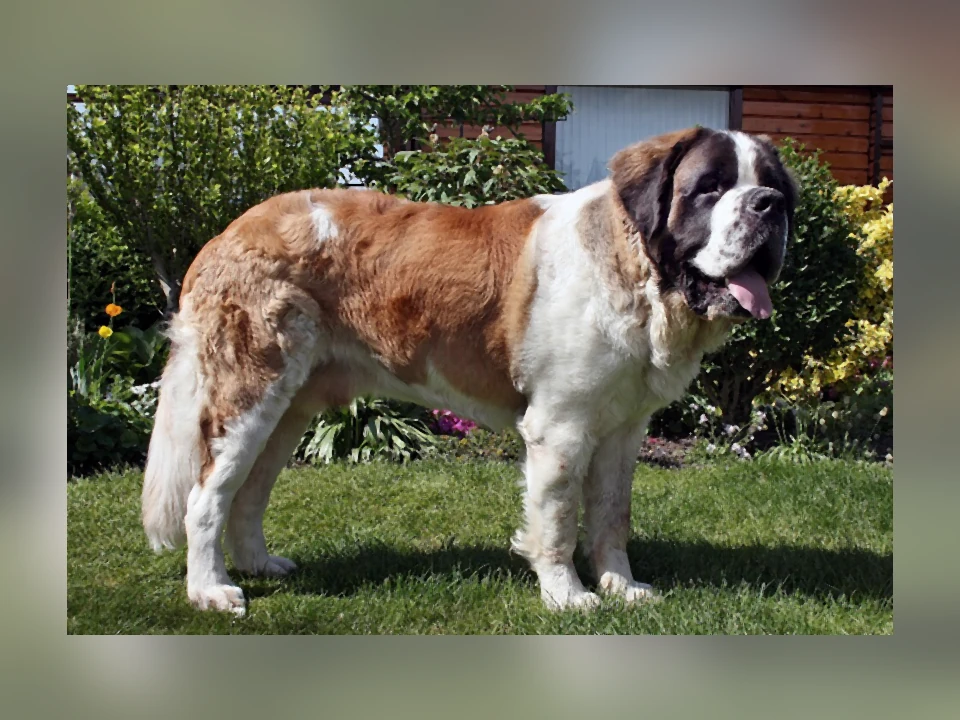
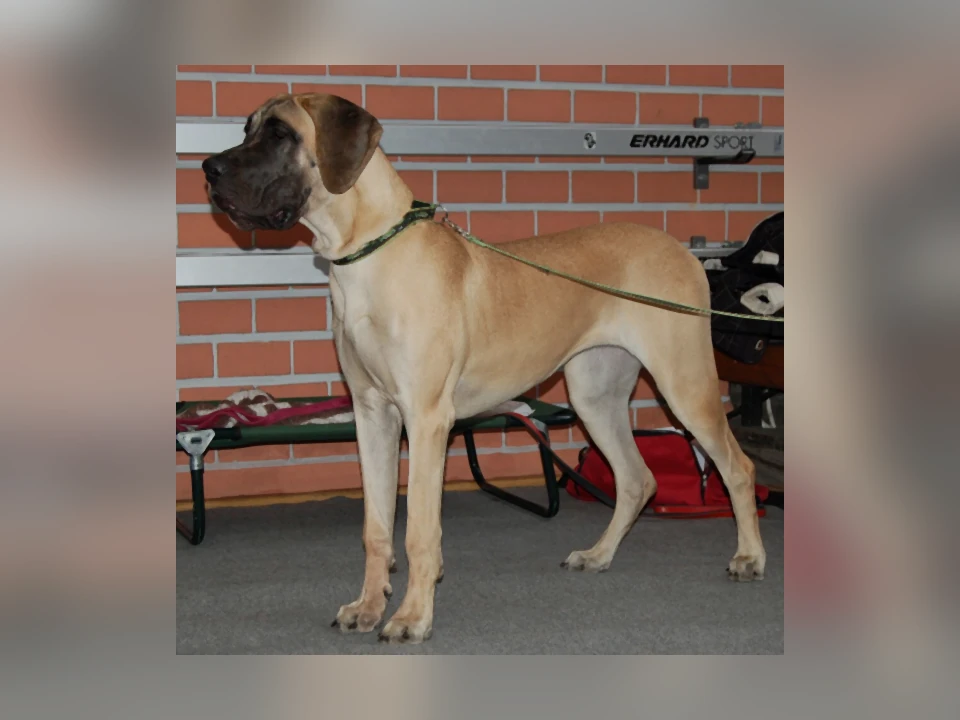
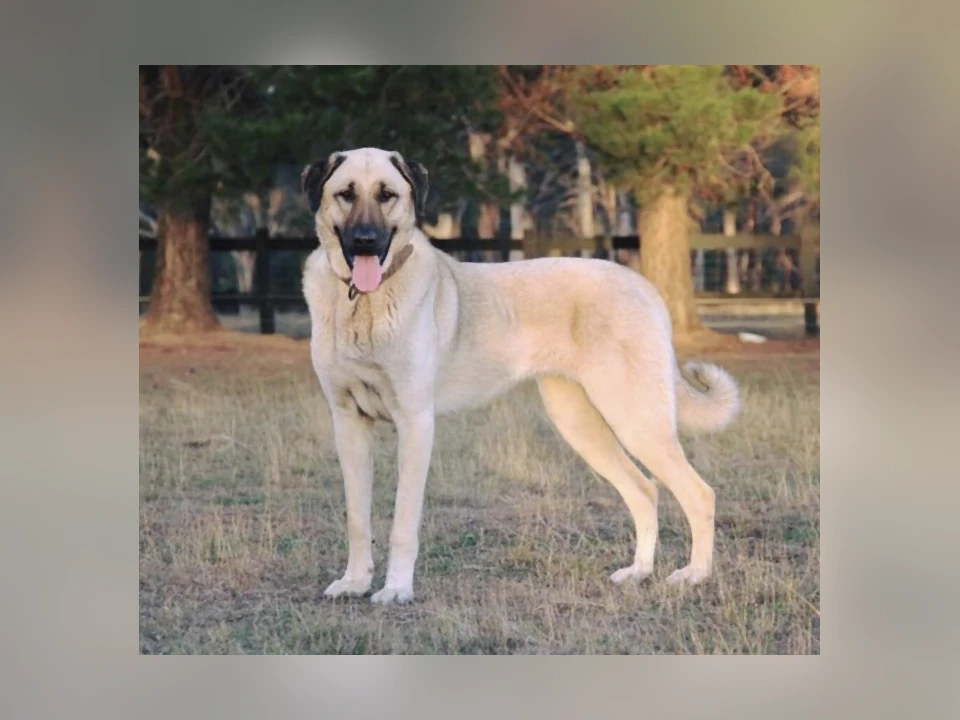
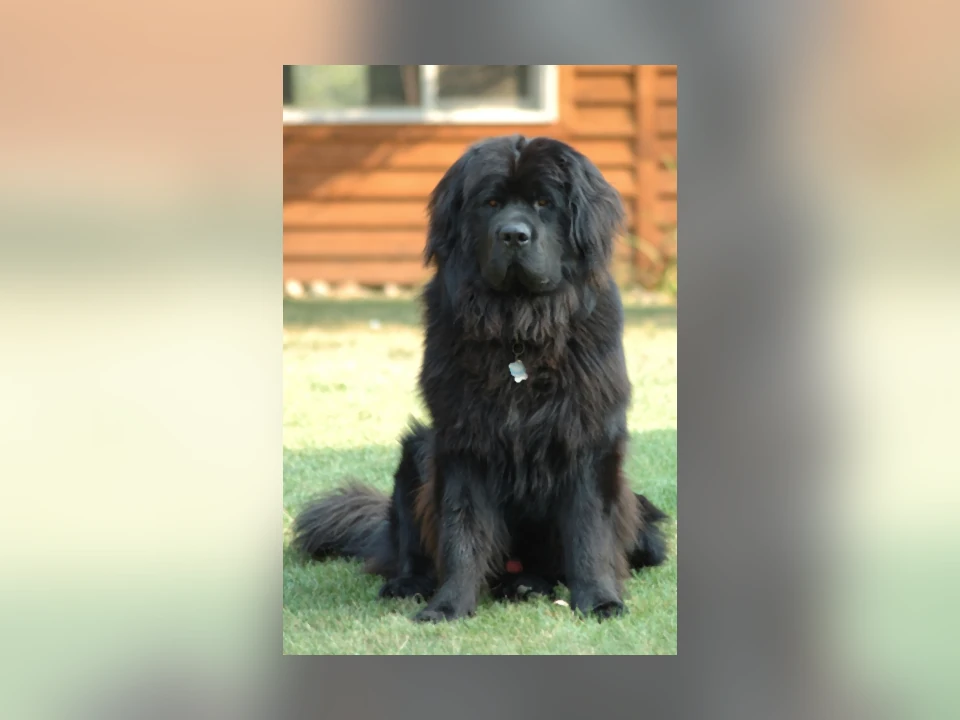
Some dogs are simply enormous. The giant breeds were built to guard livestock, haul carts, and pull people from icy water, and a few of them can tip the scales past 200 pounds. This ranking is computed live from the breed-standard adult weight on every dog profile in our dataset, ordered by the top of each weight range. A giant dog is a wonderful thing — and a serious commitment, with the shorter lifespan and bigger bills that come with the size.
Visit preparation
Bring your questions to the next visit
Add your own observations and questions in the visit tool. Rankings are not copied into the brief or used as a clinical assessment.
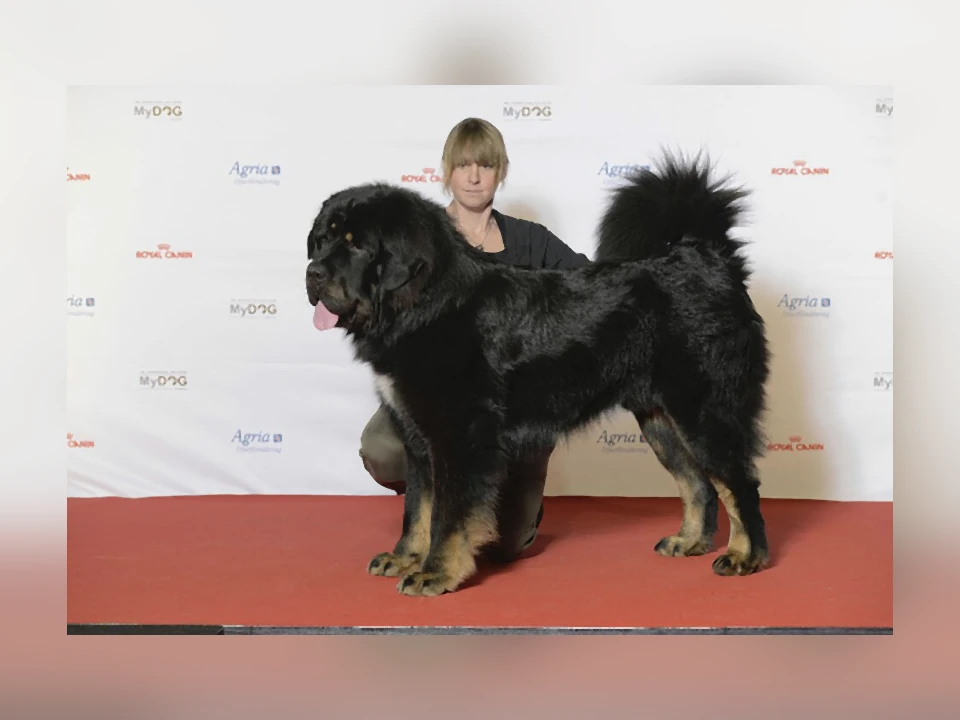
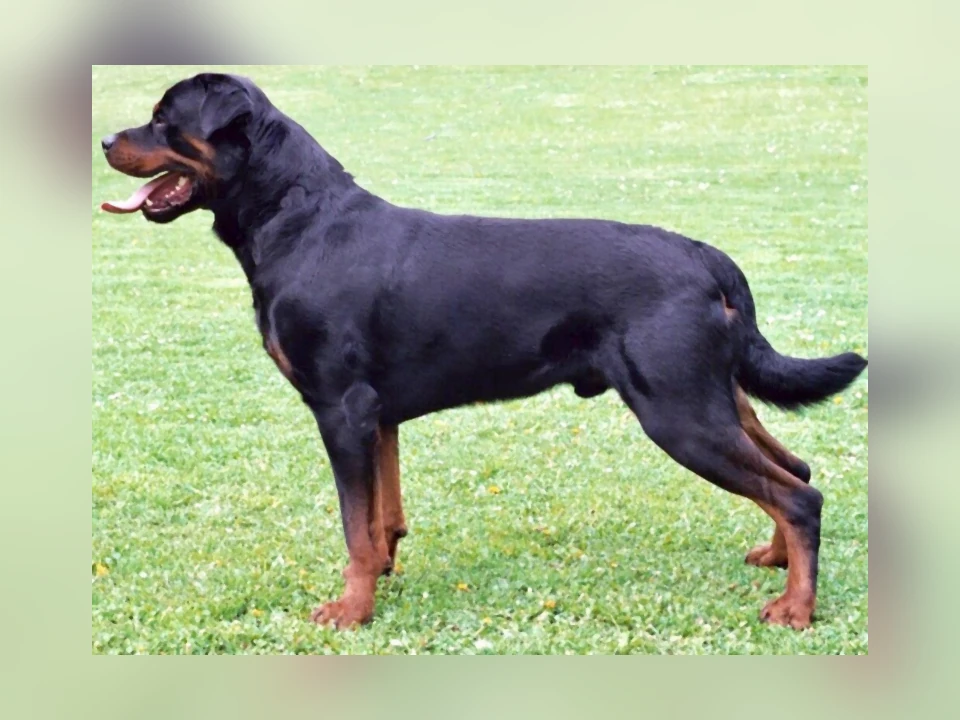
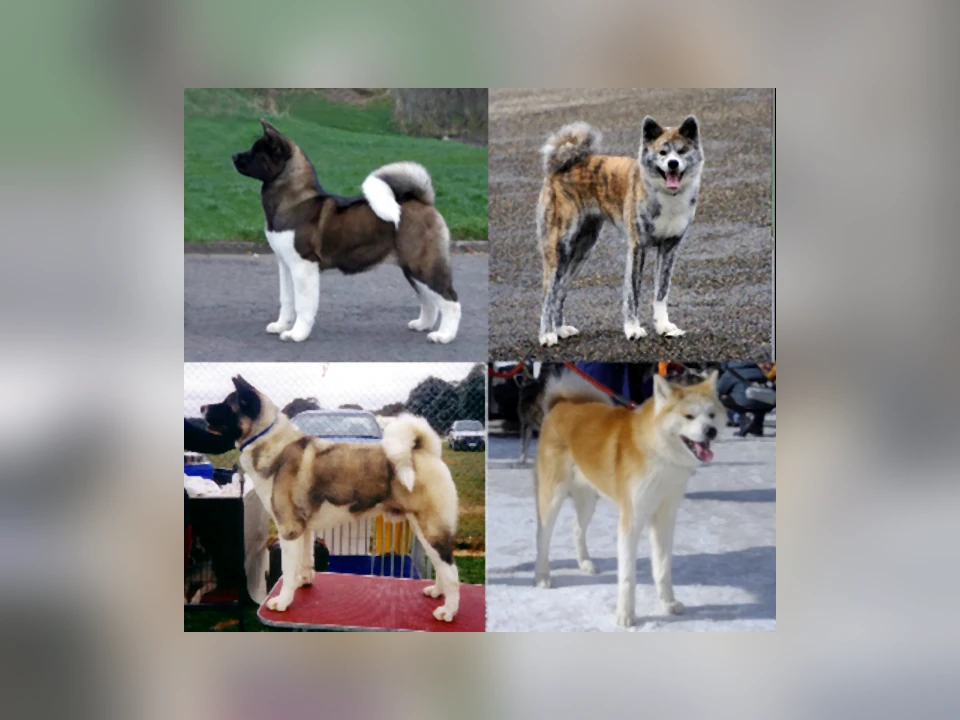
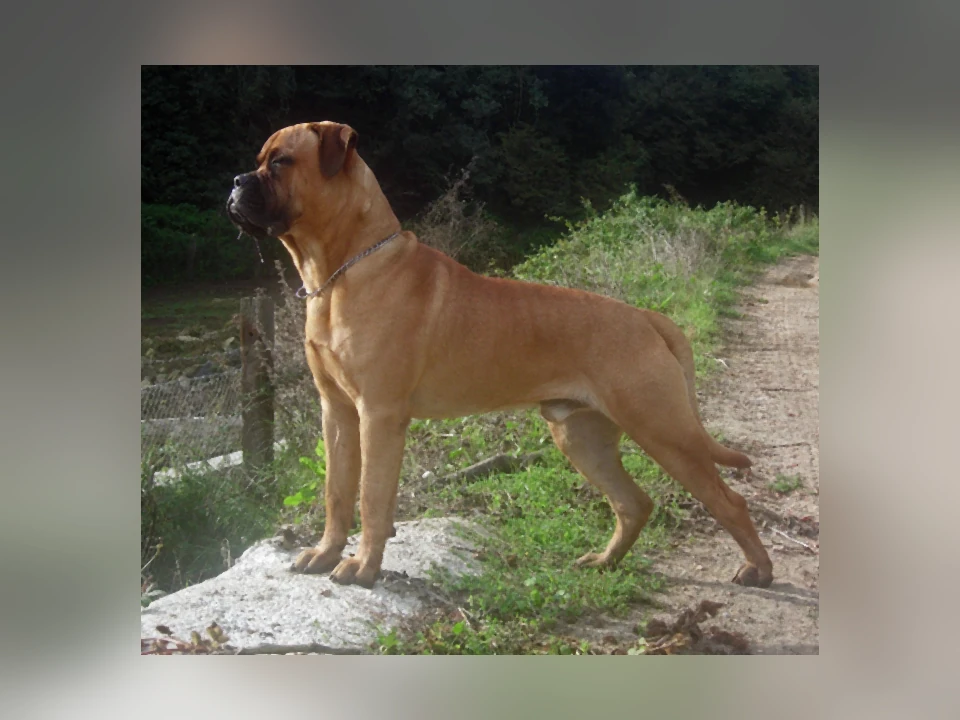



Scores are PetGrit's own 1–5 trait ratings, graded against breed-standard and veterinary sources. Browse the full breed dataset →
Free tool Dog & Cat Ideal Weight Checker Estimate ideal weight from the vet’s 9-point body condition score.Sources & method
- PetGrit breed dataset — breed-standard adult weight per breed — Drawn from breed-standard sources cited on each profile.
- Veterinary guidance on giant-breed health (bloat, joints, lifespan) — Context for the trade-offs that come with large size.
The short version
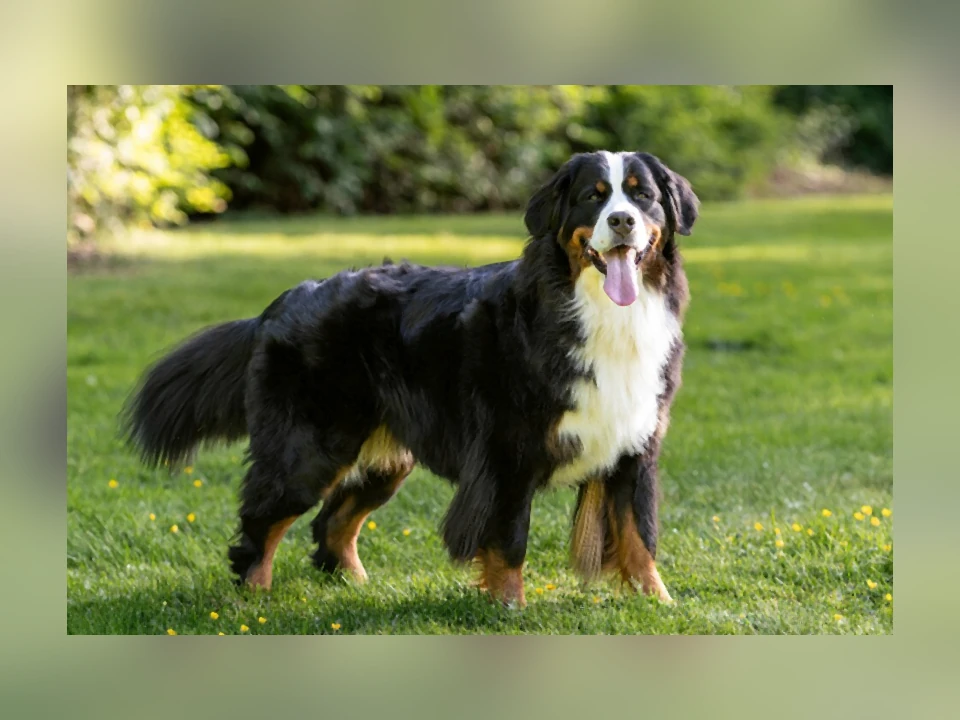
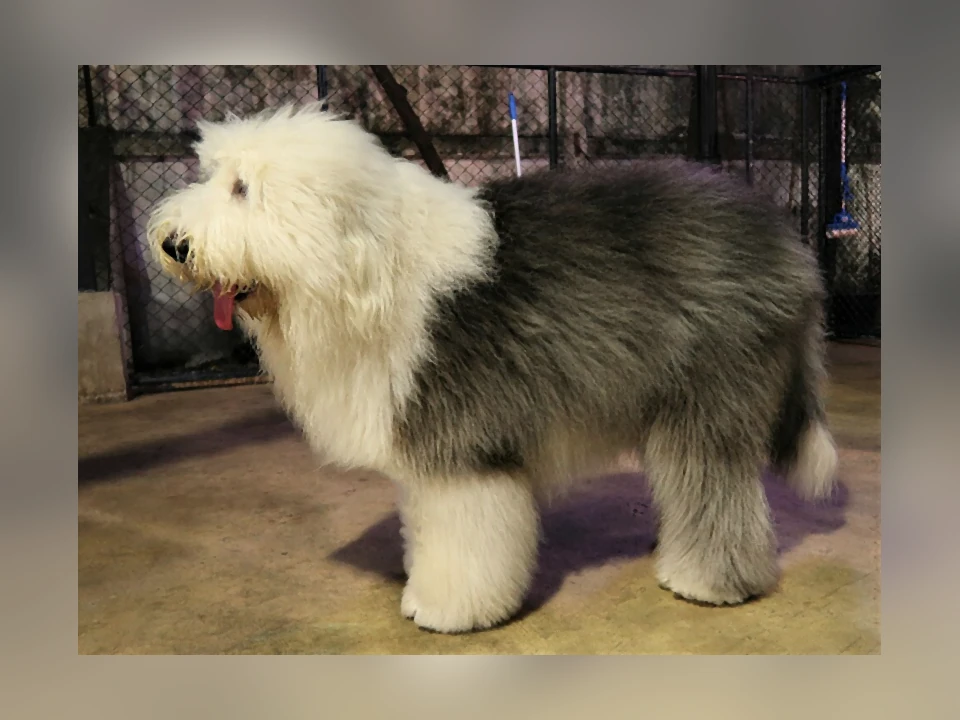
- The Mastiff is the heaviest dog breed by weight, followed by the Saint Bernard and Great Dane — all can exceed 150 pounds.
- Nearly every breed at the top is a Working-group dog bred to guard, haul, or rescue.
- Giant size means a shorter lifespan, higher bloat and joint risk, and much higher running costs — plan for all of it before falling for a puppy.
Frequently asked questions
What is the biggest dog breed?
By weight, the Mastiff (English Mastiff) is the biggest dog breed, with males commonly reaching 160–230 pounds. The Saint Bernard and Great Dane are close behind, both able to exceed 150 pounds. The Great Dane and Irish Wolfhound are typically the tallest breeds, but the Mastiff is the heaviest — it's the most massive dog by sheer bulk.
Do giant dog breeds have health problems?
Giant breeds carry specific, serious risks tied to their size. They are highly prone to bloat (gastric dilatation-volvulus), a life-threatening emergency, and to joint conditions like hip and elbow dysplasia. Many are predisposed to heart disease and bone cancer. Critically, they also have the shortest lifespans of any dogs — often just 7–10 years — so the time you get is precious and the care needs are high.
Are big dogs more expensive to own?
Considerably. A giant breed eats far more food, needs larger (pricier) doses of any medication or preventative, costs more to board or groom, and often needs bigger everything — crates, beds, vehicles. Emergency surgery, such as a bloat operation, is also a major expense. Budgeting realistically for a giant breed means planning well beyond the purchase price.
Related reading
More rankings
Low-noise pet care
Get PetGrit care check-ins worth opening
New report workflows, calm checklists, and practical pet-care updates for dog and cat parents. No spam, no fear-selling. Unsubscribe anytime.
Prefer a personalized brief? Prepare a visit brief.