Longest-Living Dog Breeds
Want the most years together? Small breeds win the lifespan game — but a few tough working dogs keep pace. Here's the data.
How we built it
Computed automatically from the typical-lifespan range on each PetGrit dog profile, ranked by the midpoint of that range. The figures come from the same breed-standard and veterinary sources the profiles cite — so this ranking can never drift from the breeds it links to.
If a long life together is what you're after, breed is one of the biggest levers you can pull — and the pattern is clear. Small and toy breeds consistently outlive large and giant ones, often by years, because big dogs age faster. This ranking is computed live from the typical lifespan on every dog profile in our dataset, sorted by the midpoint of each breed's range. The top of the list is dominated by toy breeds, with a couple of notably hardy working and herding dogs keeping surprising company.
Visit preparation
Bring your questions to the next visit
Add your own observations and questions in the visit tool. Rankings are not copied into the brief or used as a clinical assessment.
- 10
 12–16 years

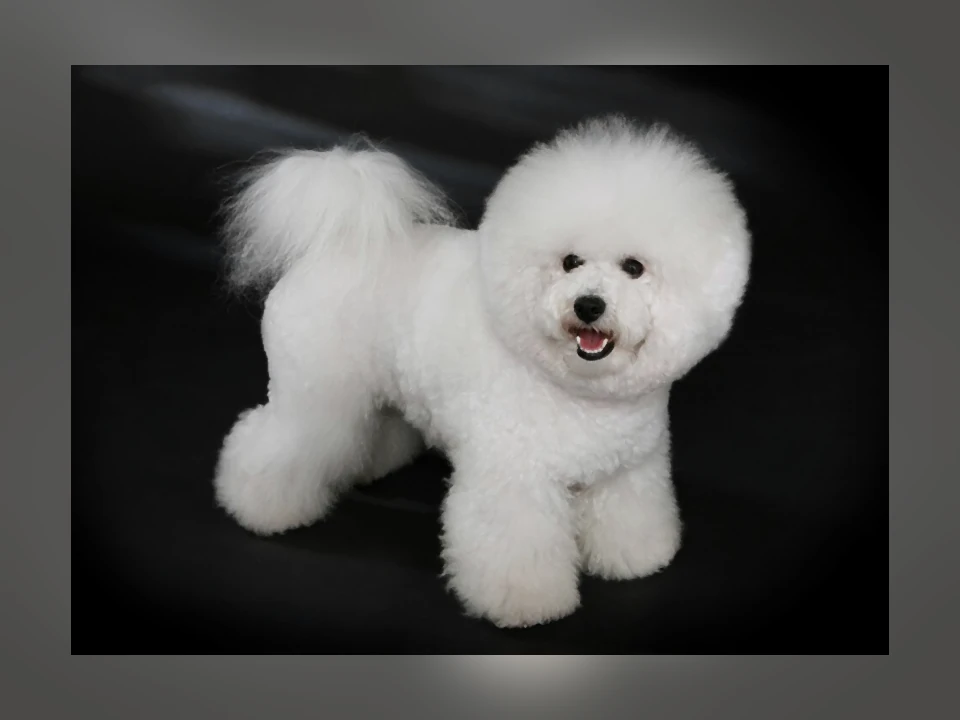
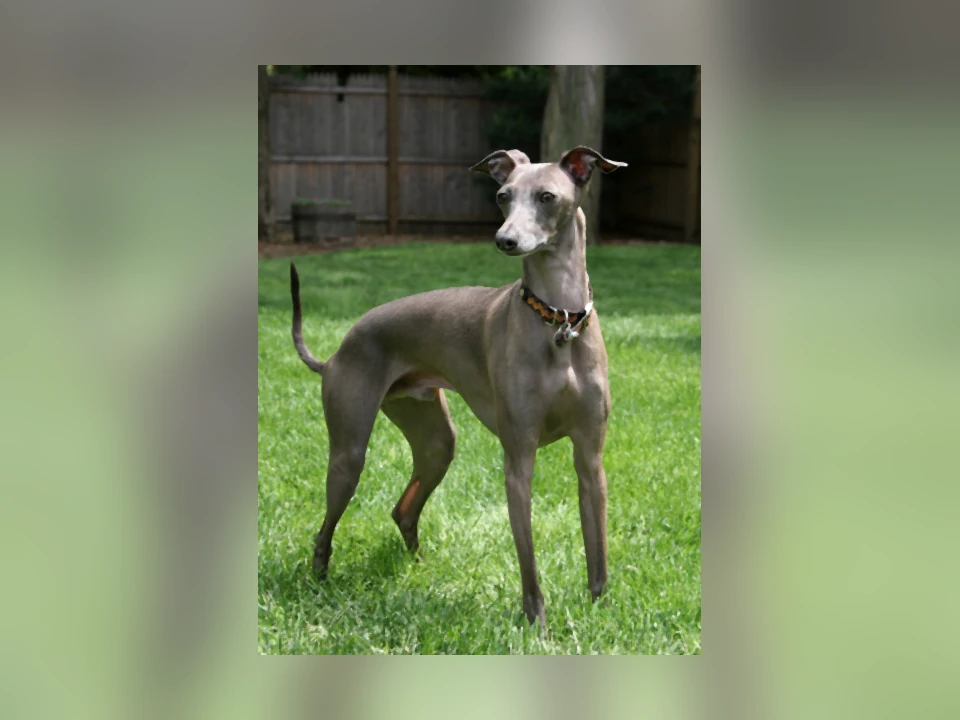

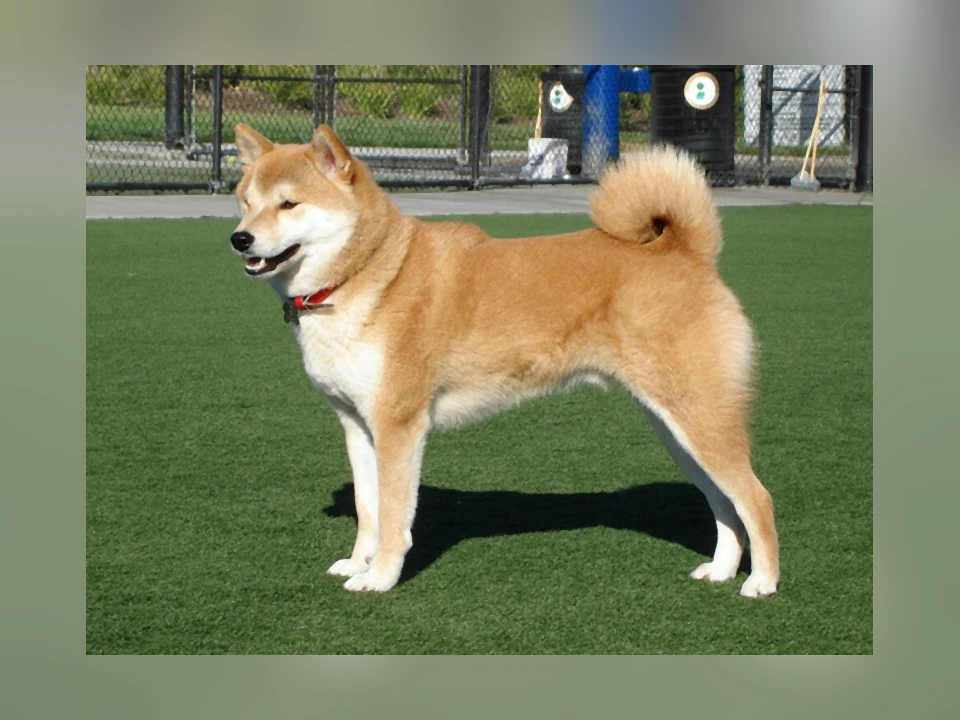
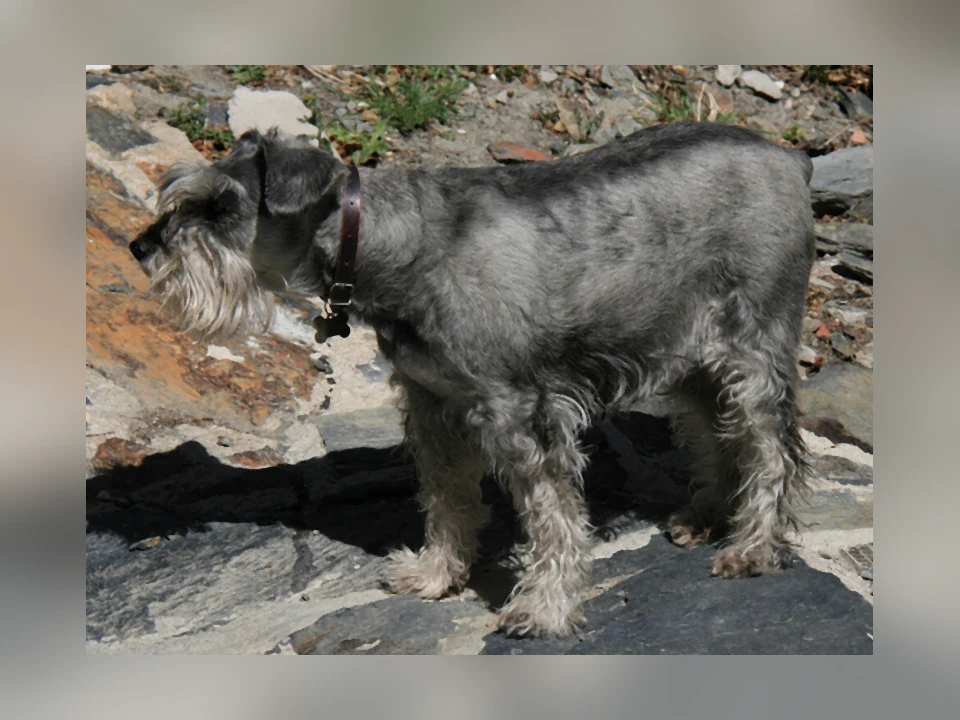
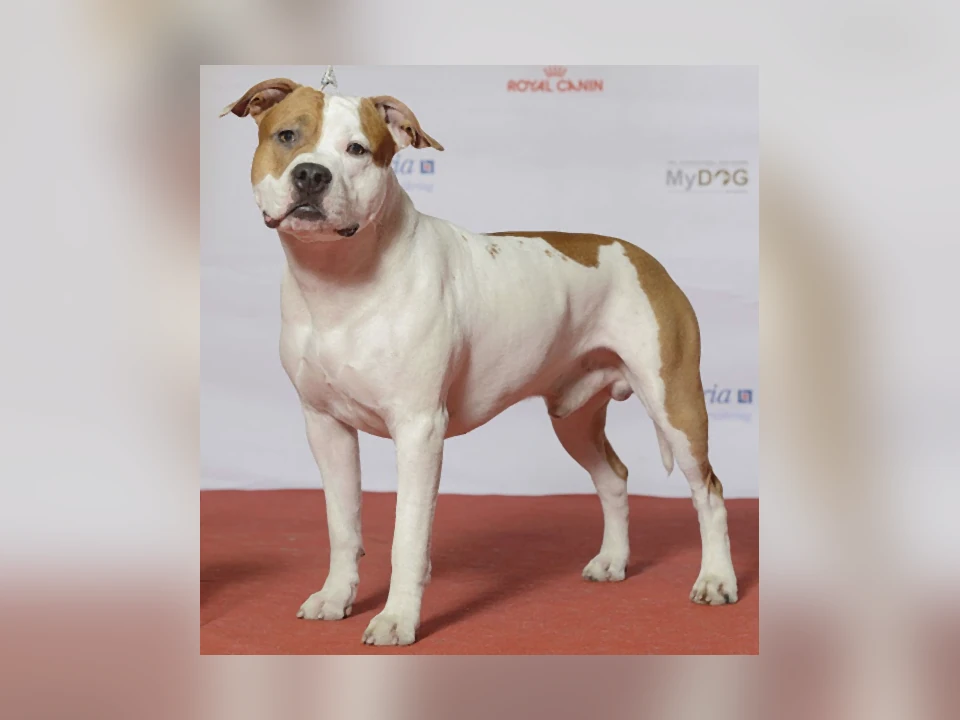
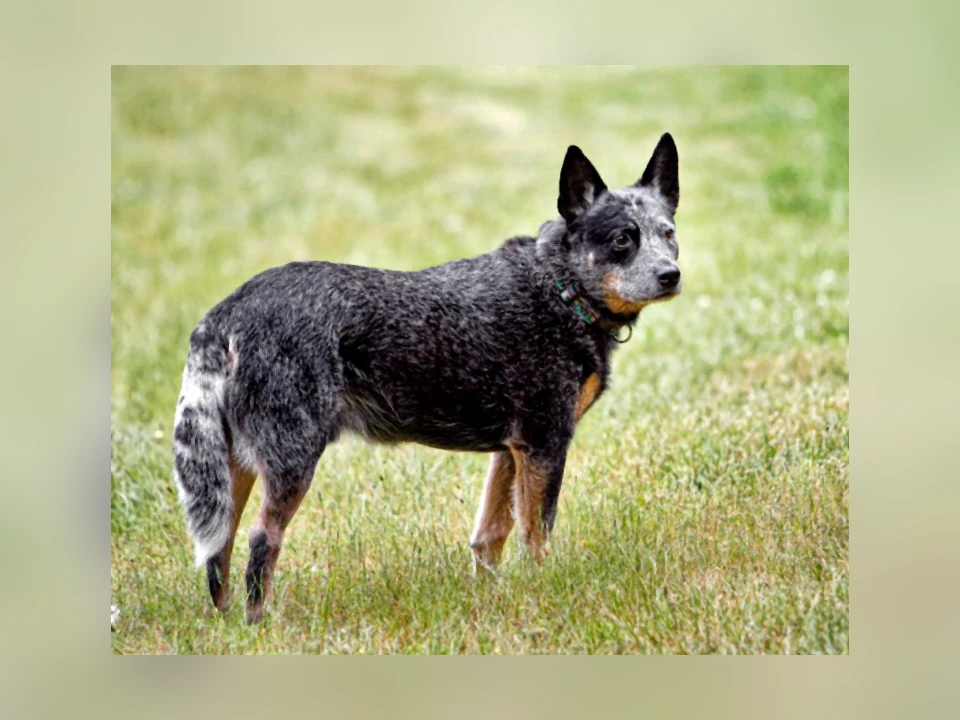
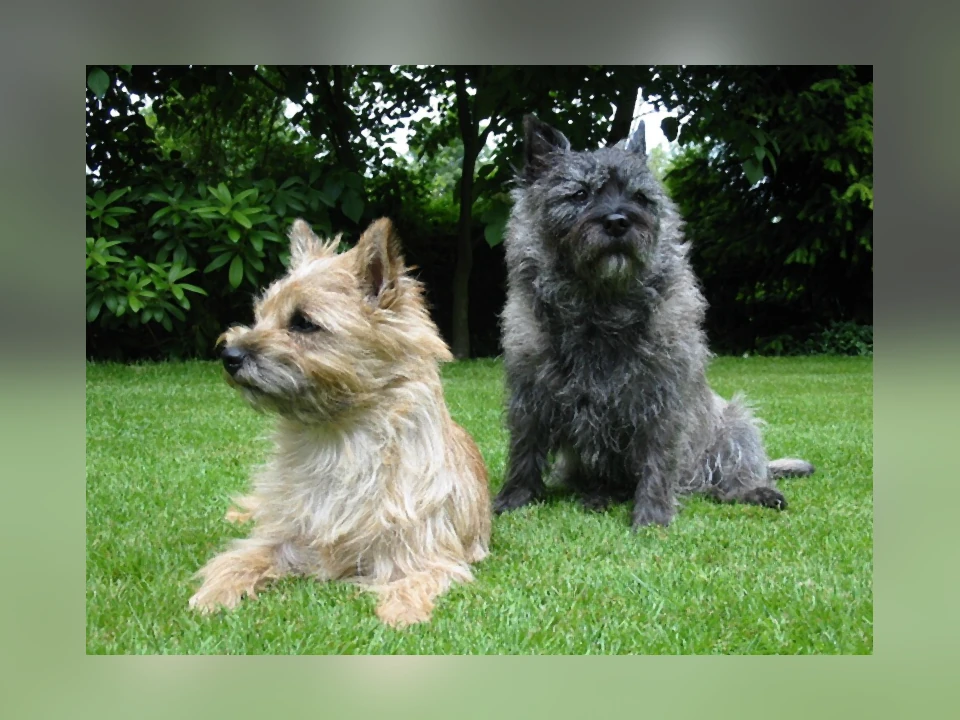
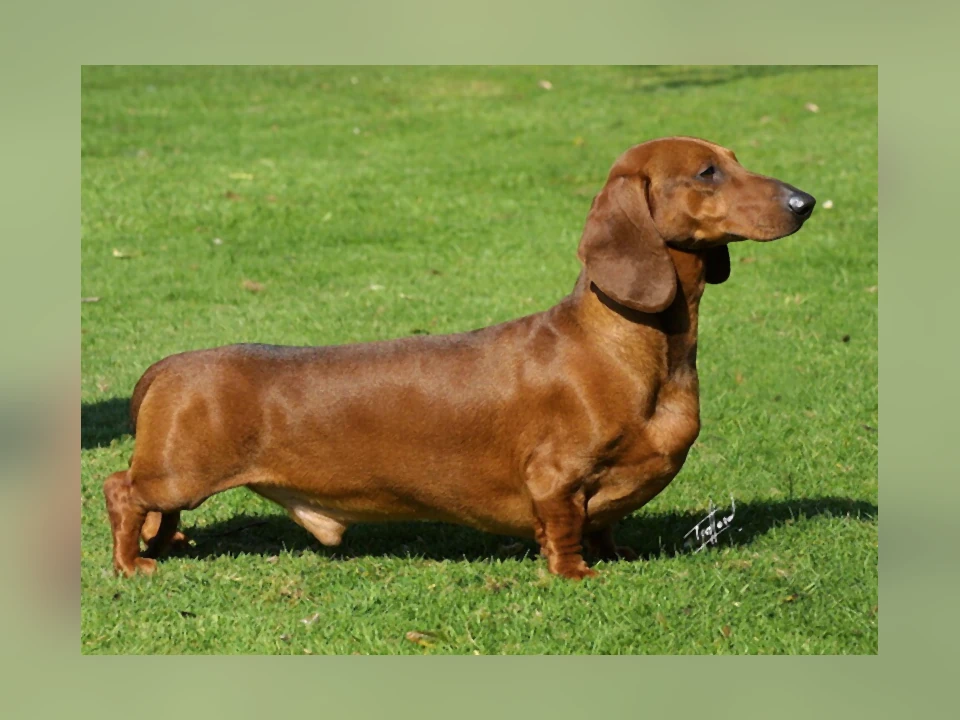

Scores are PetGrit's own 1–5 trait ratings, graded against breed-standard and veterinary sources. Browse the full breed dataset →
Free tool Dog & Cat Age Calculator Pet years to human years — the real curve, not the ×7 myth.Sources & method
- PetGrit breed dataset — typical lifespan per breed — Drawn from breed-standard and veterinary sources cited on each profile.
- Veterinary research on body size and canine lifespan — Context for why smaller breeds outlive larger ones.
The short version
- Small and toy breeds dominate the longest-living list — most of the top breeds average around 14–16 years.
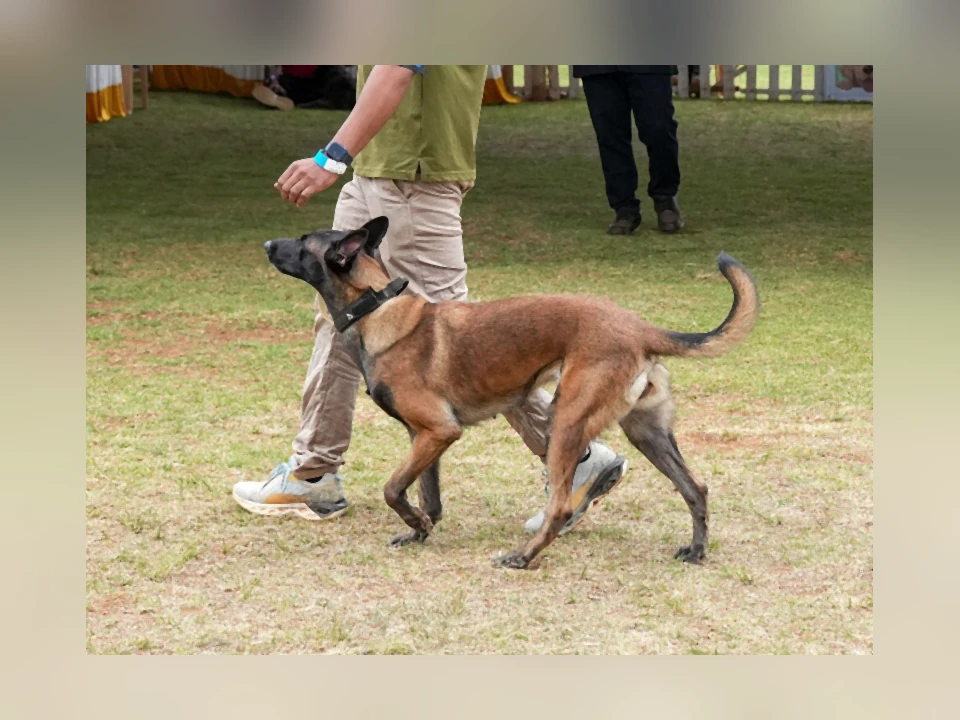
- A few hardy working and herding breeds, like the Belgian Malinois and Australian Cattle Dog, live as long as many toy dogs.
- Giant breeds are absent from the top for a reason: larger dogs age faster and typically live the shortest lives.
Frequently asked questions
Which dog breeds live the longest?
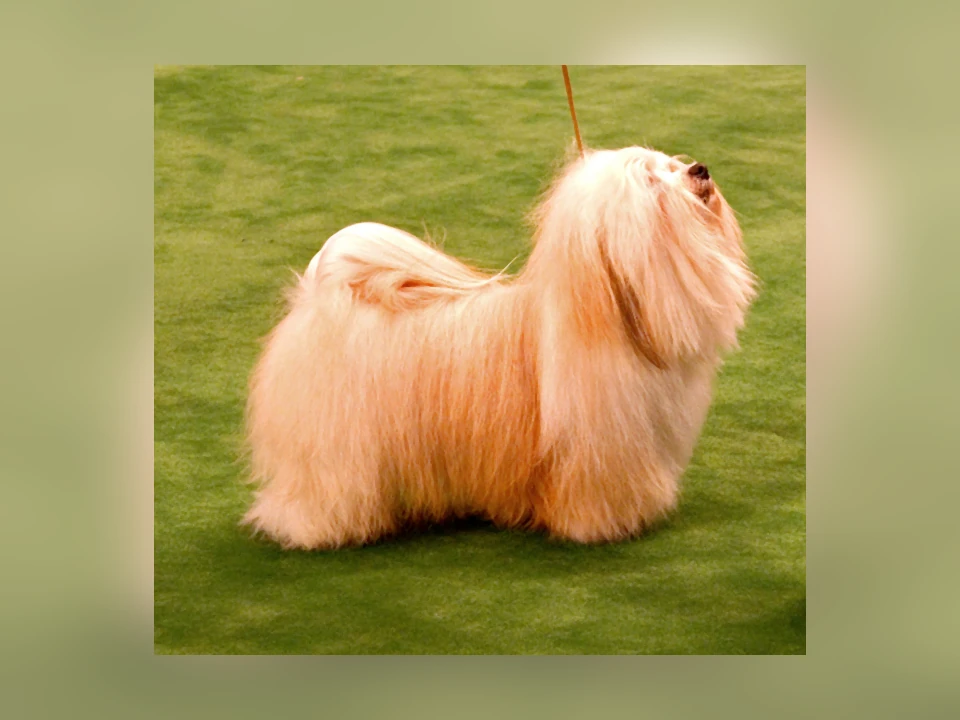
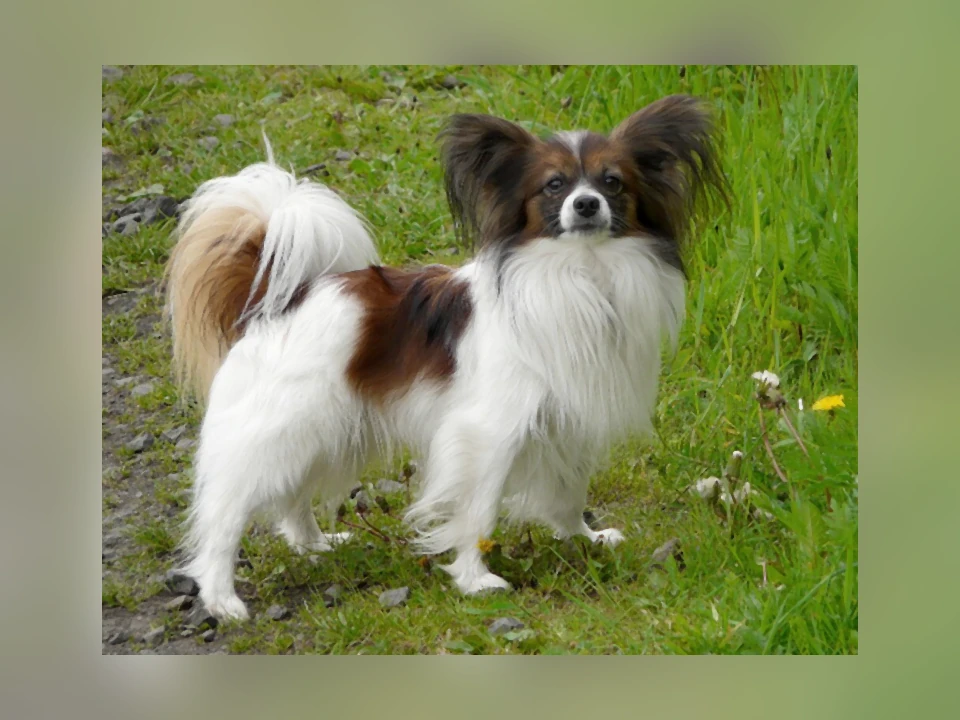
Small and toy breeds live longest as a group. In our dataset, breeds like the Chihuahua, Havanese, Papillon, and Toy varieties consistently top the lifespan list at around 14–16 years, with some individuals living well past that. A handful of tough working breeds — notably the Belgian Malinois and Australian Cattle Dog — match them, but giant breeds live the shortest lives.
Why do small dogs live longer than big dogs?
It's one of the most striking patterns in canine biology: within dogs, larger breeds age faster and die younger. The leading explanation is that big dogs grow up quickly and that accelerated growth and metabolism shortens their lifespan, raising the rate of age-related disease earlier. A Great Dane is considered senior around 6–7, while a Chihuahua may not be senior until 10 or 11.
Can I make my dog live longer?
You can meaningfully shift the odds. The single best-proven lever is keeping your dog lean — a landmark lifetime study found dogs kept at a healthy weight lived significantly longer than overweight littermates. Add routine veterinary care, dental hygiene, appropriate exercise, and prompt attention to changes, and you give any breed its best shot at the top of its range.
Related reading
More rankings
Low-noise pet care
Get PetGrit care check-ins worth opening
New report workflows, calm checklists, and practical pet-care updates for dog and cat parents. No spam, no fear-selling. Unsubscribe anytime.
Prefer a personalized brief? Prepare a visit brief.