Best Guard Dog Breeds, by Role
A good guard dog isn't the most aggressive one — it's the stable, well-trained one. Here are the guardian breeds by role, and the serious commitment each demands.
How we built it
We group the widely recognized guardian breeds by their traditional protective role and link each to its full PetGrit profile. Order reflects role grouping, not strength — this is deliberately not a 'most dangerous dog' list.
The best guard dog is not the most aggressive one — it's the most stable, confident, and well-trained one, a dog that can tell a real threat from the mail carrier. This list groups the recognized guardian breeds by what they were actually bred to do, not by some imaginary measure of fighting ability: personal and family protection, livestock guarding, and watchful deterrence. Every breed here is large and powerful, needs heavy early socialization and reward-based training, and is wrong for first-time owners. Raised well, a guardian is calm and discerning; raised badly, it's a liability. Choose health-screened lines and commit to training from day one.
Visit preparation
Bring your questions to the next visit
Add your own observations and questions in the visit tool. Rankings are not copied into the brief or used as a clinical assessment.
- 1 Personal & family protection
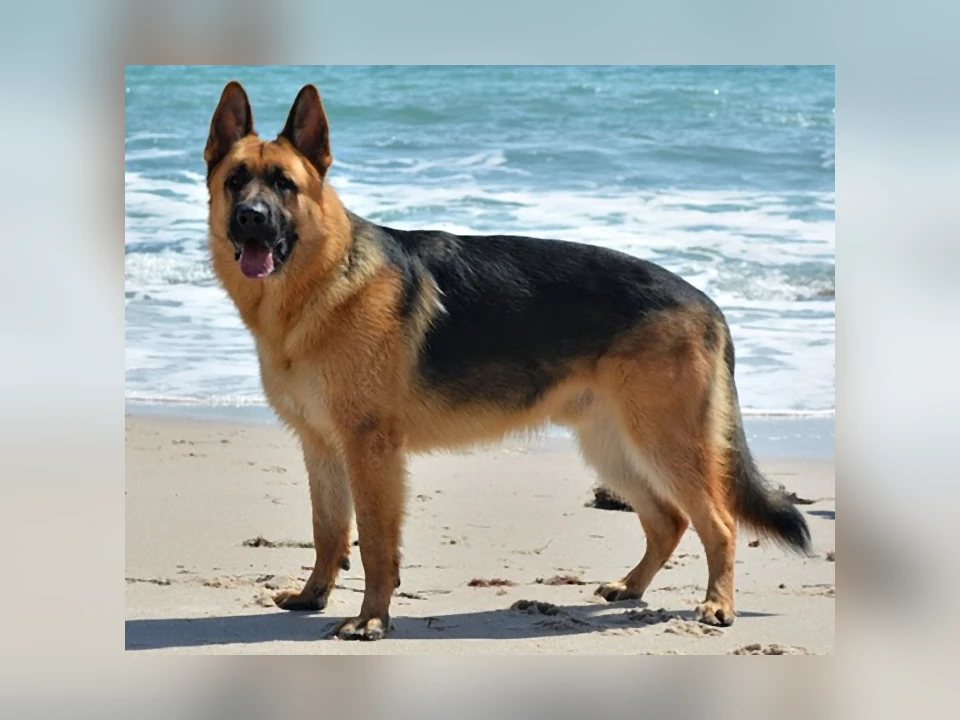
German Shepherd
Herding group · Large
The classic all-round protector — intelligent, trainable, and devoted. Needs a job, exercise, and consistent training to be its stable best.
View profile - 2
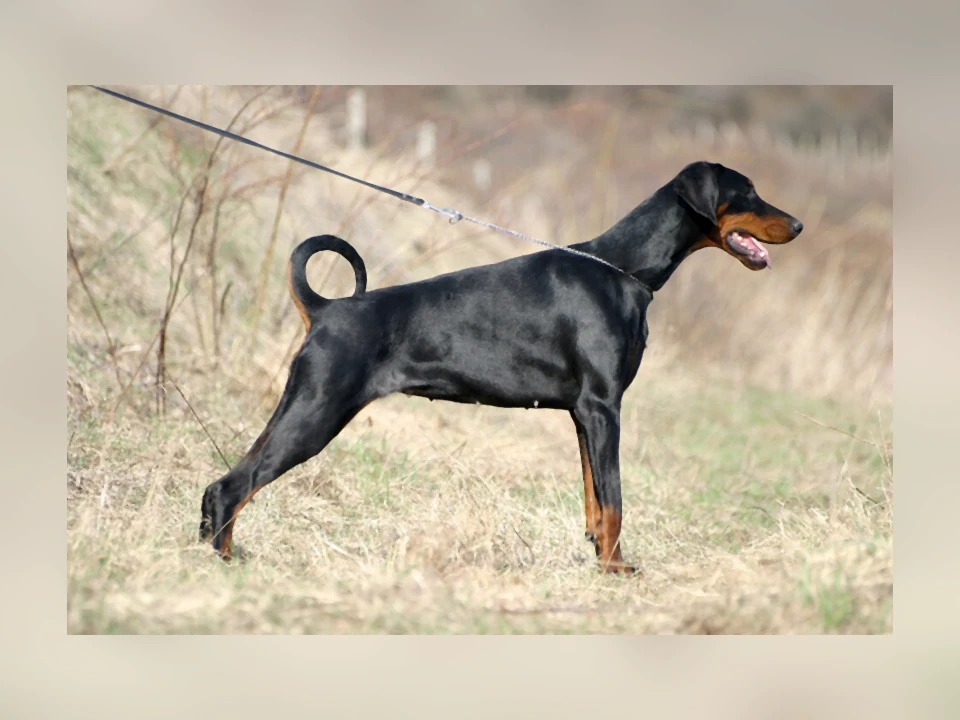 Personal & family protection
Doberman Pinscher
Working group · Large
Alert, fast, and intensely bonded to family; highly trainable but needs an active, engaged owner and early socialization.
View profile - 3
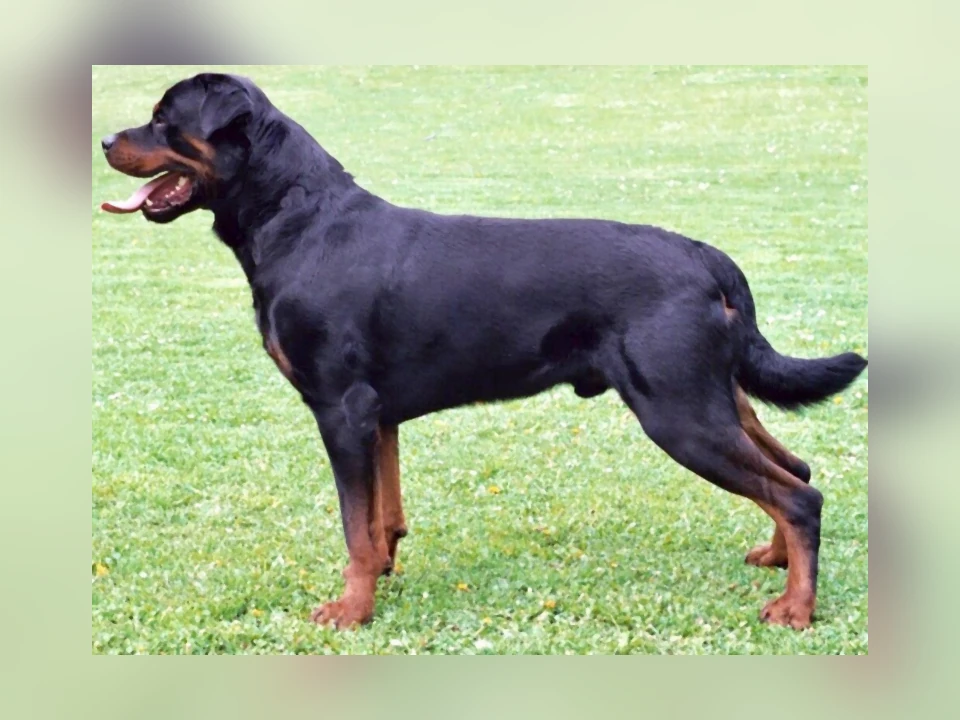 Personal & family protection
Rottweiler
Working group · Large
Confident, powerful, and loyal — a calm, discerning guardian in experienced hands that socialize and train consistently.
View profile - 4
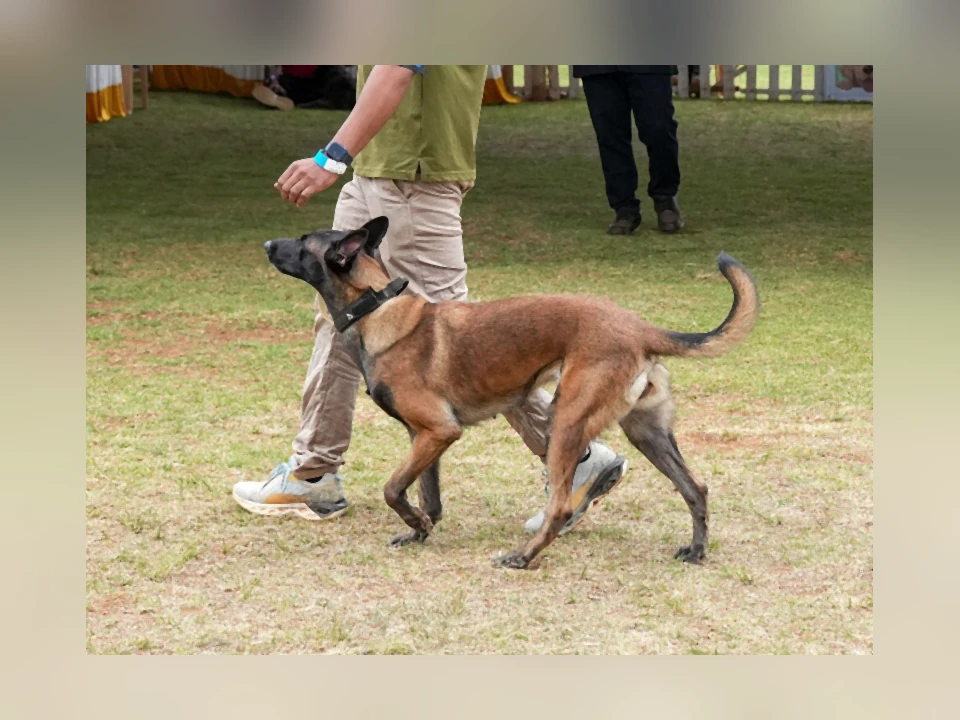 Elite working protection
Belgian Malinois
Herding group · Large
The police and military working breed; an extraordinary protector with intense drive that overwhelms all but expert handlers. Not a pet for most homes.
View profile - 5
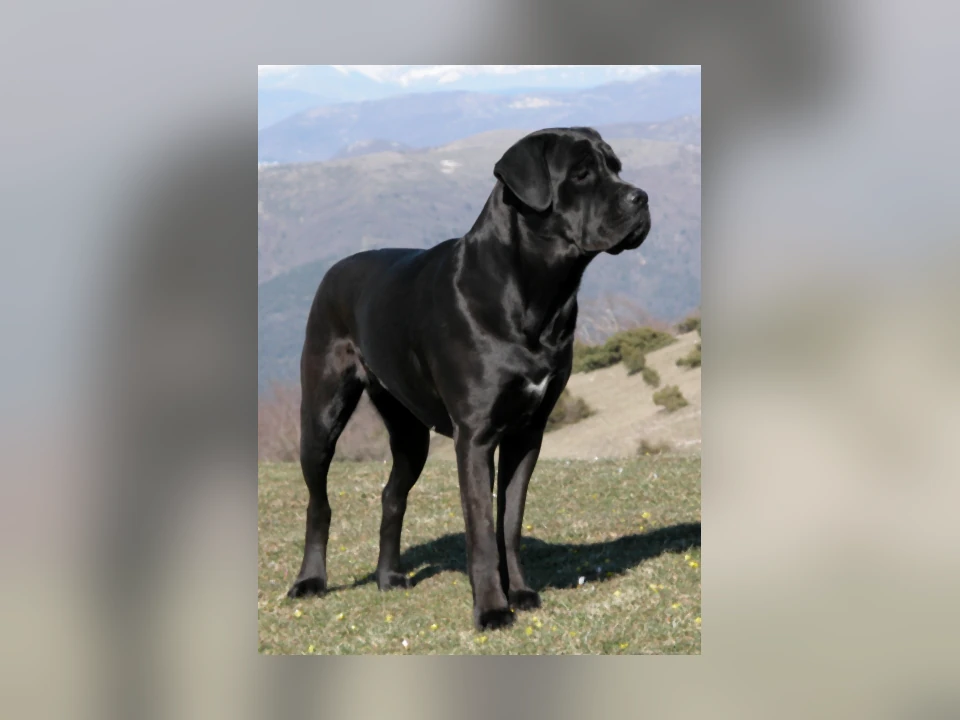 Personal protection (mastiff)
Cane Corso
Working group · Large
A powerful Italian mastiff guardian — devoted but strong-willed and territorial; strictly for experienced owners who socialize early.
View profile - 6
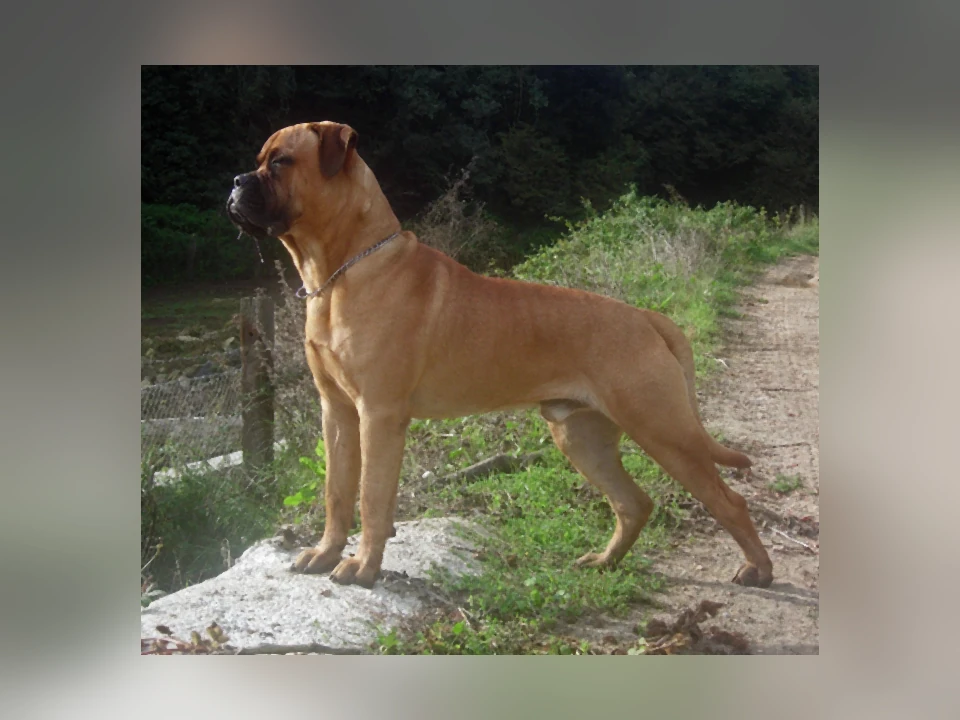 Family guardian (mastiff)
Bullmastiff
Working group · Large
Calm, imposing, and naturally protective with lower exercise needs; bred to corner intruders, not maul. Mind the heat and short lifespan.
View profile - 7
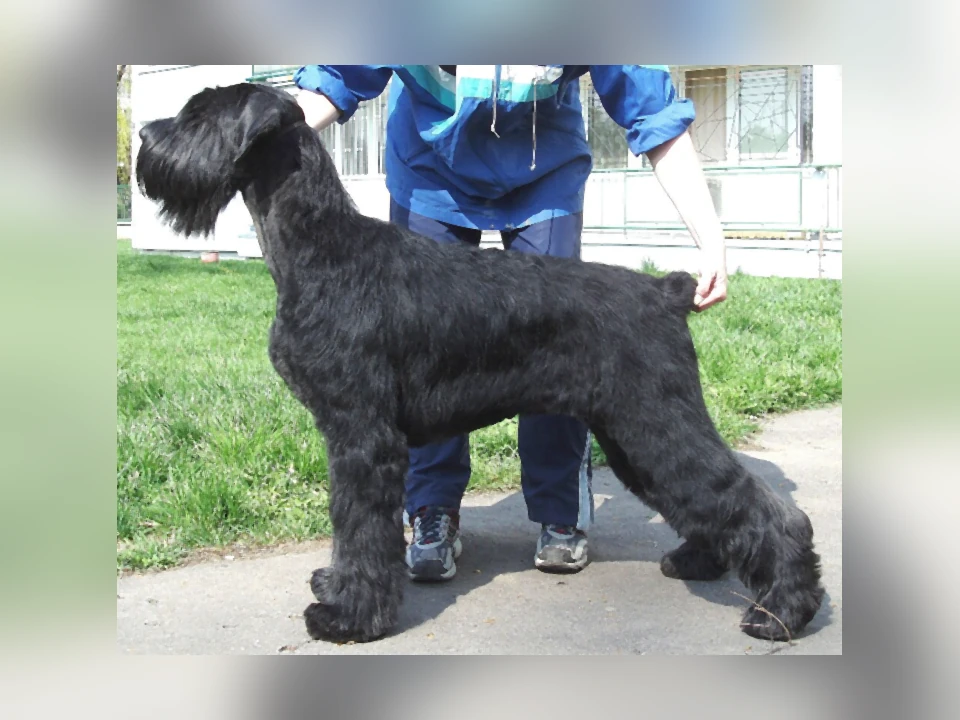 Personal & property protection
Giant Schnauzer
Working group · Large
A bold, high-energy working guardian that needs serious daily exercise and training; territorial and devoted to its family.
View profile - 8
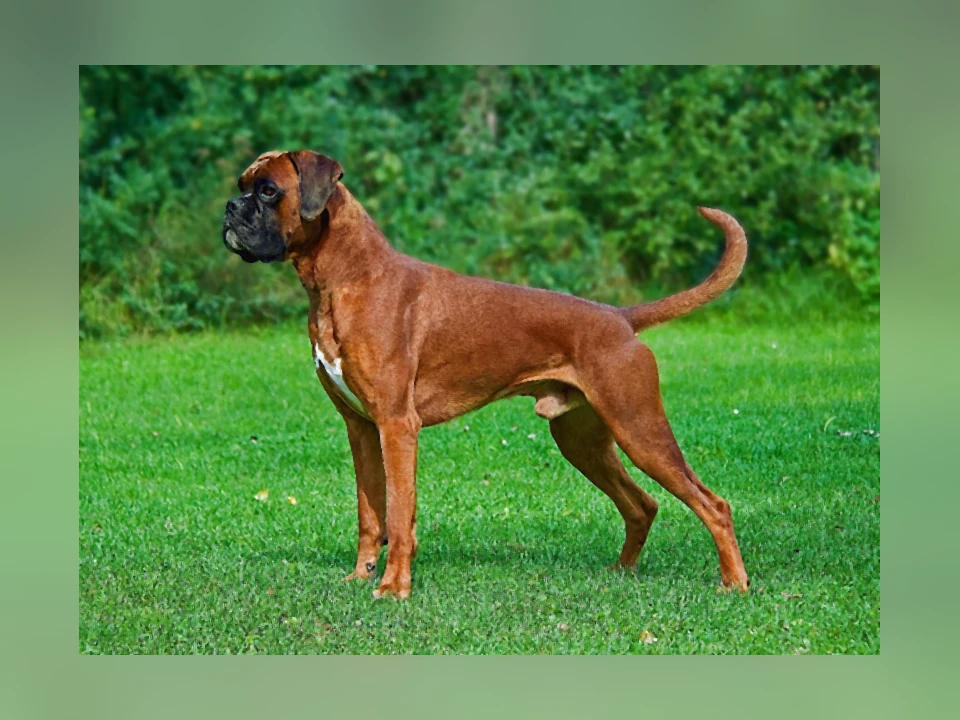 Family watchdog & deterrent
Boxer
Working group · Large
A playful, people-loving family dog that's also a natural, courageous watchdog — far gentler than the guardians above, with a flat-faced heat caveat.
View profile - 9
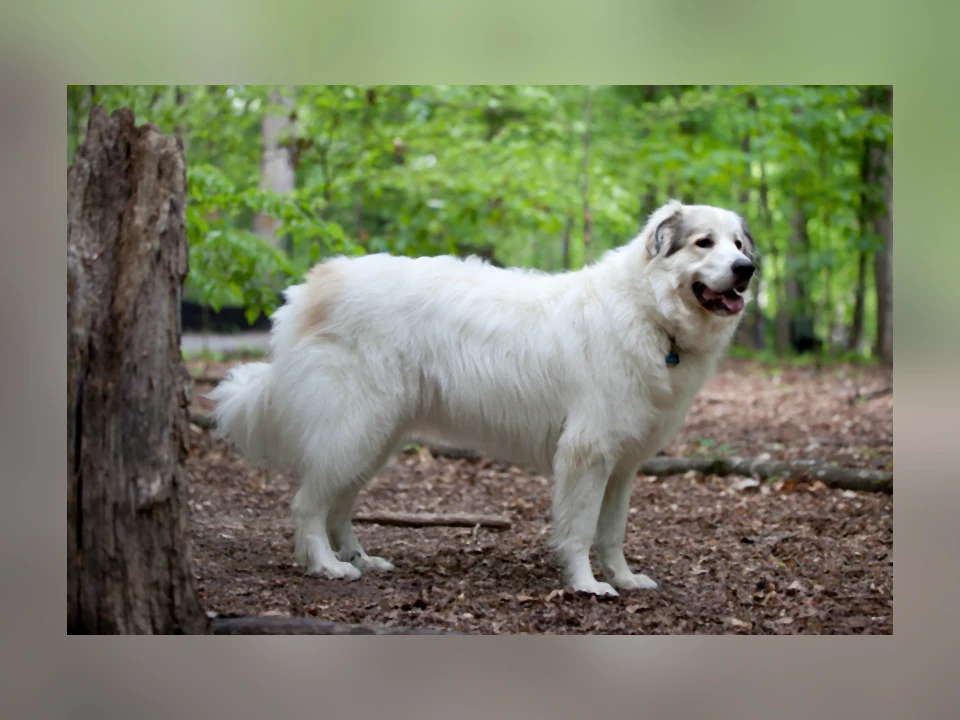 Livestock guardian (LGD)
Great Pyrenees
Working group · Giant
A gentle, independent livestock guardian bred to live with and protect flocks; calm and devoted, but a nighttime barker that thinks for itself.
View profile - 10
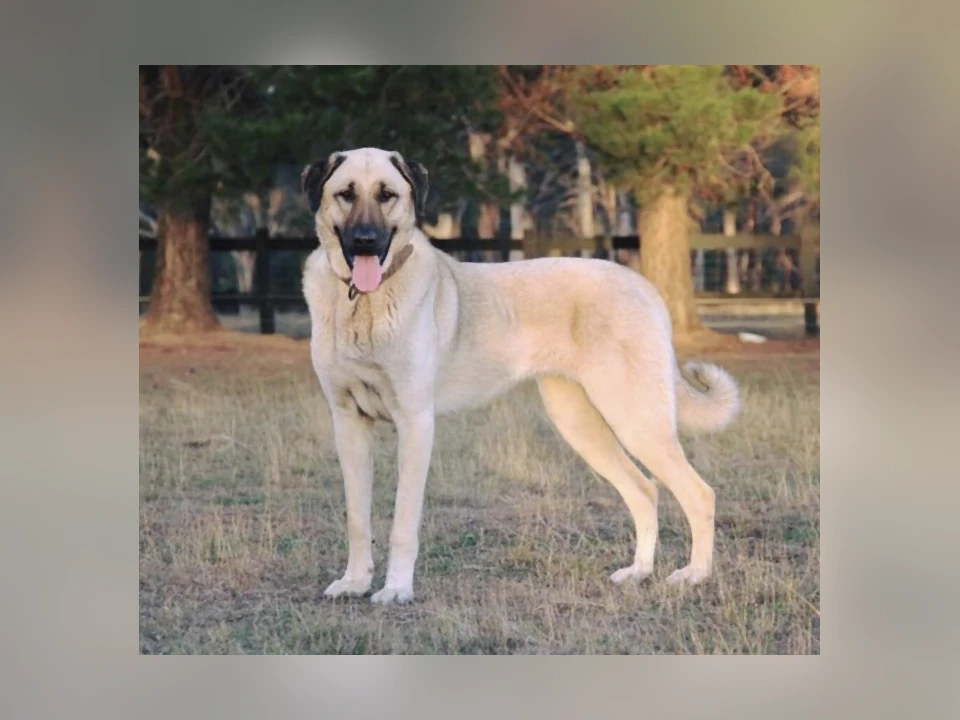 Livestock guardian (LGD)
Anatolian Shepherd
Working Group · Giant
A powerful, independent flock guardian with deep protective instinct; needs space, a job, and an owner who respects its working-dog autonomy.
View profile - 11
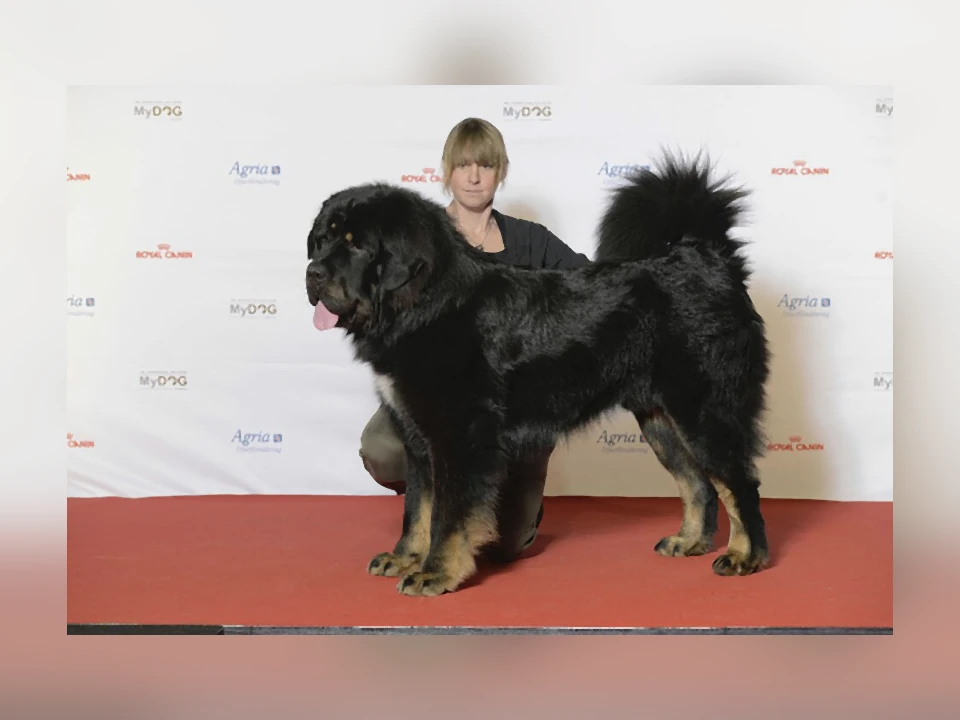 Property & livestock guardian
Tibetan Mastiff
Working Group · Giant
An aloof, territorial guardian bred to protect herds and homes in the Himalayas; strong-willed, nocturnal, and not for novices.
View profile - 12
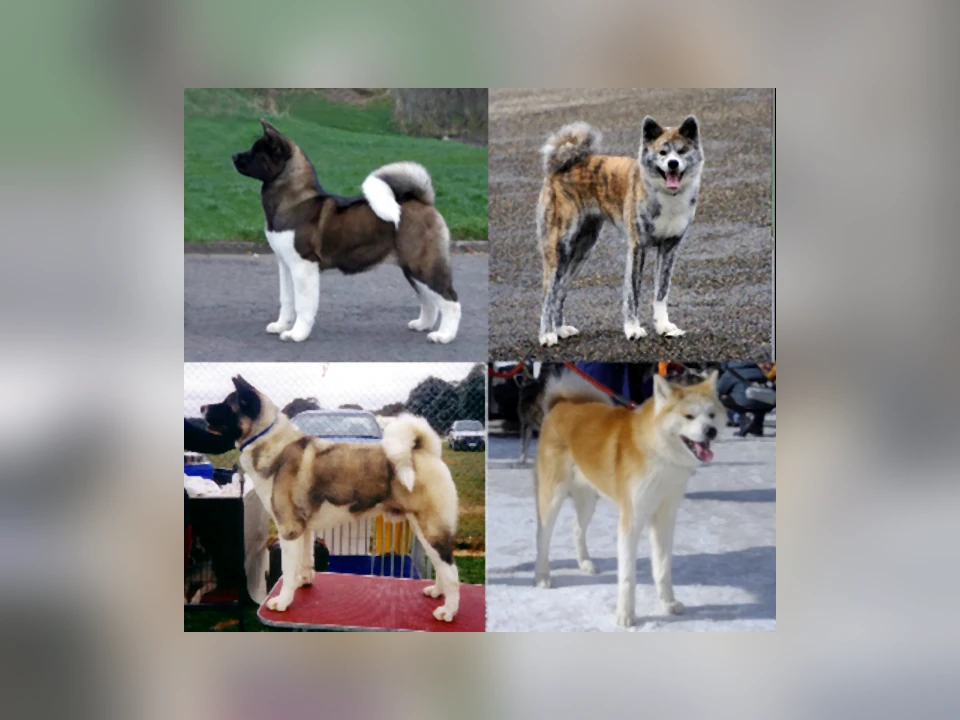 Aloof watchdog (experts only)
Akita
Working group · Large
Dignified and fiercely loyal, but often dog-aggressive and aloof with strangers — a guardian for seasoned owners who socialize relentlessly.
View profile - 13
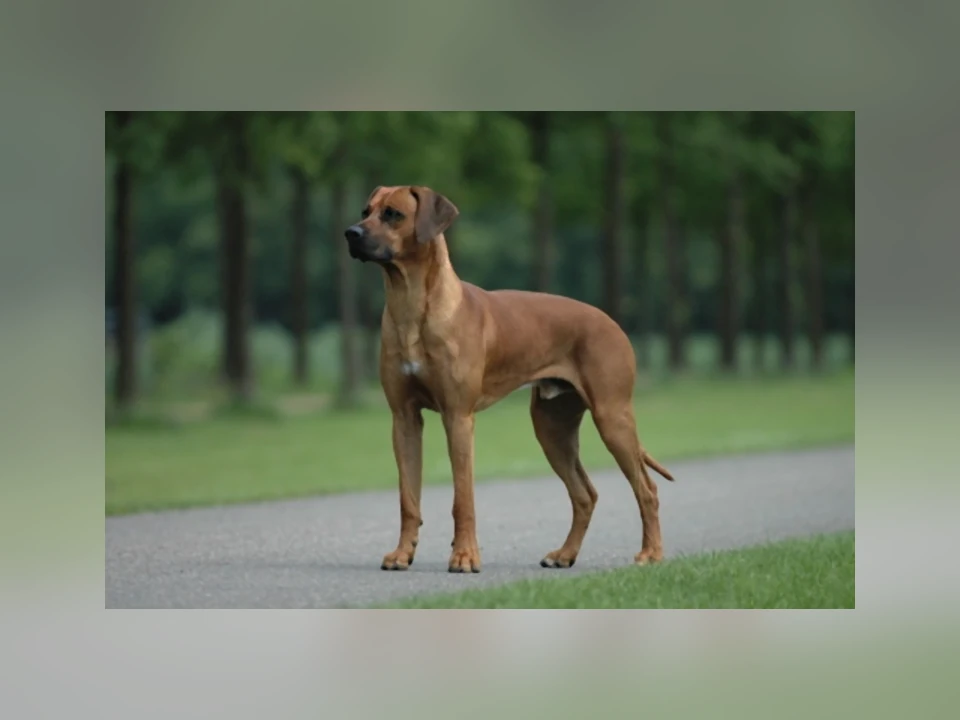 Watchful guardian-hound
Rhodesian Ridgeback
Hound group · Large
Bred to guard the homestead and hunt; independent, reserved with strangers, and a quiet, watchful deterrent that needs firm, fair training.
View profile - 14
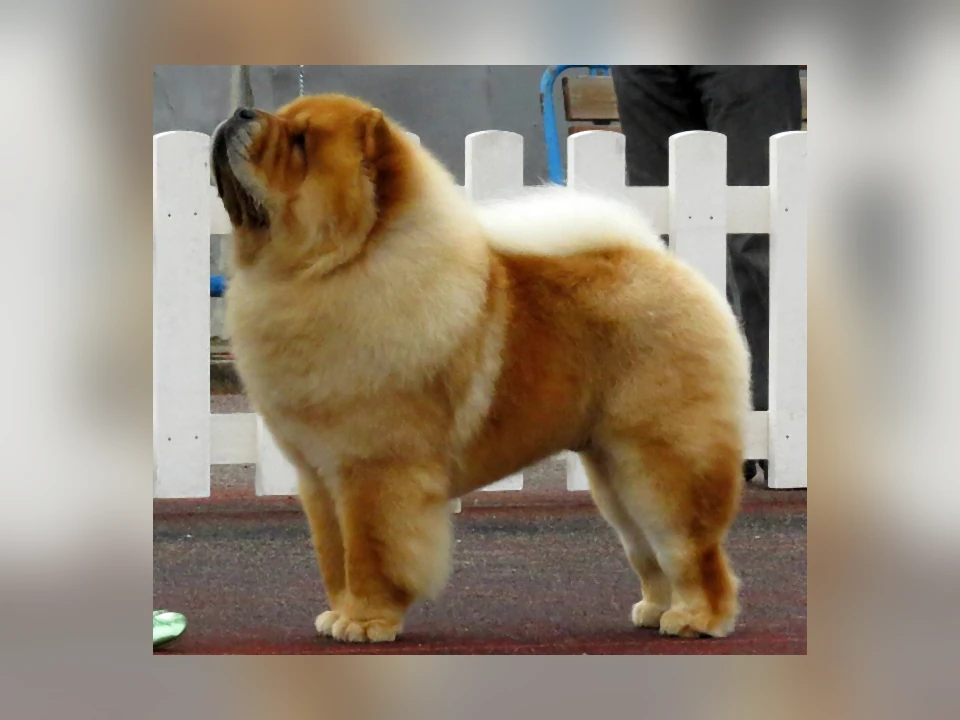 Aloof territorial watchdog
Chow Chow
Non-Sporting group · Medium
Cat-like, dignified, and deeply territorial; a natural watchdog that bonds to a few people and needs early socialization to stay sound.
View profile - 15
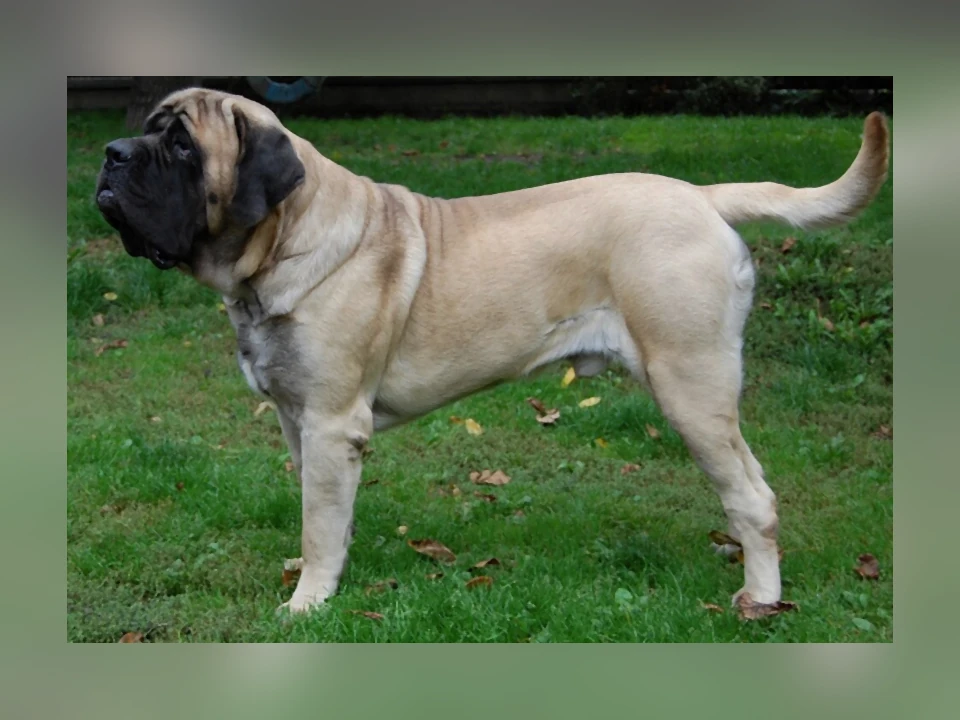 Imposing deterrent (gentle giant)
Mastiff
Working group · Giant
Enormous and naturally protective, yet typically gentle and calm — its sheer size and presence deter most threats without aggression.
View profile - 16
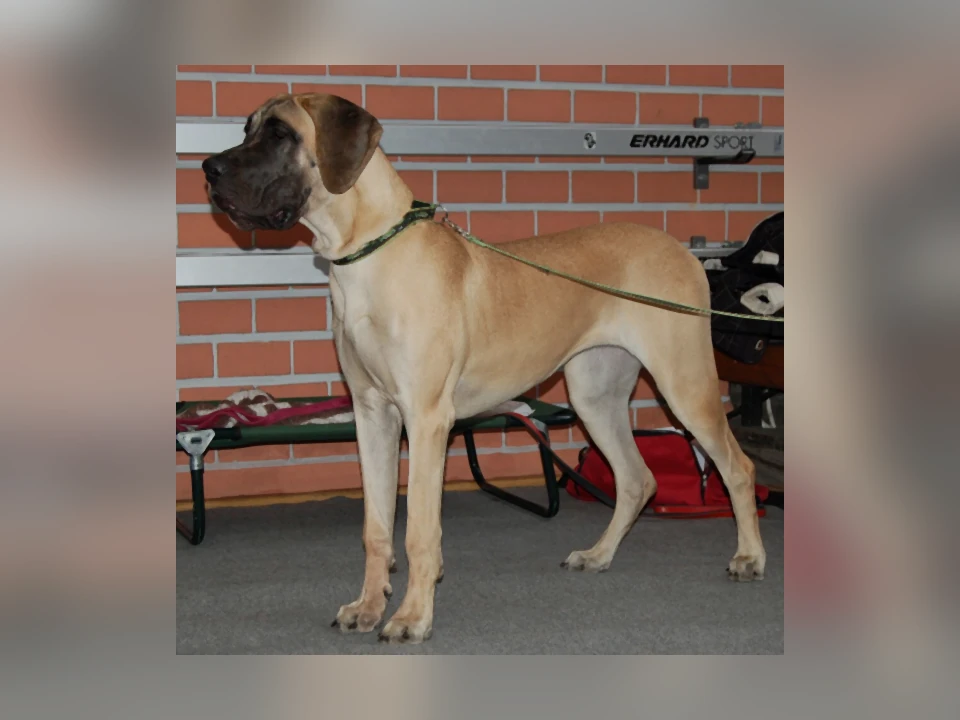 Imposing deterrent (gentle giant)
Great Dane
Working group · Giant
A towering, devoted gentle giant whose size alone is a deterrent; more friendly watchdog than attack dog, with a short lifespan to accept.
View profile
Sources & method
AKC breed groups & traditional guarding roles — Working & Herding groups plus livestock-guardian and watchdog traditions . A classification by historic guarding purpose — not a ranking of aggression, 'bite force', or fighting ability
- American Kennel Club (AKC) — Working & Herding group breed standards — Breed history and traditional guarding purpose for each entry.
- Livestock-guardian and working-dog traditions — Context for the flock-guardian and watchdog roles; this is a role classification, not a strength ranking.
The short version
- The best guard dog is a well-socialized, well-trained one — the breed matters far less than the training and the owner's experience.
- Guardian breeds split into roles: personal/family protection (German Shepherd, Doberman, Rottweiler, Malinois), livestock guardians (Great Pyrenees, Anatolian Shepherd), and imposing deterrents (Mastiff, Great Dane).
- Deterrence and an alert bark protect most homes more safely than bite-trained aggression; nearly all of these are powerful breeds that are wrong for first-time owners.
Frequently asked questions
What is the best guard dog breed?
German Shepherds, Rottweilers, and Doberman Pinschers are the most popular all-round guardians because they pair protectiveness with trainability and a strong bond to family. But the honest answer is that the 'best' guard dog is a well-bred, well-socialized, well-trained one — the breed matters far less than the training, socialization, and experience of the owner. A poorly raised dog of any of these breeds is a liability, not a protector.
Do guard dogs make good family pets?
Many can, when properly raised — Rottweilers, German Shepherds, and Boxers are often devoted, gentle family dogs. But these are powerful breeds that require experienced handling, early and ongoing socialization, and consistent training, and they should always be supervised around children and visitors. Livestock guardians like the Great Pyrenees are wonderful but independent and bred to work, not to be typical pets. Match the breed honestly to your experience and lifestyle.
Do I need an attack-trained dog for protection?
No — and for most people it's the wrong choice. A stable, well-socialized dog that looks imposing and barks an alert deters the vast majority of intruders, which is what most households actually need. Bite or 'attack' training requires professional handling, dramatically increases your legal liability, and is unnecessary and risky for a family pet. An under-socialized dog kept solely to be aggressive is dangerous to everyone, including your own household. Pair a friendly, alert dog with a good alarm system instead.
Related reading
More rankings
Low-noise pet care
Get PetGrit care check-ins worth opening
New report workflows, calm checklists, and practical pet-care updates for dog and cat parents. No spam, no fear-selling. Unsubscribe anytime.
Prefer a personalized brief? Prepare a visit brief.